





Choose Destinations With Care
The first step in building a resilient monsoon itinerary is selecting the right destination. Not all places handle the downpour equally. Regions prone to severe flooding or landslides should be approached with caution. Instead, opt for destinations celebrated
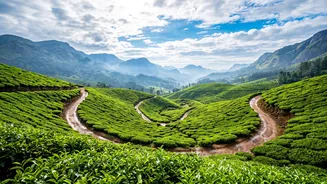
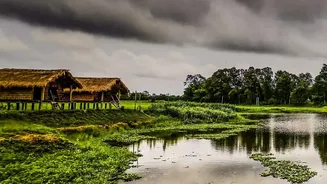
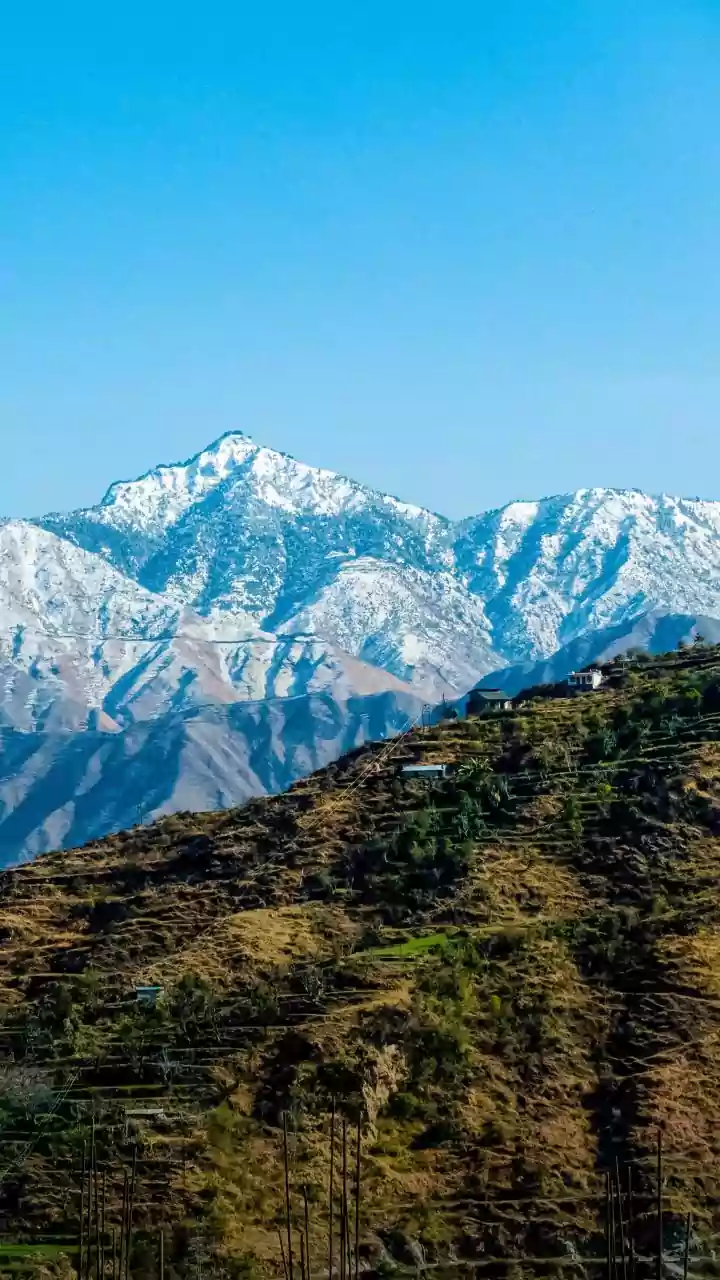
for their monsoon beauty, like the Western Ghats, parts of Kerala, Rajasthan, or specific hill stations in the north. Places such as Coorg, Munnar, Udaipur, and Shillong come alive with lush greenery and dramatic, misty landscapes during the rains. However, always check local advisories and recent weather patterns before finalising your choice, as conditions can change rapidly. Some rain-shadow regions, like Spiti Valley, receive less rainfall, making them accessible when other Himalayan areas might be risky.
Embrace a Flexible Mindset
The most crucial element of a monsoon trip is your attitude. A fixed, minute-by-minute schedule is a recipe for frustration. Rain will cause delays. A road might be temporarily blocked, a sightseeing spot might be fogged in, or a train might run late. The key is to see these moments not as interruptions but as part of the adventure. Build buffer days into your schedule. These extra days act as a safety net, absorbing delays without derailing your entire trip. A cancelled morning trek can become a lazy afternoon exploring a local cafe, visiting a museum, or even taking a cooking class.
Pack for Every Possibility
Smart packing is your best defense against the damp. Prioritise lightweight, synthetic, quick-dry clothing that won't stay soggy for days. A reliable, lightweight rain jacket or poncho is more practical than an umbrella, which can be useless in windy conditions. Your footwear should have a good grip and be waterproof or water-resistant. Protect your electronics and important documents using waterproof bags, dry bags, or even simple ziplock pouches. It's also wise to pack an emergency kit with basic medicines, insect repellent, and a small flashlight, as power cuts can be more frequent. Adding a few silica gel packs to your luggage can help combat the pervasive humidity.
Rethink Your Transportation
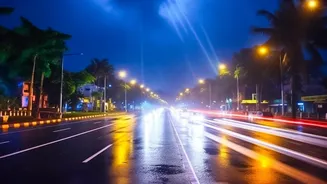
Monsoon can heavily impact travel logistics. When booking flights, consider opting for direct routes to minimise the risk of missing connections due to weather delays. Travel insurance that covers weather-related disruptions can also provide peace of mind. For road trips, check your vehicle's tyres, brakes, and wipers before you start. Drive slowly, maintain a safe distance from other vehicles, and avoid driving at night when visibility is at its worst. In hilly areas, be extra cautious of slippery roads and potential falling rocks. If you're booking cabs, do it in advance, as demand surges and availability plummets once the rain begins.
Have a Plan B (and C)
For every outdoor activity on your list, have an indoor alternative ready. Researching museums, art galleries, local markets with covered sections, or charming cafes before your trip ensures that a rainy day doesn't become a wasted day. Keep your bookings for flights and hotels as flexible as possible. Many providers offer options with free cancellation or rescheduling for a small premium, which is a worthwhile investment during the unpredictable monsoon season. Using weather apps to check real-time forecasts can help you plan your day, deciding when to head out and when to stay in and enjoy the downpour from your window with a hot cup of chai.