





Why Your Home Needs a Green Lung
In our bustling cities, the air inside our homes can often be more polluted than the air outside. Pollutants from furniture, paints, cleaning products, and cooking fumes can accumulate, leading to a phenomenon known as 'sick building syndrome'. While
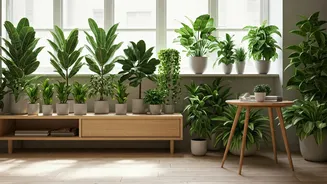
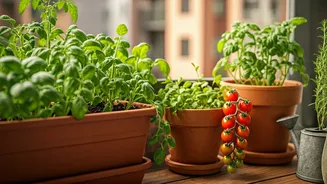
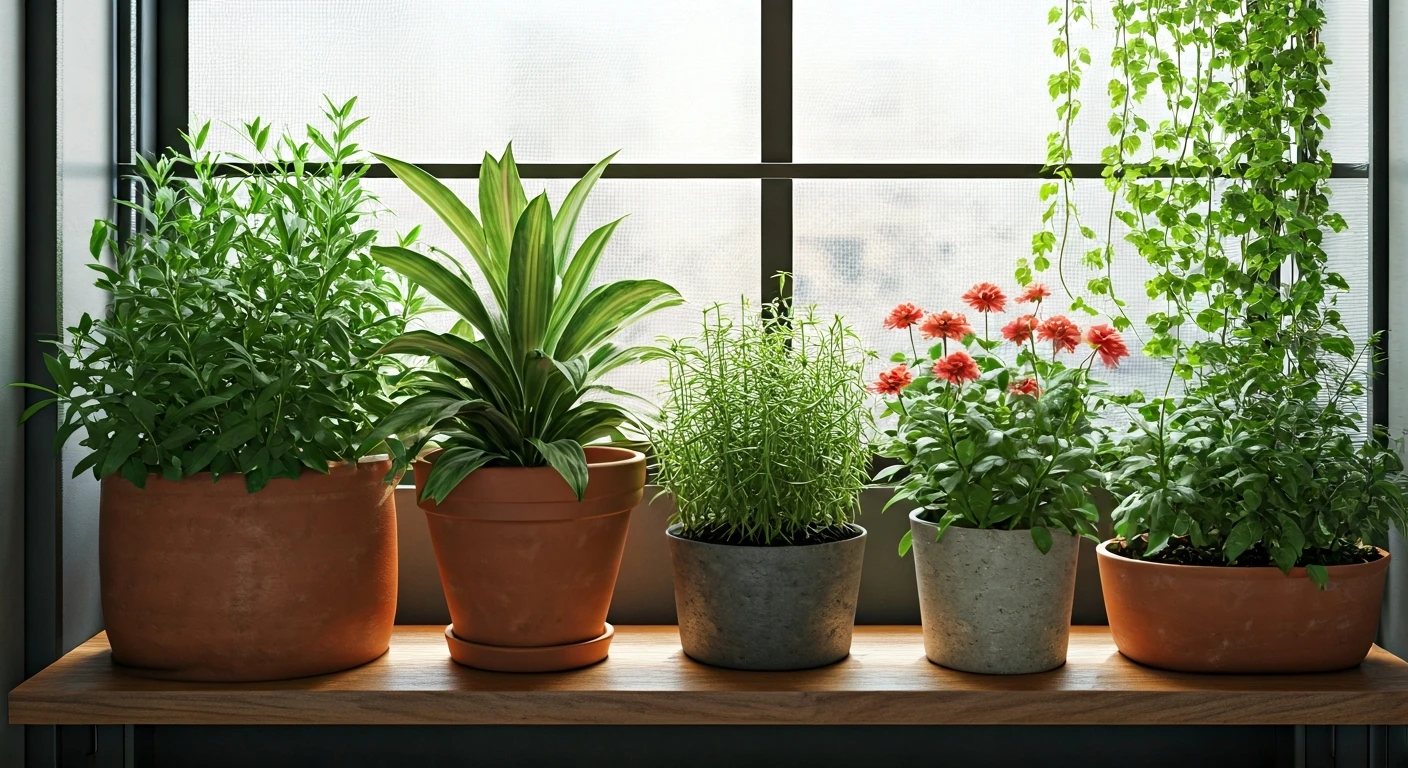
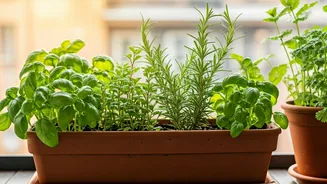
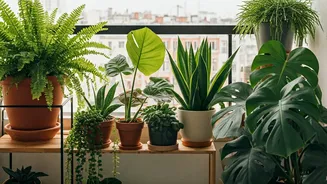
air purifiers are an option, nature offers a more beautiful and sustainable solution. Indoor plants act as living air filters. They absorb carbon dioxide and release oxygen through photosynthesis, but their benefits don't stop there. Many plants can also absorb volatile organic compounds (VOCs) like formaldehyde and benzene, common pollutants found in modern homes. Beyond the science, filling your home with greenery has proven psychological benefits, reducing stress and boosting mood. It’s a simple way to create a sanctuary of calm in a chaotic world.
The Wisdom of Choosing Indigenous
While exotic plants can be tempting, there's a strong case for choosing indigenous or locally adapted varieties. These plants have evolved to thrive in our specific climate conditions, meaning they are generally more resilient, require less maintenance, and are more resistant to local pests and diseases. You won't have to battle to keep them alive with special soils or complicated watering schedules. By choosing plants like Tulsi or Areca Palm, you are also preserving local biodiversity. Furthermore, these plants are often deeply woven into our culture and traditions, bringing a sense of heritage and connection into our living spaces.
Top Plants to Swap and Grow
At a swapping event, you're looking for plants that grow easily from cuttings (stems). Here are a few excellent, beginner-friendly choices commonly found in Indian households: 1. Money Plant (Pothos): This is the undisputed champion of easy propagation. A single stem with a few leaves can be placed in a bottle of water and will sprout roots within weeks. It's a hardy vine known for its ability to filter formaldehyde and other VOCs. Its heart-shaped leaves add a lush, trailing accent to any room. 2. Tulsi (Holy Basil): Revered for its medicinal and spiritual properties, Tulsi is also a powerhouse of purification. It releases oxygen 20 hours a day and is believed to absorb harmful gases. While often grown from seed, a healthy stem cutting can be rooted in soil with a little care, and many gardeners are happy to share saplings. 3. Spider Plant: Recognisable by its arching leaves and the small 'spiderettes' or plantlets that dangle from the mother plant, this is another incredibly easy plant to propagate. Just snip off one of the plantlets and place it in soil or water. They are excellent at removing formaldehyde and xylene from the air. 4. Betel Leaf Plant (Paan): This culturally significant vine is surprisingly easy to grow at home from a cutting. It prefers warm, humid conditions and indirect light, making it perfect for a kitchen windowsill or a shady balcony. It's a beautiful, fast-growing plant that you can propagate and share endlessly.
Your Guide to Stem Swapping Events
A seed or stem swap is a community event where gardeners and plant lovers gather to exchange seeds, cuttings, and saplings for free. It’s a fantastic way to diversify your plant collection without spending money and to meet like-minded people. You can find these events through: * Social Media: Look for local gardening groups on Facebook or Instagram for your city. Urban gardening communities in Bengaluru, Mumbai, Pune, and Delhi are particularly active. * Neighbourhood Groups: Check your local Resident Welfare Association (RWA) or community WhatsApp groups. Often, informal swaps are organised among neighbours. * Nurseries & Workshops: Some local nurseries or environmental organisations host official swapping events. The etiquette is simple: bring something to share if you can (even a few cuttings from a healthy money plant are welcome!), be curious, ask questions, and only take what you can care for. It's about community, not just collection.
From Stem to Plant: A Quick Start
You've returned from a swap with a few precious stems. Now what? It's simple! 1. Prepare the Cutting: Take your stem and trim it so you have at least 2-3 leaves at the top and a few 'nodes' (the bumps where leaves grow from) on the lower part of the stem. Remove any leaves from the bottom half. 2. Choose Your Method: * Water Propagation: For plants like Money Plant and Spider Plant, simply place the bottom half of the stem in a jar of clean water, ensuring the leaves stay dry. Place it in a spot with indirect sunlight. Change the water every few days. * Soil Propagation: For plants like Tulsi, dip the cut end in rooting hormone (optional) and plant it in a small pot with moist cocopeat or potting mix. Cover with a plastic bag to retain humidity until you see new growth. 3. Be Patient: Roots can take anywhere from one to four weeks to appear. Once your water-propagated cutting has roots that are an inch or two long, you can transfer it to a pot with soil.