


The Reality of Monsoon Travel
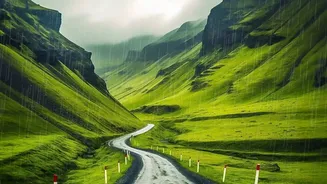
While Spiti itself is in a rain-shadow zone and receives less rainfall, the approach roads that wind through Himachal Pradesh are not. Recent weeks have seen the monsoon cause significant disruption across the state, with the government urging caution.
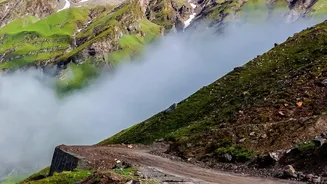
As of early August 2026, heavy rains have triggered landslides, blocking over 160 roads, with Mandi and Kullu districts being particularly affected. The state government has appealed to tourists and residents alike to avoid unnecessary travel and to strictly follow weather advisories from the India Meteorological Department (IMD). An orange alert for heavy rainfall has been issued for several districts from August 10 onwards, warning of potential flash floods and landslides.
Clarifying the 'New Rules'
Contrary to some speculation, there are no new, sweeping 'permits' required for Indian citizens to enter Spiti Valley as of August 2026. The primary confusion often arises from various regulations that apply to different travellers and routes. For Indian nationals, a valid government photo ID is sufficient for registration at checkpoints like Sumdo or Jangi. The major change is not a new document, but a stricter enforcement of safety advisories and a strong official recommendation to travel with caution. The Lahaul-Spiti district administration has not issued new entry permits but strongly advises checking road status daily and respecting any temporary closures. Foreign nationals, however, still require a Protected Area Permit (PAP) for certain areas due to border proximity.
Choosing Your Route Wisely
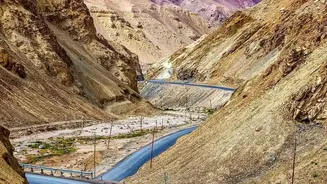
There are two main arteries into Spiti: from Shimla via Kinnaur, and from Manali via the Atal Tunnel and Kunzum Pass. During the monsoon, the Shimla-Kaza highway is generally considered the safer, more reliable option, though it is not without its own risks like the landslide-prone stretches near Malling Nallah and Negulsari. This route allows for gradual acclimatisation to the high altitude. The Manali-Kaza road, while open, presents greater challenges. The Gramphu to Batal stretch is notoriously rough, with water crossings that can swell dangerously after noon. While 4x4 vehicles were advised when the pass first opened in May, the road is now used by more vehicles, but conditions remain tough and unpredictable.
Your Monsoon Safety Checklist
Responsible travel in the Himalayas during monsoon is about preparation and flexibility. Before you even start your engine, check the latest weather alerts from the IMD and traffic advisories from the Himachal Pradesh police social media pages. Build buffer days into your itinerary; a two-day delay due to a landslide is a real possibility and should not derail your entire trip. Always travel during daylight hours and aim to cross water crossings before 10 a.m. when water levels are typically lower. Pack for all eventualities: waterproof gear, warm layers, extra food and water, a first-aid kit, and power banks. Inform a friend or family member of your daily itinerary. Do not blindly follow Google Maps; trust local advice from drivers and guesthouse owners who have real-time, ground-level information.