



The Problem with Diesel
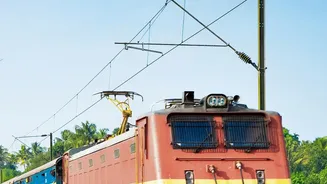
For decades, the chug of a diesel engine has been synonymous with the charm of toy trains on routes like the Kalka-Shimla and Darjeeling Himalayan Railway. But this nostalgia comes at an environmental cost. Diesel engines release smoke, particulate matter,
and nitrogen oxides, which not only pollute the air in these ecologically sensitive regions but also deposit a layer of soot on historic station buildings and bridges. The noise and vibrations disturb local wildlife, while the risk of fuel spills poses a constant threat to the pristine environment these tracks were built to showcase. Furthermore, installing conventional electric lines with overhead cables is often impractical and would permanently mar the natural beauty of these UNESCO-recognized landscapes.
A Clean-Tech Solution: Hydrogen for Heritage
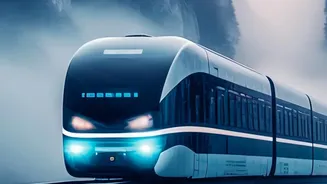
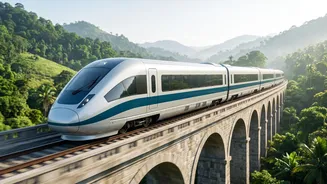
To address these challenges, Indian Railways launched the 'Hydrogen for Heritage' project. The ambitious plan involves deploying 35 specially designed hydrogen-powered trains across eight of the country's most cherished narrow and meter-gauge routes. These include the Matheran Hill Railway, Nilgiri Mountain Railway, Kangra Valley, and Patalpani-Kalakund, among others. The initiative is a key part of India's larger goal to achieve Net Zero carbon emissions by 2070 and decarbonize its railway network by 2030. By replacing diesel on these iconic lines, the project aims to preserve their heritage character while transforming them into symbols of green transportation.
How Hydrogen Trains Work
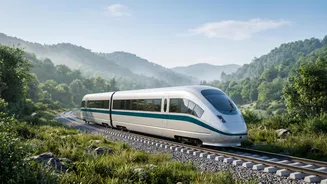
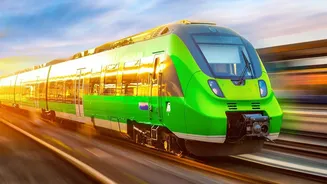
So, how does a train run on hydrogen? It's not by burning the gas like in a conventional engine. Instead, these are essentially electric trains that carry their own power plant onboard in the form of a fuel cell. Inside the fuel cell, hydrogen stored in high-pressure tanks on the train chemically reacts with oxygen drawn from the air. This electrochemical reaction generates electricity to power the train's motors. The only byproducts of this process are heat and pure water vapour, making the trains a zero-emission mode of transport at the point of use. Many designs also include batteries to store excess energy, such as that captured during braking, which can provide a power boost for acceleration or climbing steep gradients.
The Environmental and Experiential Payoff
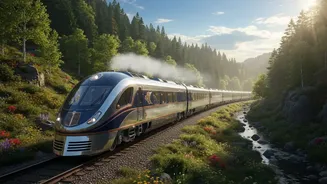
The benefits extend far beyond just eliminating exhaust fumes. Hydrogen trains are significantly quieter than their diesel counterparts, reducing noise pollution for both passengers and the wildlife that inhabits these scenic corridors. With no diesel emissions, the air quality along the routes will dramatically improve, benefiting the local communities and preserving the delicate flora. Historic structures along the railway lines will no longer be coated in grime. For tourists, the experience becomes more immersive. Imagine gliding silently through the Himalayan foothills or the Western Ghats, with only the click-clack of the wheels on the track, taking in the clean air and unspoiled views without the smell and rumble of a diesel engine. This aligns with a growing global demand for sustainable tourism.
The Road Ahead
The transition isn't without its challenges. The initial cost of hydrogen trains and the necessary ground infrastructure for hydrogen production and refueling is high. However, as a pilot project that began trials on the Jind-Sonipat section proved, the technology is viable. Following the successful launch of India's first hydrogen train service in July 2026, the focus is now on scaling up and reducing costs. The government is promoting domestic manufacturing and incentivizing the production of 'green hydrogen'—hydrogen produced using renewable energy—to ensure the entire lifecycle is environmentally friendly. As technology matures and costs decrease, the silent, clean ride experienced on heritage routes could become the blueprint for rail travel across India.