




The Comfort of Classics
Let's be clear: the classics are not going anywhere. The timeless appeal of deep-fried pakoras, roasted corn on the cob (bhutta), and spicy samosas remains deeply woven into the fabric of monsoon culture. These foods are more than just snacks; they are a ritual,
signifying warmth, comfort, and togetherness on a dreary day. Generations have associated the pitter-patter of rain with these comforting, freshly made treats. The craving for something hot, crunchy, and flavourful when the temperature drops is a feeling that home kitchens and roadside stalls have perfected over decades.
A Shift Towards Health
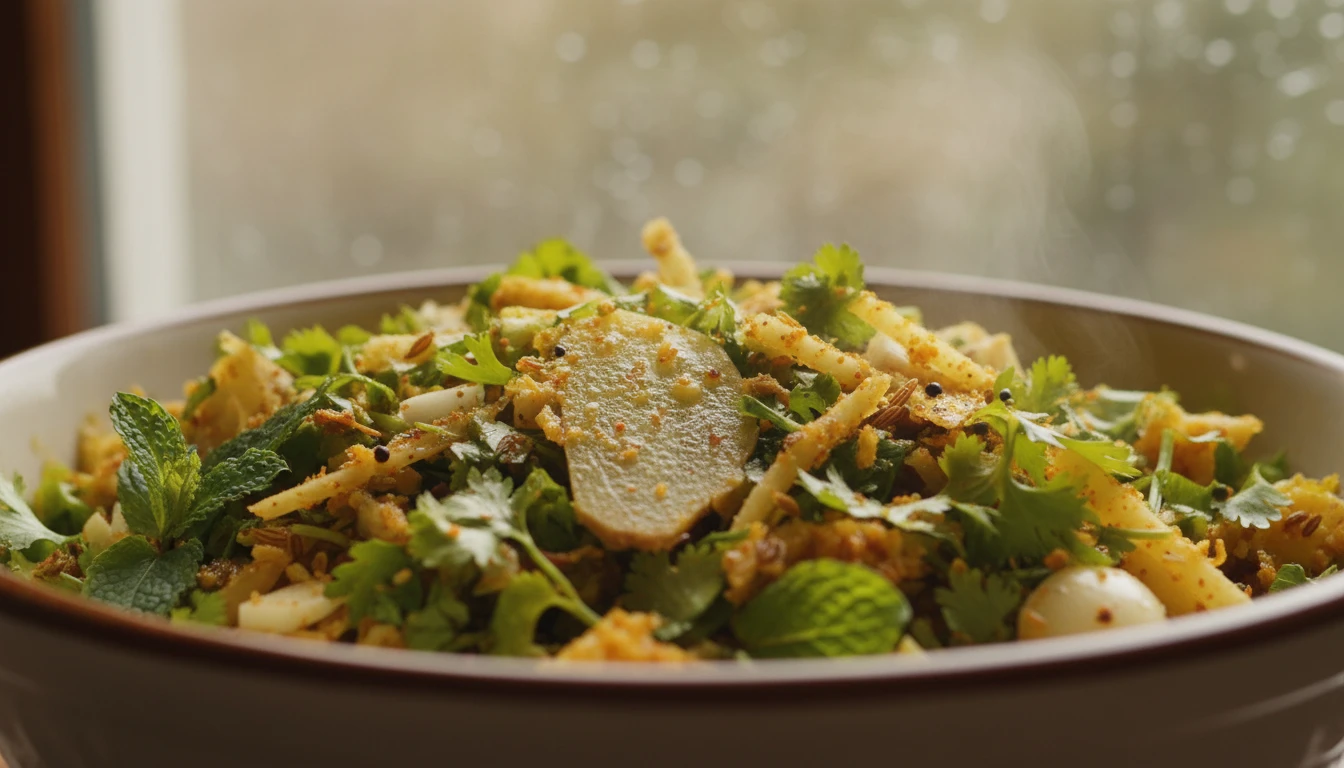
While the love for pakoras is eternal, a significant trend is the move towards healthier preparations. There's a growing awareness that the monsoon, while romantic, is also a time when our digestion slows down and the risk of infection rises. This has led to a conscious shift. Home cooks and cafes are now championing baked, air-fried, or steamed versions of old favourites. Think baked samosas with multigrain wrappers, air-fried pakoras that offer the same crunch with less oil, and steamed snacks like dhokla. The focus is on enjoying the same comforting flavours without the heaviness of deep-fried food, using ingredients that are light on the stomach.
The Gut-Friendly Revolution
Perhaps the most interesting evolution, as hinted by the rise of fermented snacks, is the new focus on gut health. Ayurveda has long taught that digestion is weaker during the monsoon, and modern wellness trends are now catching up. This has sparked a curiosity for fermented foods beyond just curd. Probiotic-rich options like kombucha, kefir, and traditional Indian fermented drinks like kanji are gaining popularity. Snacks like dhokla and idli, made from fermented batter, are being appreciated for their digestive benefits. This trend is rooted in the understanding that a healthy gut is the foundation of a strong immune system, something crucial for navigating the health challenges of the rainy season.
Immunity on the Menu
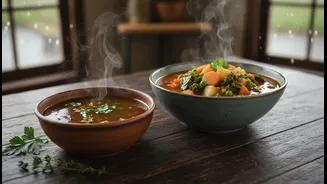
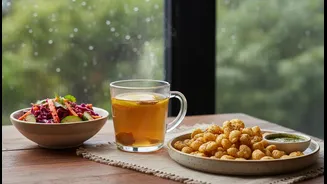
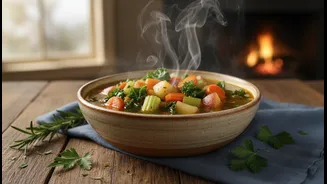
Boosting immunity is a top priority during the monsoon, and this is clearly reflected in today's food choices. The traditional wisdom of using spices like turmeric, ginger, and black pepper for their antimicrobial and anti-inflammatory properties is now more mainstream than ever. Kadhas (herbal decoctions), turmeric milk, and ginger-infused teas are staples. But the trend extends to meals too. Soups are becoming a monsoon mainstay, not just as a light dinner but as a way to pack in nutrients from vegetables and spices. There's also a greater emphasis on eating seasonal fruits rich in Vitamin C, like jamun and cherries, to naturally bolster the body's defences.
Why Our Plates Are Changing
This evolution isn't happening in a vacuum. It's driven by a blend of increased health consciousness, global exposure through social media, and a desire for novelty. We are more aware than ever of what we eat and how it affects our bodies. We see food bloggers creating healthy versions of classic snacks, and we have access to global food trends at our fingertips. The modern Indian consumer wants the comfort of tradition but also the benefits of modern nutritional science. The result is not a replacement of the old, but an expansion of the monsoon menu, creating a delicious balance between the nostalgic and the new.