



What Exactly Is Cat-Cow?
Cat-Cow is not a single pose but a dynamic movement flowing between two different postures: Marjaryasana (Cat Pose) and Bitilasana (Cow Pose). It's typically performed on all fours and serves as a gentle warm-up to awaken the spine and connect your breathing
to your body’s movements. The sequence involves moving from a rounded spine (like a cat arching its back) to an arched spine (like the gentle sway in a cow's back). This fluid motion makes it a cornerstone of many yoga practices, celebrated for its ability to prepare the body for more complex poses while also serving as a simple, restorative stretch on its own.
The Gentle Power of a Simple Flow
The benefits of incorporating Cat-Cow into your routine are numerous. Primarily, it improves the flexibility and mobility of the spine, creating space between the vertebrae and relieving stiffness. This is especially helpful for those who spend long hours sitting at a desk. The movement also provides a gentle stretch for the muscles in the back, neck, hips, and abdomen. By syncing the motion with your breath, Cat-Cow can calm the mind, reduce stress, and improve body awareness. Furthermore, the gentle compression and release in the abdomen can stimulate digestive organs.
A Step-by-Step Guide to the Movement
Finding the correct form is key to a safe and effective practice. Start on your hands and knees in a 'tabletop' position. Align your wrists directly under your shoulders and your knees directly under your hips. Keep your spine in a neutral, straight line. Begin the 'Cow' phase: on an inhalation, gently drop your belly towards the floor, lift your chest and tailbone, and look slightly forward, creating a gentle arch in your back. Avoid craning your neck. Next, move into the 'Cat' phase: on an exhalation, press into your hands to round your spine towards the ceiling, tucking your chin to your chest and releasing your tailbone down. Flow smoothly between these two poses for 5 to 10 breath cycles, allowing your breath to guide the movement.
Finding Your 'Comfortable' Range
The most important instruction for Cat-Cow is to honour your body's limits. The goal is not to achieve the deepest possible arch or round, but to find a range of motion that feels good and nourishing. A 'comfortable' range means you feel a gentle stretch, not a sharp or pinching pain. It’s about spinal mobilisation, not extreme contortion. If you have a stiff back, your movements might be very small at first, and that’s perfectly fine. Focus on the smooth transition and the sensation of your spine awakening. Avoid rushing the movement; slowing down allows you to notice how your body feels and prevent pushing past your edge.
Common Misalignments to Avoid
To protect your body and get the most out of the pose, watch out for a few common errors. First, avoid letting your shoulders creep up toward your ears; keep them relaxed and drawn down your back. A common mistake is moving too quickly, which turns a mindful stretch into a mechanical exercise. Another issue is collapsing into the lower back during Cow Pose instead of creating a long, even arch through the entire spine. Ensure your hands and knees remain properly stacked under your shoulders and hips throughout the movement to maintain stability and prevent unnecessary strain.
Modifications for Every Body
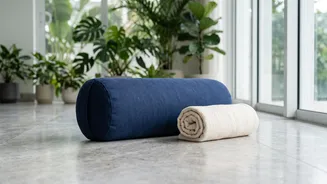
Yoga is for everyone, and poses can always be adapted. If you experience knee pain, place a folded blanket or towel under your knees for extra cushioning. For those with sensitive or sore wrists, you can modify the pose in several ways. Try making fists with your hands and resting on your knuckles, or lower down onto your forearms instead of your palms. Cat-Cow can also be practiced while seated in a chair. Simply sit with your feet flat on the floor, place your hands on your knees, and move through the same spinal motions of arching and rounding.