








A World-Class Event with Ground-Level Problems
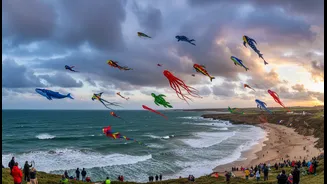
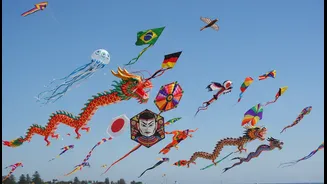
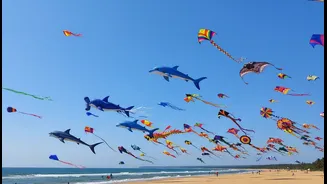
The Tamil Nadu International Kite Festival, hosted by the Department of Tourism, has blossomed into a major event on the state's cultural calendar. Drawing international kite flyers and tens of thousands of local families, the festival transforms the skies
over Mamallapuram into a breathtaking spectacle of giant, colourful kites. The vision is ambitious: to become a world-class event that rivals famous festivals globally. However, a festival's success isn't just measured by the spectacle in the sky, but by the experience of the people on the sand. Year after year, attendees face recurring issues with traffic, access, and basic amenities that threaten to overshadow the event's charm. For an event with such immense potential, it's time to address the friction between the grand vision and the ground reality.
The Choke Point: Accessing Mamallapuram
The choice of Mamallapuram, a UNESCO World Heritage site, as the festival's backdrop is picturesque, but it also presents a significant logistical nightmare. The East Coast Road (ECR) becomes heavily congested during the festival weekend, a problem that plagues the tourist town even on normal holidays. Reports from previous years highlight vehicles piling up, causing massive traffic jams. Once visitors get near the venue, the problems continue. Parking is notoriously inadequate, with official lots filling up quickly, forcing thousands to park haphazardly on narrow side streets. This often means a long, frustrating walk to the actual festival site, a difficult trek for families with young children and the elderly. While organisers have noted improvements to parking facilities, the sheer volume of visitors during the Independence Day long weekend often overwhelms the local infrastructure.
At the Mercy of Coastal Weather
Scheduling a kite festival in August on the Tamil Nadu coast is a gamble. This period falls within the monsoon season, which can bring unpredictable weather, from sudden heavy rains to intensely strong winds or, conversely, a complete lack of breeze. The official festival website even carries a disclaimer that kite flying is weather dependent and cannot happen in rain. Beyond just the kites, the weather profoundly impacts the visitor experience. High heat and humidity, with average August temperatures often climbing into the high 30s Celsius, can be punishing for attendees, especially during the afternoon. The festival typically runs from the afternoon into the evening, meaning many visitors arrive during the hottest part of the day. This raises questions about whether the timing truly serves the comfort and safety of the thousands of families it aims to attract.
Questionable Timings and Public Convenience
The festival's daily schedule, often from 3 PM to 9 PM, is designed to culminate in LED kite displays after sunset. While this offers a unique visual, it forces many families to navigate peak heat and peak traffic simultaneously. For those travelling from Chennai and surrounding areas, the late finish combined with the inevitable exit traffic makes for a long and exhausting day, particularly for those with children. Furthermore, the emphasis is on professional kite flyers showcasing their large, often tethered, balloon-like kites. While this avoids the dangers of glass-coated manja, which is banned in Tamil Nadu, it also means the event is largely a spectator sport. Visitors are not permitted to fly their own kites, which might be a missed opportunity for greater public engagement and a more participatory family experience.
A Path to a Better Festival Experience
For the Tamil Nadu International Kite Festival to truly achieve its world-class ambitions, the focus must expand from the sky to the ground. The organisers, including the Tamil Nadu Tourism Development Corporation, could explore several improvements. A more robust traffic management plan, created in coordination with local police, is essential. This could involve creating dedicated festival lanes on the ECR, promoting park-and-ride shuttle services from designated lots further away, or even incentivising public transport. Regarding timing and weather, exploring a different time of year, like the cooler, more stable post-monsoon months, could be a game-changer for attendee comfort. Alternatively, shifting the daily start time later could help avoid the worst of the afternoon heat. A festival's legacy is built on positive memories, and ensuring visitors are comfortable, safe, and not stuck in traffic is the foundation of a truly successful event.