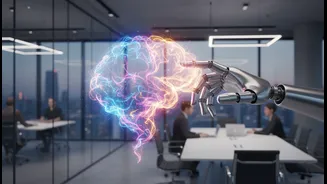







1. AI Ethicist
An AI Ethicist acts as a bridge between technology and humanity, ensuring artificial intelligence systems are designed and used responsibly. While an algorithm can process data and execute commands, it cannot grasp the nuances of fairness, bias, or societal
impact. This role requires a deep understanding of philosophy, law, and human values to navigate complex moral grey areas. For instance, if an AI is used in hiring, who is accountable if it develops a bias? An AI Ethicist steps in to ask these critical questions, conduct impact assessments, and establish guidelines that steer development toward beneficial outcomes, a task rooted in human judgment that code cannot perform.
2. Chief Heart Officer
Forget perks like free snacks; the Chief Heart Officer (CHO) focuses on the emotional well-being and psychological safety of a company's workforce. This role goes far beyond traditional human resources by championing a culture of empathy, connection, and purpose. A CHO's success is measured by the heartbeat of the company—the morale, engagement, and sense of belonging among employees. This requires high emotional intelligence, active listening, and the ability to build trust, skills that an algorithm, which lacks genuine feelings and sincerity, cannot replicate. They talk with employees about their fears, anxieties, and professional goals, ensuring everyone feels heard and valued.
3. Human-Machine Interaction Designer
As technology becomes more integrated into our lives, the need for seamless interaction is critical. A Human-Machine Interaction (HMI) or Human-AI Interaction Designer focuses on making technology intuitive, trustworthy, and collaborative. Their job is to understand human psychology and behaviour to design interfaces that feel natural and predictable. While AI can optimize a system for efficiency, it can't intuitively grasp what makes an experience frustrating or delightful for a human user. These designers use empathy to translate complex user needs into designs that feel right, a crucial element in fields from autonomous vehicles to collaborative creative tools.
4. Creative AI Prompt Engineer
This role is less about coding and more about conversation and creativity. A Creative AI Prompt Engineer crafts sophisticated prompts to guide large language models (LLMs) toward generating high-quality, context-aware, and novel outputs. It’s a blend of art and science, requiring a deep understanding of the AI's capabilities and limitations, along with a strong grasp of language, logic, and creative intent. An algorithm can't intuit the subtle blend of curiosity, experimentation, and specific instruction needed to coax a truly groundbreaking piece of art or text from a generative model. This role is about collaborating with the AI as a creative partner, a process driven entirely by human insight.
5. Digital Detox Facilitator
In a world of constant connectivity, the ability to disconnect is becoming a vital skill. A Digital Detox Facilitator, or Digital Wellness Coach, helps individuals and organizations manage their relationship with technology to improve mental health and well-being. These professionals design programs and workshops that teach mindfulness, set healthy boundaries with devices, and encourage offline connection. An app can track screen time, but it cannot provide the empathetic support, accountability, and personalized strategies that a human coach can. This role is built on understanding human psychology, stress, and the need for balance—areas where authentic human connection is the core of the solution.