



The Green Interior Boom
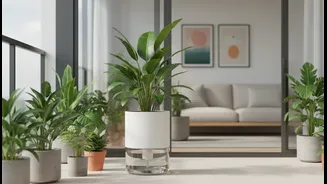
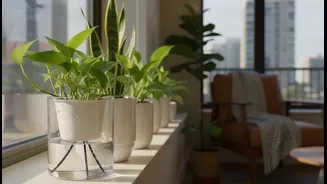
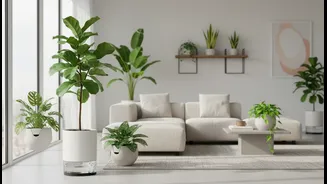
Walk into the home of a millennial, and you are likely to be greeted by a fiddle-leaf fig or a collection of succulents on a windowsill. This generation has embraced 'plant parenthood' with enthusiasm, driven by a desire for wellness, aesthetic appeal,
and a connection to nature in increasingly urban environments. Social media has played a huge role, with platforms like Instagram and TikTok turning specific plants into must-have decor items. This trend isn't just about looks; many are drawn to the mental health benefits of nurturing something green. In India, the indoor plant market is surging, fuelled by young, urban professionals looking to create a green sanctuary at home.
How Do Self-Watering Planters Work?
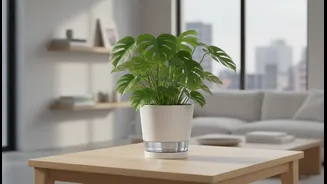
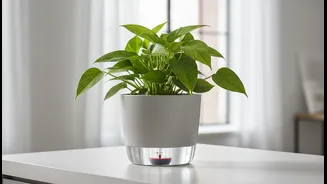
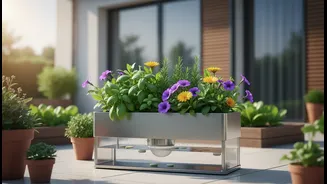
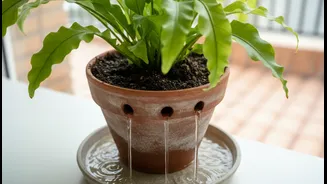
For all the joy plants bring, the number one challenge for new owners is watering. Too much, and you risk root rot; too little, and the plant wilts. Self-watering containers solve this problem with a simple, clever system. Each pot consists of a main growing area for the plant and soil, and a separate, built-in reservoir at the bottom to hold water. A wicking mechanism, often a fabric strip or absorbent plug, connects the two. This wick draws water up from the reservoir into the soil as needed through a natural process called capillary action, allowing the plant to essentially drink at its own pace. This 'bottom-up' approach keeps the soil consistently moist but not waterlogged, taking the guesswork out of watering.
A Perfect Match for the Millennial Lifestyle
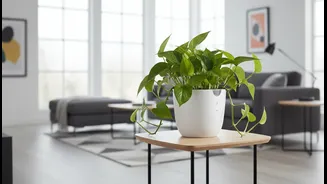
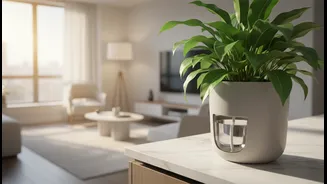
The popularity of these planters among millennials is no surprise; they are practically designed for the realities of modern life. For those with demanding jobs or unpredictable schedules, the chore of daily or weekly watering is removed. The reservoir system means plants can be left unattended for longer periods, making it ideal for frequent travellers. This convenience removes a major source of anxiety for aspiring gardeners, making plant ownership feel more achievable and less like a high-stakes commitment. It aligns perfectly with the demand for low-maintenance living solutions that offer maximum reward for minimal effort, a key driver for younger consumers.
The End of the 'Black Thumb'?
Many people who believe they have a 'black thumb' are simply chronic over- or under-waterers. By providing a consistent level of moisture directly to the roots, self-watering pots drastically reduce the risk of these common mistakes. This leads to healthier plants with stronger root systems and lusher foliage. Furthermore, by delivering water directly to the roots, less water is lost to evaporation, making them a more water-efficient and sustainable choice. This not only saves a precious resource but also reduces the chances of pests and diseases that can thrive in overly damp surface soil.
Are They Right for Every Plant?
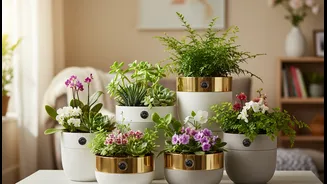
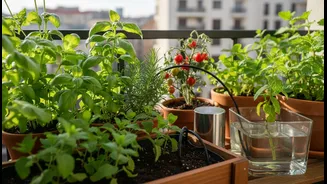
While revolutionary, self-watering containers are not a one-size-fits-all solution. They are ideal for plants that thrive in consistently moist soil, such as ferns, tropical foliage plants, and many common herbs and vegetables. However, they are less suitable for succulents, cacti, or other species that prefer their soil to dry out completely between waterings. For these drought-loving plants, the constant moisture provided by a wicking system can lead to root rot. Therefore, it is still important to match the plant to the pot and its watering system to ensure a thriving indoor garden.