





The End of the Showroom Home
Remember the era of matching furniture sets, gleaming surfaces, and interiors so coordinated they felt untouched by human hands? That ideal, long upheld by glossy magazines and Bollywood sets, is fading. Today, there's a growing weariness with the “showroom-perfect”
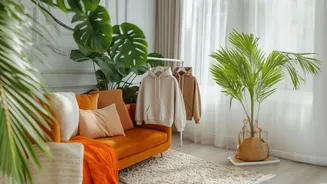
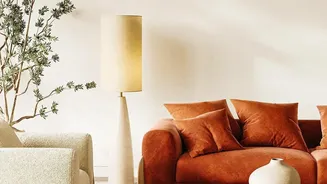
look. Homeowners are increasingly seeking spaces that feel authentic, comfortable, and deeply personal, rather than adhering to a rigid, impersonal template. The focus is shifting from how a home looks in a photograph to how it feels to live in. This movement values emotional comfort over manufactured perfection, marking a significant turn in domestic aesthetics.
What 'Imperfect' Really Means
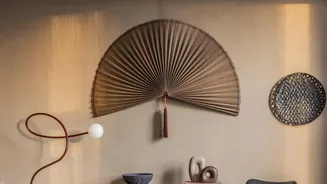
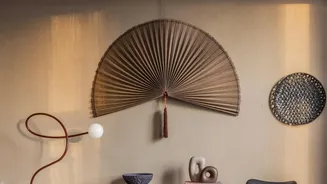
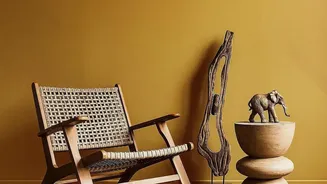
This new trend isn't about celebrating mess or neglect. Instead, it's about embracing character and the beauty of imperfection, a concept known in Japanese philosophy as wabi-sabi. This means valuing handmade objects with slight irregularities, furniture that shows the patina of age, and materials that are natural and textured. Think of hand-thrown pottery, textiles with visible artisan marks, and unpolished stone or wood that feels warm and tactile. The trend also borrows from the 'Granny Chic' aesthetic, reintroducing heirlooms and traditional Indian craft pieces like brass lamps, handwoven rugs, and carved wooden panels into modern flats. It's a move toward 'slow decor'—the mindful curation of items that carry a sense of history and tell a story.
Key Drivers of the Shift
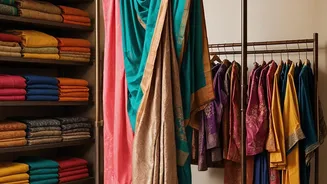
Several factors are fuelling this change. The post-pandemic world has fundamentally altered our relationship with our homes, turning them into offices, schools, and sanctuaries. This has amplified the need for spaces that are not just beautiful, but also functional, comfortable, and restorative. There is also a growing desire to connect with our roots. Homeowners are increasingly blending traditional Indian aesthetics—from Rajasthani jharokhas to Kerala's woodwork—into contemporary settings, creating a style that is both modern and culturally resonant. Social media also plays a complex role; while it can create pressure to have a 'perfect' home, it has also exposed people to a wider variety of real, lived-in spaces and given them the vocabulary to articulate their own unique tastes. Many now arrive at design consultations with mood boards that mix global trends like Japandi with local craftsmanship.
A Reflection of Personal Identity
Ultimately, this trend is about identity. An interior is no longer just a backdrop for life; it is an active expression of it. People are choosing to surround themselves with objects that hold meaning, whether it's a piece of inherited furniture, a collection of travel souvenirs, or art from a local creator. This approach turns a house into a home that tells the unique story of its inhabitants. Designers note that clients are increasingly prioritising personalisation, wanting every element to resonate with their personality rather than conforming to a pre-set style. This might manifest as a bold, maximalist space filled with colour and pattern, or a warm, textured minimalist interior that feels calming and soulful. The common thread is authenticity.