






Understanding the 'No Insurance, No Fuel' Proposal
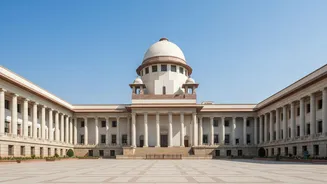
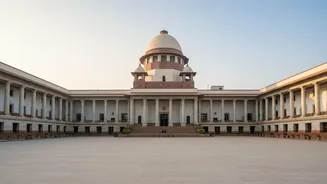
The Supreme Court of India has directed the government and the Insurance Regulatory and Development Authority of India (IRDAI) to design a pilot project based on a 'No Insurance, No Fuel' concept. The core idea is to prevent petrol pumps from selling
fuel to vehicles that do not have a valid third-party insurance policy. This is not a rule in effect yet; it is currently a proposed pilot to test the feasibility of such a system. The primary goal is to tackle the staggering number of uninsured vehicles on Indian roads—estimated to be nearly 56%, or over 16 crore vehicles—which leaves accident victims with little to no financial recourse. By linking fuel access to insurance compliance, authorities hope to significantly increase the number of insured vehicles, thereby enhancing road safety and victim support.
What Is Third-Party Insurance and Why Is It Mandatory?
Under the Motor Vehicles Act of 1988, third-party liability insurance is mandatory for every vehicle operating on public roads in India. This type of policy does not cover damage to your own vehicle; instead, it covers your legal liability for death, injury, or property damage caused to a third party in an accident involving your vehicle. Think of it as a financial safety net for the public. Driving without this basic insurance is a punishable offense that can lead to fines of up to ₹4,000 and even imprisonment. The Supreme Court's proposal aims to make compliance unavoidable, shifting the check from sporadic police stops to the routine act of refueling.
How Would Verification Work at Petrol Pumps?
The proposed system would rely on technology to make verification quick and seamless. The most likely method would involve integrating petrol pump systems with the central government's VAHAN database. VAHAN is the national registry that holds detailed records of all registered vehicles, including their insurance status. When you pull in for fuel, a camera could automatically scan your vehicle's number plate using Automatic Number Plate Recognition (ANPR) technology. This number would be instantly checked against the VAHAN database. If the system shows a valid, active insurance policy, the fuel dispenser is enabled. If not, the transaction could be blocked until the owner purchases or renews their policy.
How to Check Your Insurance Status Today
You don't have to wait for the pilot to be implemented to check your insurance status. Vehicle owners can easily verify their policy details online through official government portals and apps. The two main platforms are the Parivahan Sewa website and the mParivahan mobile app, both managed by the Ministry of Road Transport and Highways. By simply entering your vehicle's registration number, you can view your insurance policy's validity, the name of the insurer, and the expiry date. Keeping a digital copy of your insurance on your phone through apps like mParivahan is also a convenient way to have your documents handy at all times.
Potential Challenges and What This Means for You
While the proposal is aimed at improving road safety, its implementation faces practical challenges, such as what happens during internet outages or if there are discrepancies in the VAHAN database. Authorities will need to work through these issues during the pilot phase. For vehicle owners, the message is clear: ensuring your third-party insurance is always up-to-date is more critical than ever. The proposal is part of a broader push for stricter enforcement, which also includes extending the mandatory third-party insurance period for new cars to four years and for new two-wheelers to six years. Proactively managing your policy is the best way to avoid any future inconvenience at the pump.