




The Economics of the Plastic Stool
The secret to Vietnam's affordability starts with the business model itself. Most street food vendors operate with minimal overhead. There's no fancy dining room, no high rent, and no extensive staff to pay. The 'restaurant' is often a simple cart, a few
plastic stools on a pavement, and a cooking setup that is as efficient as it is compact. This low-cost structure means vendors don't need to build high profit margins into their prices. Their success is built on volume—serving countless locals and travellers from morning until late at night. This sidewalk economy is a significant part of city life, providing a livelihood for many families and keeping food accessible for everyone.
A Family Affair, A National Tradition
Many of the recipes you'll taste on the streets of Hanoi or Ho Chi Minh City have been passed down through generations. Street food isn't just a business; it's a family tradition and a source of pride. Often, a single stall will specialise in one dish, perfecting it over decades. This focus on a single item allows them to streamline their process and purchase ingredients in bulk, further reducing costs. The labour is frequently provided by family members, which keeps salaries out of the equation. You're not just buying a meal; you're often buying it directly from the person whose grandparent created the recipe, ensuring both authenticity and a low price.
Fresh, Local, and Direct
Vietnam's strong agricultural base is another key factor. A vast amount of produce, meat, and herbs are sourced from local farms, cutting out the middlemen and expensive supply chains that drive up prices in other countries. Ingredients are often bought fresh from the market each morning, which is why the food is not only cheap but also incredibly flavourful. This commitment to local sourcing means your bowl of Phở or Bánh Mì sandwich is made with ingredients that haven't travelled far, supporting the local economy and keeping your meal ticket refreshingly low.
Your Rupee Goes a Long Way
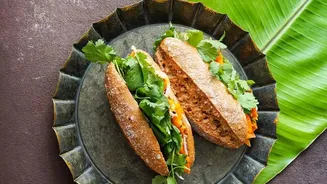
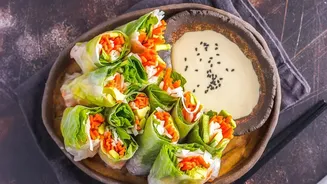
For an Indian backpacker, the value is astonishing. A filling, delicious meal can often cost less than 150 rupees. A classic Bánh Mì, a crispy baguette filled with pâté, meats, and fresh herbs, can be found for as little as ₹70-₹100 (around 20,000-30,000 VND). A steaming bowl of Phở, the iconic noodle soup, will typically set you back ₹100-₹200 (about 30,000-60,000 VND). Other must-try dishes like Bún Chả (grilled pork with noodles) or Cơm Tấm (broken rice) are similarly priced, allowing travellers to eat three full meals a day for well under ₹500-₹700. It’s a budget that allows for indulgence, not just survival.
More Than a Meal, It's an Experience
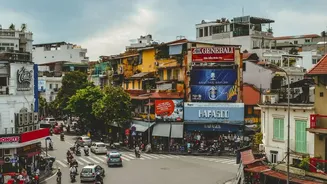
Ultimately, the low cost is a gateway to the most authentic cultural experience Vietnam has to offer. Eating street food means sharing a tiny table with locals, watching the city's chaotic ballet of motorbikes, and engaging directly with the people who make the food. It’s a daily ritual for millions of Vietnamese people from all walks of life. Choosing a street-side vendor over a tourist-focused restaurant is not just a decision that benefits your wallet; it’s a choice to dive headfirst into the heart of Vietnamese culture, where the best things in life are shared, simple, and deeply satisfying.