




Make Your Gravy a Protein Hub
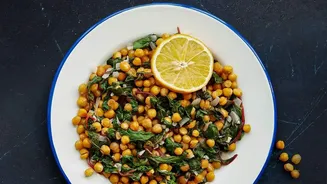
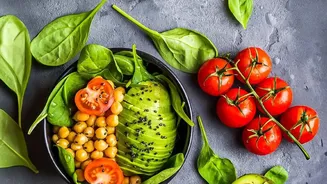
The foundation of a balanced meal often starts with its protein content, which is crucial for muscle repair and overall health. Many traditional Indian gravies are already built around excellent vegetarian protein sources. Lentils (dal), kidney beans
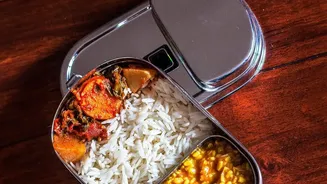
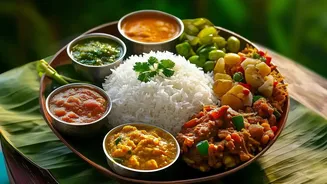
(rajma), and chickpeas (chana) are fantastic options. Combining these pulses with rice creates a more complete protein profile. To ensure your meal is truly balanced, be generous with the gravy portion. Don't let it be a mere topping for a mountain of rice. Aim for a ratio where the protein-rich gravy is a substantial part of the dish, ensuring you feel full and satisfied. For non-vegetarians, lean cuts of chicken or fish can be used in the gravy for a direct protein boost.
Weave in Fibre-Rich Vegetables
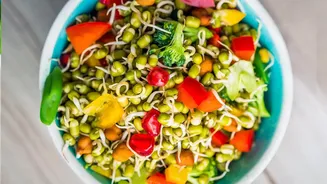
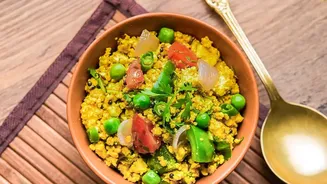
Vegetables are a non-negotiable part of a balanced plate, providing essential fibre, vitamins, and minerals. The good news is that they are incredibly easy to incorporate. You can finely grate vegetables like carrots, zucchini, or bottle gourd (lauki) directly into your simmering gravy; they will cook down and add nutrients without drastically changing the texture. Another excellent method is to prepare a quick side dish, or 'sabzi'. A simple stir-fry of beans, cauliflower, or spinach with minimal spices can be prepared in minutes. Even a simple, fresh salad, known as 'kachumber', made with chopped cucumber, tomato, and onion with a squeeze of lemon juice, adds a refreshing crunch and a dose of raw nutrients.
Choose Your Carbohydrates Wisely
Rice is the canvas, but the type of rice you choose can make a nutritional difference. Brown rice, being a whole grain, retains its bran and germ, offering more fibre, vitamins, and minerals than its white counterpart. The higher fibre content in brown rice helps in promoting a feeling of fullness and leads to a slower, more stable rise in blood sugar levels. If you find the texture of brown rice too dense, consider starting with a mix of white and brown rice. Alternatively, you can explore other whole grains like millets or quinoa as a base for your gravy, adding variety and a different nutritional profile to your meal.
Don't Forget Healthy Fats
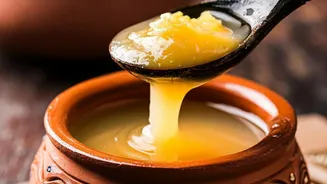
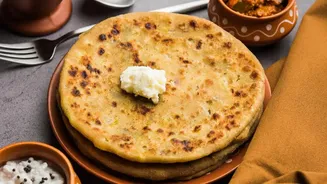
Fat is not the enemy; in fact, healthy fats are essential for flavour and the absorption of certain vitamins. Traditional Indian cooking has always incorporated healthy fats in moderation. A small dollop of ghee on top of your dal rice not only enhances the flavour but also adds nutritional value. Another way to include healthy fats is through the 'tadka' or tempering. Using cold-pressed oils like groundnut, sesame, or mustard oil for your tempering can provide beneficial fatty acids. You can also sprinkle a tablespoon of roasted pumpkin seeds, sunflower seeds, or chopped nuts like almonds over your finished plate for an added crunch and a boost of healthy fats and other micronutrients.
Finish with Probiotics and Freshness
The final touches can elevate your meal from good to great, both in taste and nutrition. A side of plain yoghurt or 'dahi' is a classic accompaniment for a reason. It's a great source of probiotics, which are beneficial for gut health, and also provides calcium and protein. A simple raita, with cucumber or mint, can add a cooling element to balance the spices in your gravy. Finally, always finish your plate with a garnish of fresh herbs like coriander and a squeeze of fresh lemon juice. This not only brightens the flavour but also adds Vitamin C, which can help in the absorption of iron from the lentils and beans in your meal.