




A Collective Craving for Comfort
The move toward earthy palettes and soft textures is more than just a fleeting trend; it’s a direct response to our modern lives. After years of digital saturation and fast-paced schedules, there's a growing desire for our homes to be true sanctuaries—places
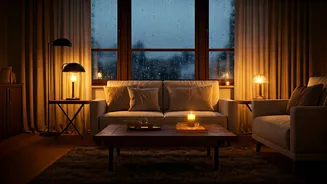
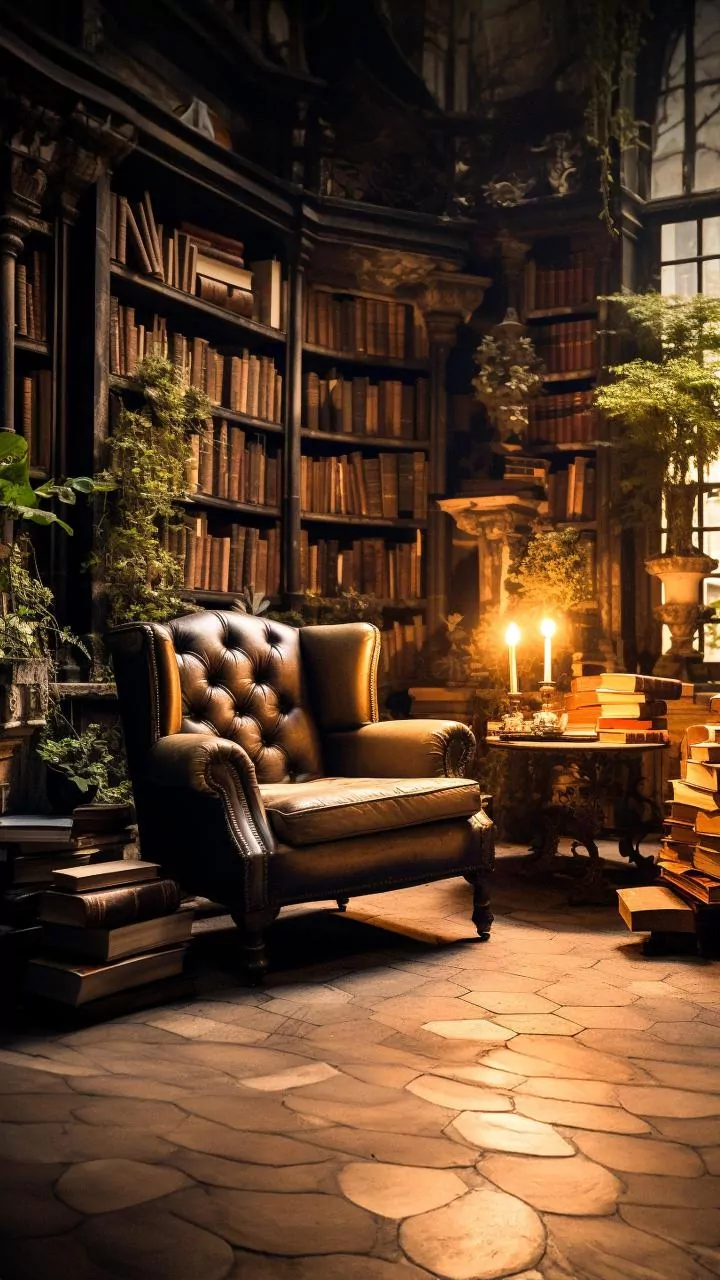
that feel grounded, safe, and restorative. Interior design is becoming less about creating a perfect, catalogue-worthy space and more about fostering emotional well-being. This has led to a rejection of the cold, impersonal minimalism that was popular in previous years in favour of environments that feel lived-in, warm, and human. Designers note that comfort-led design, which uses restful colours and cocooning furniture, helps create a space for digital detoxing and emotional recovery.
The Psychology of an Earthy Palette
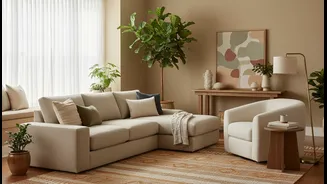
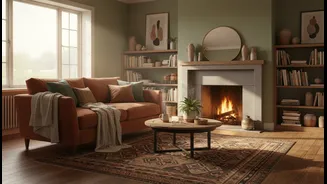
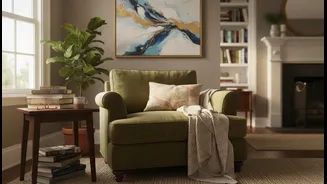
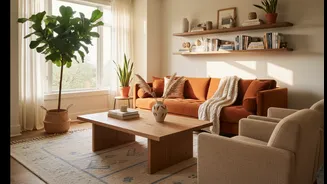
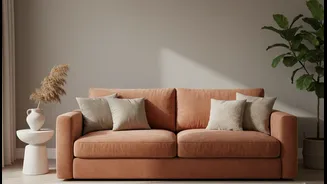
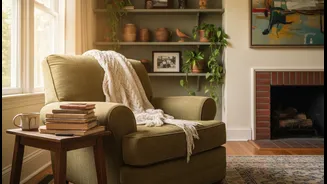
The specific colours defining 2026 are drawn directly from nature: terracotta, clay, olive green, sandy beiges, and rich chocolate browns. These shades are psychologically grounding. Unlike stark whites or cool greys that can feel sterile, earth tones absorb light softly, creating a sense of warmth and depth. Experts explain that these colours connect us to the natural world—soil, trees, and stone—which can lower stress and promote calmness. This shift from cool to warm neutrals is a deliberate choice to make interiors feel more inviting and balanced. Shades like terracotta add a warm depth, while muted greens and soft browns create a feeling of stability and peace.
The Rise of Tactile and Natural Textiles
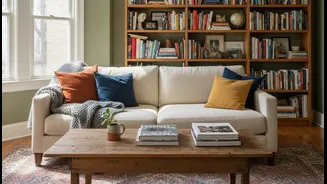
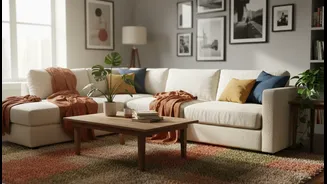
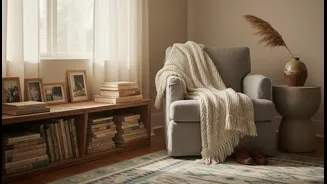
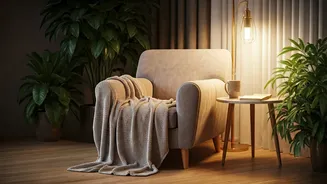
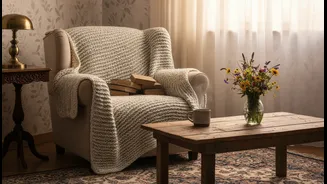
Alongside colour, texture has become a crucial element in home décor. There is a clear preference for natural, tactile materials that invite touch. Fabrics like bouclé, washed linen, wool, and corduroy are surging in popularity for upholstery, cushions, and throws. Linen, in particular, has been celebrated for its relaxed, lived-in feel that embodies a sense of quiet luxury without the fuss. This focus on tactility is about engaging more than just our sense of sight; it’s about how a room feels. Layering these soft, natural textiles creates an atmosphere of cosiness and physical comfort, making a space feel more complete and welcoming.
Biophilia: Designing Our Connection to Nature
This entire trend can be understood through the lens of biophilic design—the idea that humans have an innate need to connect with nature. Incorporating earthy colours and natural materials is a core principle of this design philosophy. By using wood with visible grain, stone, and fabrics like linen and wool, homes feel more aligned with the outside world. This connection has been shown to reduce stress, improve mood, and enhance overall well-being. Biophilic design in 2026 is less about simply adding a few houseplants and more about weaving nature into the very architecture of a space, from the colour on the walls to the texture of the floors and furniture.
How to Weave This Trend into Your Home
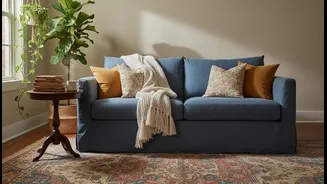
Adopting this warm, natural aesthetic doesn't require a complete overhaul. You can start small by layering textures. Add a chunky knit throw to your sofa or switch to linen cushion covers in shades of rust, olive, or beige. Consider painting a single accent wall in a warm terracotta or deep clay brown to anchor a room and create a calm mood. Introducing natural materials through decor is another easy step. Think wooden coffee tables, rattan baskets, clay vases, or a jute rug. These small additions work together to soften sharp lines and make a space feel more organic and personal, creating a home that is not just stylish but also a genuine retreat.