



The Case for Water-Wise Gardening
Across India, from bustling cities to quieter towns, the demand for water is intensifying. For garden enthusiasts, this presents both a challenge and an opportunity. Traditional lawns and thirsty plants can consume a significant amount of household water,
contributing to strain on local resources. Embracing a low-water or 'xeriscape' approach is a powerful way to reduce your environmental footprint. But the benefits are personal, too. A water-wise garden is often lower maintenance, saving you time on daily watering. It can also be more resilient, better equipped to handle the increasingly hot summers and unpredictable dry spells. This shift is about future-proofing your passion for gardening, ensuring it remains a sustainable and enjoyable pursuit for years to come.
Start with Smart Design
A successful low-water garden begins with planning, not just planting. The core principle of xeriscaping is to design a landscape that works with your local climate, not against it. Start by observing your space. Where does the sun hit hardest? Which areas are naturally shadier or wetter? Group plants with similar water and sunlight needs together, a practice known as 'hydrozoning'. This prevents you from overwatering a drought-tolerant plant just because it sits next to a thirsty one. Consider reducing the size of water-intensive lawns, replacing parts of them with attractive patios, walkways, or beds of hardy groundcover. Even small design changes can lead to significant water savings.
India's Drought-Tolerant Stars
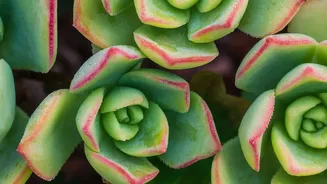
Choosing the right plants is the most exciting part of the process. Luckily, many beautiful and hardy plants are perfectly suited to Indian climates. Bougainvillea, for example, is a vibrant, sun-loving climber that thrives with minimal water once established. For cheerful, low-growing colour, Portulaca (Moss Rose) is an excellent choice that flourishes in dry soil. Lantana is another tough, sun-loving shrub whose flower clusters attract butterflies. For a more structural look, succulents like Agave are striking and require very little care. Other fantastic options include Vinca (Sadabahar), Gazania, Marigold (Genda), Zinnia, and Celosia, all of which offer stunning blooms without demanding constant watering. Exploring native plant varieties is also a brilliant strategy, as they are already adapted to your region's specific conditions.
The Power of Mulch and Soil
Your plant choices are crucial, but what's under them matters just as much. Mulch is a low-water gardener's best friend. A layer of organic material like bark chips, shredded leaves, or compost spread over the soil works wonders. It acts as a protective barrier, blocking the sun and reducing water evaporation from the soil surface, which means you need to water less frequently. Mulch also helps regulate soil temperature, keeping roots cooler during intense heat. Furthermore, it suppresses weed growth, eliminating competition for precious water and nutrients. Before you mulch, take time to improve your soil. Adding compost will help it retain moisture more effectively, creating a healthier environment for plant roots to grow deep and strong.
Watering Smarter, Not Harder
The final piece of the puzzle is changing how you water. The goal is to water deeply but infrequently. This encourages plants to develop deep, robust root systems that are more resilient during dry periods. Light, frequent sprinkling only encourages shallow roots. Water in the early morning or late evening to minimise evaporation loss during the heat of the day. For targeted efficiency, consider using a soaker hose or a drip irrigation system. These methods deliver water directly to the base of the plants, right where it's needed, with minimal waste. By combining smart plant selection with these efficient watering techniques, you can maintain a stunning garden while significantly cutting down on your water consumption.