






The Evolution of 'Ghar Ki Safai'
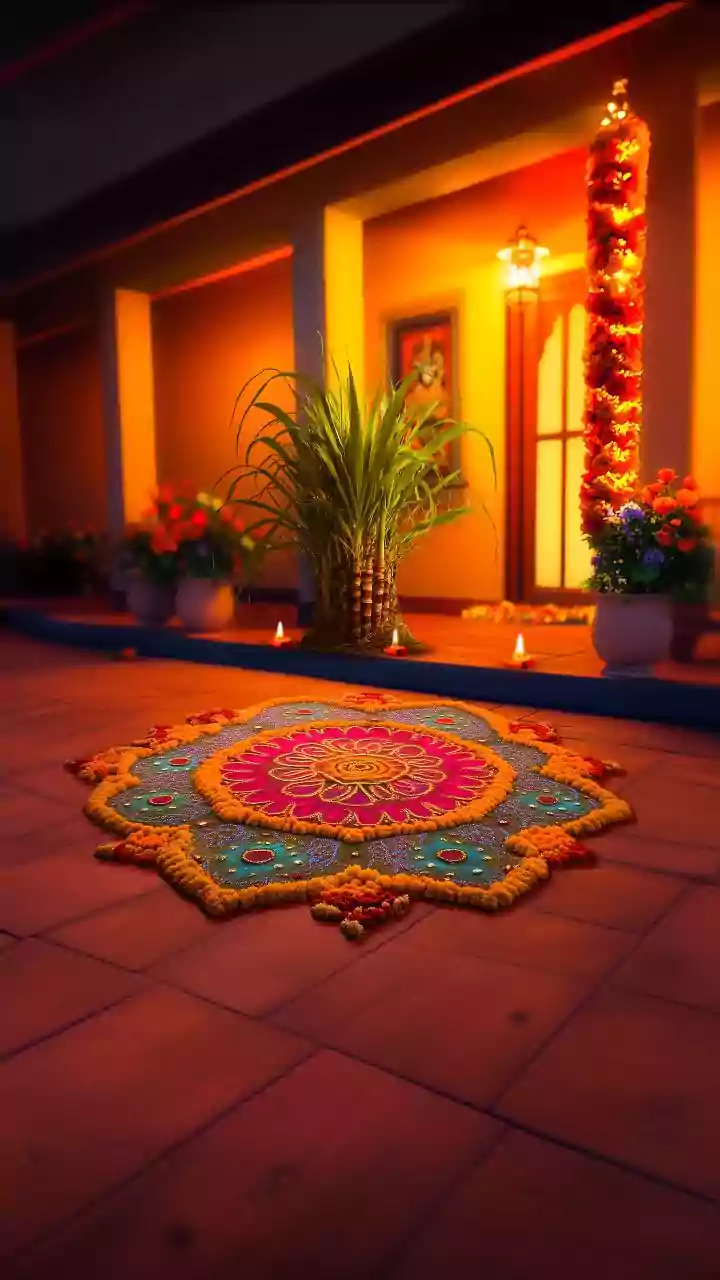
For generations, preparing for festivals like Diwali or Durga Puja meant a top-to-bottom house cleaning. It was a family affair, often spanning weeks, involving dusting, painting, and discarding old items to welcome prosperity. Today’s urban youth, often living
in smaller rented apartments far from home, are reinventing this tradition. Faced with compact spaces, busy work schedules, and a mountain of consumer goods, they are turning to structured, bite-sized decluttering ‘challenges’ that feel more manageable and rewarding than an unstructured, overwhelming deep clean. It’s less about a seasonal chore and more about a year-round philosophy of mindful living that peaks before the festive rush.
From Daunting Chore to Gamified Goal
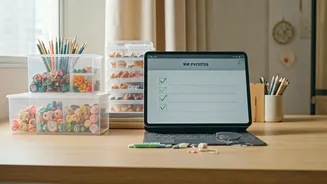
The key to this new trend is gamification. Instead of staring at a messy room and not knowing where to start, these challenges provide a clear roadmap. The simple act of framing decluttering as a '30-day challenge' or a 'minimalism game' provides a defined start and end point, daily goals, and a sense of accomplishment. Social media amplifies this effect. Young people share their progress on Instagram stories or form WhatsApp groups to keep each other motivated, turning an isolating task into a shared, communal experience. Posting a 'before' and 'after' picture provides a dopamine hit that a traditional, private cleaning session simply can't match.
The Global Influence of Minimalism
This trend didn't appear in a vacuum. It’s heavily influenced by global minimalism movements popularised by figures like Marie Kondo, whose 'spark joy' philosophy has resonated deeply worldwide. Her method encourages people to keep only what they truly love, shifting the focus from what to discard to what to cherish. This aligns perfectly with a generation increasingly interested in wellness, sustainability, and intentional living. The idea is no longer just to have a 'clean' home, but a 'calm' one—a sanctuary from the chaos of city life. This organised approach feels more empowering than the old method of simply clearing out clutter to make space for guests.
Three Popular Challenges to Try
Curious about trying one yourself? Here are a few popular formats being adapted by Indian urbanites. 1. The 30-Day Minimalism Game: Find a friend to do this with. On day one, you both get rid of one item. On day two, two items. On day thirty, thirty items. The person who lasts the longest wins. It’s a fun, competitive way to shed hundreds of unnecessary belongings in a month. 2. The 'One-Category' Method: Inspired by the KonMari method, this approach involves tackling clutter by category, not by location. Instead of cleaning one room at a time, you gather every single piece of clothing you own into one giant pile. You then go through each item, deciding what to keep, donate, or discard. The next day, you do the same for books, then papers, and so on. This prevents you from simply shifting clutter from one drawer to another. 3. The 'Packing Party' Simulation: A more extreme but effective method. You pretend you are moving and pack everything you own into boxes. Over the next few weeks, you only unpack the items you actually need. After a month, you'll have a clear picture of what is essential. The rest—still packed away in boxes—can be donated or sold without a second thought.
A Clear Space for a Clear Mind
Ultimately, the appeal of these decluttering challenges goes beyond just having a tidy apartment for festive visitors. It's about mental clarity. Living in a cluttered space has been linked to increased stress and anxiety. The act of decluttering provides a powerful sense of control and accomplishment. By consciously choosing what to keep, people are curating an environment that supports their well-being. As the festive season approaches—a time of socialising, reflection, and new beginnings—starting with a clean, intentional space sets the perfect tone for celebration and peace.