



From 'More' to 'Mood'
For years, festive decorating often meant an explosion of stuff: more lights, more colours, and more ornaments. The new approach isn't about stark minimalism, but about intentional choices. It’s a move away from visual clutter and towards creating a specific
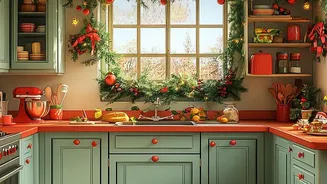
atmosphere. This trend is driven by a desire for more mindful and sustainable celebrations, as well as a growing appreciation for how our surroundings affect our well-being. Instead of decorating every corner, the idea is to create visual pause points and let a few chosen elements shine, making a space feel celebratory yet comfortable. The goal is a home that feels layered and personal, not staged for a photograph. It’s about deciding how you want your home to feel—be it cosy, lively, or elegant—before you even think about a shopping list.
Lighting: Your Primary Mood-Setter
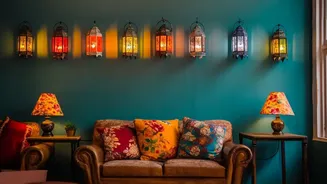
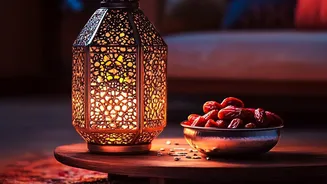
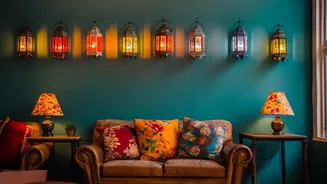
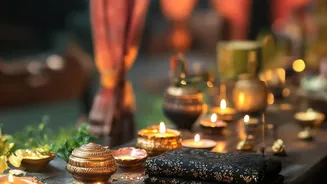
Lighting is the most powerful tool for changing the atmosphere of a room, often without adding a single new object. Bright, overhead lights can flatten a space, while smaller, warmer pools of light create instant intimacy and a sense of occasion. Layering is key. Combining ambient, accent, and task lighting creates depth and balance. Think beyond just one string of fairy lights. Use them to highlight an architectural feature like a window or bookshelf. Combine them with the soft, flickering glow of candles, whether real or battery-operated, placed on dining tables or windowsills for an elegant touch. Even a single traditional diya can alter a room's feel with its imperfect, moving glow. The focus is on the warmth and quality of the light, not the quantity.
The Power of Scent
Scent is deeply woven into the fabric of Indian celebrations, and it's now being recognised as a deliberate layer of décor. Fragrance has a powerful ability to set the mood and evoke memories. The key is to be intentional. Rather than overwhelming a space with one strong smell, think about scent-scaping your home. Use a welcoming fragrance like sandalwood or jasmine in the entryway. The living room might have something softer and spicier, like cinnamon, while bedrooms can remain calmer. This can be achieved through various means: scented candles, essential oil diffusers, or natural elements like fresh flowers and simmer pots with spices. Flowers like marigolds, roses, and tuberose add colour as well as a distinctly festive Indian character to a space.
Texture That Invites Touch
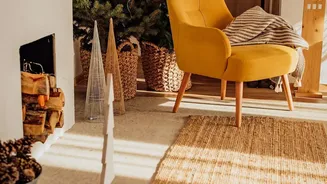
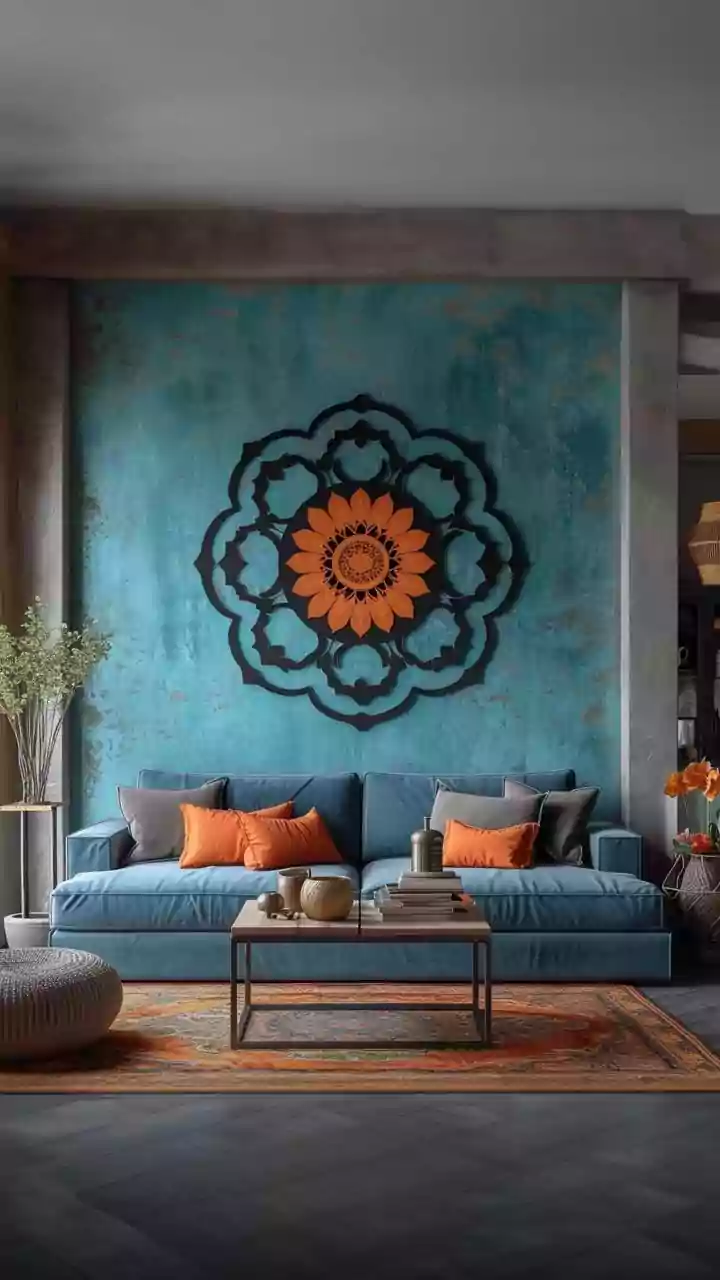
Ambience isn't just about what you see and smell; it's also about what you feel. Soft furnishings are one of the quickest ways to make an interior feel more inviting. During festive periods, consider swapping out light, summery fabrics for materials with more weight and texture. Think velvet cushion covers, woollen throws draped over a sofa, or a richly woven rug. These textural elements absorb sound, making a room feel quieter and cosier, and they invite people to settle in and get comfortable. You can also experiment with layering textiles, such as using an old silk or Banarasi sari as an elegant table runner or a decorative throw to add colour and a personal story to the setting.
Mindful Objects with Meaning
This mood-focused approach encourages a 'less is more' philosophy when it comes to decorative objects. Instead of an abundance of mass-produced items, the trend leans towards choosing a few meaningful pieces. Focus on items with high-quality workmanship or personal significance. It could be a dramatic, sculptural lamp, a handcrafted brass urli bowl, or heirloom pieces like silver trays or old temple bells. By giving these objects space to breathe, their impact becomes much greater. This is also a more sustainable approach, as it prioritises investing in durable, timeless pieces you can use for years over single-use decorations. The idea is to let your home tell a story through curated items that reflect your personality, rather than creating a generic festive look.