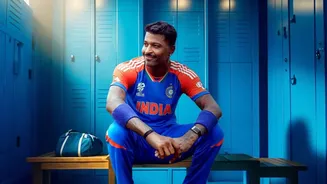

The Fuel: A Nutrition Revolution
Gone are the days of inconsistent diets. Today’s elite cricketers treat their bodies like high-performance engines, and food is the primary fuel. Virat Kohli is a poster boy for this change, famously adopting a meticulously clean, largely plant-based
diet to enhance his performance and recovery. This new philosophy focuses on lean protein, complex carbohydrates, and minimal processed sugar, with many players now travelling with dedicated nutritionists. The goal is to reduce inflammation, maintain ideal body composition, and ensure energy levels are optimised for gruelling matches and training schedules. Even players like MS Dhoni, known for his love of butter chicken, adopted a healthier diet as his career progressed, cutting out soft drinks and chocolates to stay at the top.
Training: Smarter, Not Just Harder
The era of cricketers just doing net practice and laps around the ground is long over. Modern training is scientific and sport-specific. Instead of only focusing on traditional weightlifting, players now integrate functional fitness that mimics on-field movements. This includes compound lifts like deadlifts and squats for overall power, combined with agility drills, plyometrics, and high-intensity interval training (HIIT) to improve explosive speed and endurance. Players are treated as complete athletes, with individualised programmes designed by strength and conditioning coaches. Fast bowlers work on core stability and rotational power, while batters focus on lower body strength and agility for running between the wickets.
The Unseen Game: Prioritising Recovery
Perhaps the biggest change in extending careers is the focus on what happens after the training stops. Recovery is no longer an afterthought but a crucial, scheduled part of a player’s routine. Elite athletes understand that fitness gains are made when the body repairs itself. Techniques like ice baths, physiotherapy, specialised massage, and, most importantly, adequate sleep are non-negotiable. Players like James Anderson, who enjoyed a remarkable 22-year international career, credit their longevity to a rigorous focus on recovery and managing their workload to prevent burnout and career-threatening injuries. MS Dhoni also mastered this, paying special attention to recovery between matches to avoid overtraining.
Mind Over Matter: The Mental Game
A long career isn't just about physical durability; it's about mental resilience. The pressure of international cricket is immense, and the ability to maintain focus, manage stress, and stay motivated is a skill in itself. Players are increasingly incorporating mindfulness, meditation, and mental conditioning into their routines. This was famously exemplified by MS Dhoni, whose legendary calmness under pressure was a result of immense mental fortitude. Virat Kohli also emphasizes the need to stay in touch with one's inner self to handle the constant pressure. This mental conditioning helps prevent burnout, improves decision-making, and allows players to perform at their peak even when facing adversity.
Adapt and Evolve: The Final Secret
The cricketers with the longest careers are not the ones who stick to one formula, but those who adapt. As they age, players strategically evolve their game and their training. James Anderson, for example, relied less on raw pace in his later years and more on his mastery of swing and seam. Similarly, MS Dhoni strategically retired from the gruelling Test format to prolong his white-ball career, a move that allowed him to focus his energy and resulted in some of his best IPL seasons. This ability to listen to their bodies, modify their workload, and refine their skills is the ultimate secret to staying relevant and competitive for decades.