







The Enduring Power of Sattu
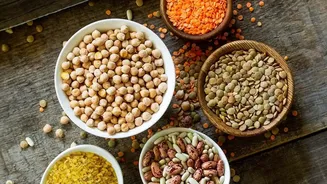
Sattu, a flour made from roasted gram (chana), has been a staple in Indian households for centuries, revered for its strength-giving properties. Often called the 'poor man's protein', this humble superfood is experiencing a modern resurgence, and for good
reason. It is packed with plant-based protein, which is essential for muscle repair and growth. Sattu is also rich in dietary fibre, which promotes a feeling of fullness, aids digestion, and helps prevent mid-morning hunger pangs. Its complex carbohydrates provide a steady release of energy, unlike the sharp spikes and crashes associated with sugary breakfast options. Furthermore, sattu has natural cooling properties, making it an excellent choice for India's warmer climates.
Crafting Your Perfect Sattu Bowl
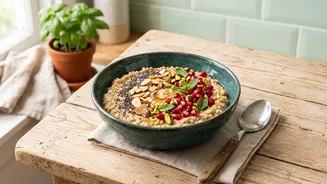
Moving beyond the traditional sattu drink, a sattu bowl or porridge offers a more substantial and customisable meal. The concept is simple: create a thick, spoonable paste that you can top with fruits, nuts, and seeds. For a savoury bowl, mix 3-4 tablespoons of sattu with a little water or buttermilk to form a thick paste. Add finely chopped onions, green chillies, fresh coriander, a pinch of black salt, and roasted cumin powder. A squeeze of lemon juice brightens the flavours. For a sweet version, mix the sattu with milk (dairy or plant-based) until it reaches a porridge-like consistency. Sweeten it with jaggery or honey and add a pinch of cardamom powder. Top your bowl with sliced bananas, pomegranate seeds, chopped almonds, or walnuts for added texture and nutrients.
The Nutritional Boost of Sprouted Legumes
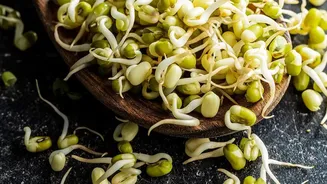
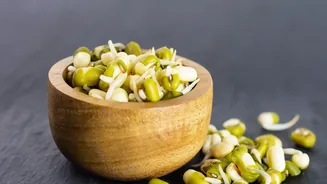
Sprouting is the process of germinating legumes like moong (mung beans), moth, or kala chana. This simple act of bringing a seed to life dramatically enhances its nutritional profile. The sprouting process increases the bioavailability of nutrients, meaning your body can absorb vitamins and minerals like iron, folate, and vitamin K more easily. It also boosts the antioxidant content significantly—sprouted mung beans can have up to six times more antioxidants than their unsprouted counterparts. The protein becomes easier to digest, and compounds that can cause gas and bloating are reduced, making them gentler on the stomach. Sprouted legumes are low in calories but high in fibre and protein, making them an excellent tool for weight management and sustained energy.
Assembling a Vibrant Sprouted Legume Bowl
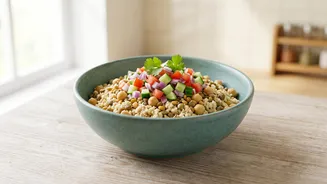
A sprouted legume bowl is a refreshing, crunchy, and colourful way to start your day. While you can buy sprouts, making them at home is easy. Simply soak the legumes overnight, drain them, and keep them in a covered container or cloth, rinsing once or twice a day. Within two days, you'll have fresh sprouts. To assemble your bowl, take a generous cup of mixed sprouts (moong is a great starting point). Add a variety of finely chopped vegetables for crunch and freshness: cucumber, tomatoes, onions, and grated carrots are excellent choices. For a dressing, squeeze fresh lemon juice and add a pinch of salt, black pepper, and chaat masala. Toss everything together and garnish with fresh coriander leaves. You can also add roasted peanuts for extra crunch and protein or pomegranate seeds for a burst of sweetness.
Tips for Maximum Morning Efficiency
To make these bowls a seamless part of your weekday routine, a little preparation goes a long way. For sattu bowls, you can pre-mix the dry ingredients (sattu, spices, powdered jaggery) and store them in an airtight container. In the morning, just add your liquid of choice. For the legume bowls, the key is to have a continuous supply of sprouts. Start a new batch of soaking legumes every two days so you always have fresh sprouts ready to go. You can also chop your vegetables the night before and store them in the refrigerator. With these components ready, assembling your high-protein breakfast bowl will take less than five minutes, ensuring you leave the house feeling nourished, energised, and ready to conquer the day.