



Why Your Breakfast Needs a Protein Boost
A protein-rich breakfast is essential for starting your day strong. It helps in building and repairing tissues, keeps you feeling full and satisfied for longer, and helps regulate blood sugar levels. While traditional batters made from rice and lentils
like urad dal do contain protein, their primary component is often carbohydrates. By incorporating seed powders, you can significantly increase the protein quotient, turning a delicious meal into a nutritional powerhouse without drastically changing the foods you love.
The Best Seeds for Your Batter
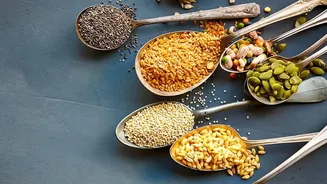
Not all seeds are created equal, but many common varieties are packed with protein and other vital nutrients. Pumpkin seeds are a great choice, offering about 8.5 grams of protein per 28-gram serving. Sunflower seeds are another excellent option, providing 7 grams of protein in the same serving size, along with healthy fats and vitamin E. Flaxseeds and chia seeds, each with around 5 grams of protein per 28 grams, also bring the added benefit of high fibre and heart-healthy omega-3 fatty acids. Even sesame seeds, a staple in many Indian kitchens, contribute nearly 5 grams of protein per serving.
How to Prepare Your Seed Powder
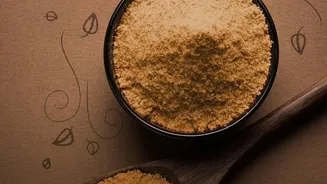
Creating your own protein-rich seed powder is simple. You can use a single type of seed or create a blend for a wider range of nutrients. For seeds like pumpkin and sunflower, lightly dry-roasting them in a pan can enhance their nutty flavour. However, be careful not to over-roast them, as this can damage their delicate fats. Once cooled, transfer the seeds to a dry grinder or a powerful 'mixie'. It's best to grind them into a coarse or fine powder in short bursts to prevent them from releasing too much oil and turning into a paste. For flaxseeds, it's recommended to grind them as the human body cannot easily digest the whole seed and access the nutrients within. Store your homemade powder in an airtight container in the refrigerator to maintain its freshness.
Adding Powder to Your Batter
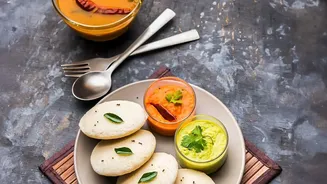
Incorporating the seed powder into your traditional batters is the easiest step. A good rule of thumb is to start with 2-3 tablespoons of seed powder for every cup of dry ingredients (rice and dal mixture) used to make your batter. For fermented batters like those for idli and dosa, you can add the powder after the batter has been ground and is ready for fermentation. The powder will integrate seamlessly during the fermentation process. For instant batters like rava dosa or cheela, simply whisk the powder in along with the other dry ingredients before adding water. Some seeds, like flax, absorb a lot of water and can thicken the batter, so you might need to add a little extra water to achieve the right consistency.
Tips for Perfect Taste and Texture
A common concern is whether adding seed powders will affect the final product. When used in moderation, the change in taste is minimal and often adds a pleasant, subtle nuttiness. Flax and chia seeds can create a slightly denser texture due to their gelling properties, so ensuring your batter isn't too thick to begin with can help. Some find that adding milled flax seeds can even contribute to a crispier dosa. Don't be afraid to experiment. Start with a smaller amount of seed powder and gradually increase it as you get accustomed to the taste and texture. You can also try different seed combinations to find the blend that your family enjoys the most.