

The Hearty Flavours of Punjab
Our trail begins in the robust heartland of Punjab, where winter is synonymous with Sarson ka Saag and Makki ki Roti. This quintessential dish features slow-cooked mustard greens, often blended with spinach and bathua, creating a coarse, creamy curry
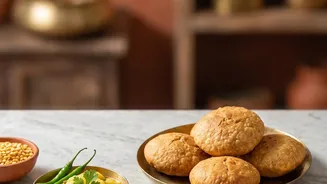
with an earthy flavour. The slight bitterness of the greens is perfectly balanced with spices like ginger and garlic, and a generous dollop of white butter or ghee. Paired with rustic flatbreads made from cornmeal (makki ki roti), this meal is a celebration of the harvest season, offering warmth and deep, satisfying nourishment against the cold.
Gujarat's Winter Vegetable Medley
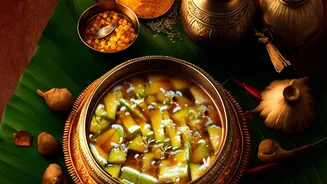
Next, we travel west to Gujarat to experience Undhiyu, a complex and celebrated winter dish. Its name derives from the Gujarati word 'undhu', meaning upside-down, which refers to the traditional method of slow-cooking the dish underground in sealed earthen pots. Undhiyu is a one-pot wonder, bringing together an array of winter vegetables like surti papdi (hyacinth beans), sweet potatoes, baby eggplants, and purple yam. These are cooked with a flavourful masala of coconut, coriander, and green chillies, and dotted with methi muthia (spiced fenugreek dumplings). This dish is especially popular during the festival of Uttarayan (Makar Sankranti) and embodies the spirit of communal winter feasts.
Bengal's Liquid Gold
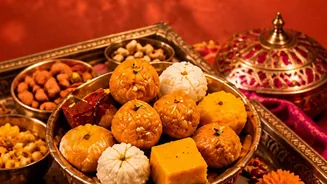
In the east, winter ushers in the season of Nolen Gur, or fresh date palm jaggery, a treasured delicacy in West Bengal. This 'new jaggery' is harvested only between December and February when the cool temperatures allow for the collection of sweet, unfermented sap from date palm trees. The sap is boiled for hours until it transforms into a smoky, caramel-flavoured liquid gold. This unique sweetener elevates a range of Bengali desserts, from the iconic Roshogolla and Sandesh to the comforting Nolen Gurer Payesh, a rich rice pudding that is a staple in every Bengali household during the winter months.
A Sweet Treat from the North
No winter food trail is complete without Gajar ka Halwa, a beloved dessert across North India. This rich pudding is made with seasonal red carrots, which are available only during winter and are prized for their sweetness and vibrant colour. The carrots are grated and slow-cooked in milk and ghee until tender and caramelised, then sweetened and flavoured with cardamom. Garnished with nuts like almonds and pistachios, a warm bowl of Gajar ka Halwa is pure comfort, a sweet and decadent ritual that makes the chilly weather feel like a celebration. It is not just a dessert but a dish packed with nutrients, making it a wholesome winter indulgence.
The Royal Finish from Kashmir
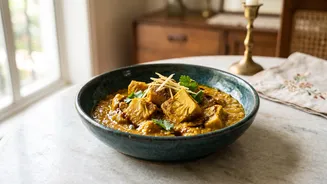
Our journey concludes in the breathtaking landscapes of Kashmir with Gushtaba. Often called the 'Dish of Kings', this special preparation is traditionally the final meat course in a Wazwan, the grand Kashmiri feast. Gushtaba consists of large, tender meatballs made from meticulously hand-pounded mutton, giving them a uniquely soft, melt-in-your-mouth texture. These meatballs are simmered in a rich, creamy gravy made from yoghurt and flavoured with aromatic spices like fennel, cardamom, and dry ginger. It's a dish of subtle, sophisticated flavours, designed to provide warmth and a luxurious end to a memorable meal.
The Himalayan Comfort Bowl
Venturing into the Himalayan regions of Sikkim, Ladakh, and Arunachal Pradesh, we find Thukpa, a hearty noodle soup that is the perfect antidote to the biting cold. This Tibetan-influenced dish can be prepared with vegetables, chicken, or other meats, all simmered in a deeply aromatic and spiced broth. Loaded with fresh vegetables like carrots, cabbage, and onions, and infused with ginger and garlic, Thukpa is both nourishing and comforting. It is a simple, one-pot meal that warms you from the inside out, making it a staple on chilly winter evenings across the Northeast and other mountainous parts of India.