








An Unwelcome Ingredient in Our Diet
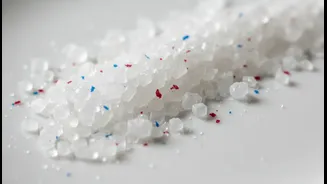
A recent study in India by the environmental research group Toxics Link sent ripples through the food industry and among consumers. It found that 100% of the salt and sugar samples tested contained microplastics. These tiny plastic particles, ranging
from 0.1 to 5 millimetres, were present in everything from packaged iodised salt and local raw salt to various types of sugar. The study revealed that iodised salt had the highest concentration of these particles, while organic rock salt had the lowest. Given that an average Indian consumes more salt and sugar than recommended by the World Health Organization, the potential intake of these plastic fragments is a growing concern.
Where Do They Come From?
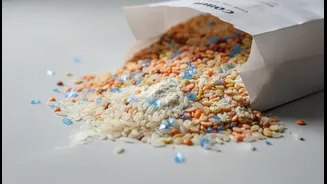
Microplastics are not manufactured and added to our food intentionally. They are a result of the breakdown of larger plastic products that pollute our environment, from packaging and industrial waste to synthetic textiles. These particles have infiltrated nearly every corner of the planet, including our oceans, soil, and air. For salt, a primary source is sea water polluted with plastic debris, which is then processed into sea salt. Microplastics can also be introduced during the manufacturing, processing, and packaging stages. The plastic-lined bags, conveyor belts, and other equipment used in factories can shed particles that end up in the final product.
The Unfolding Health Concerns
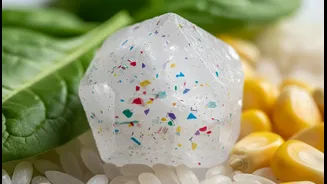
While research into the direct health impacts of ingesting microplastics is still developing, initial findings are cause for concern. Scientists have found these particles in various human organs, including the lungs, heart, and even in placentas. Animal and laboratory studies suggest potential links to inflammation, compromised immune function, and reproductive system issues. One major worry is that microplastics can act like tiny sponges, absorbing harmful chemicals like pesticides and heavy metals from the environment and carrying them into our bodies. They can also contain chemical additives like BPA and phthalates, which are known endocrine disruptors.
India’s Regulatory Response
The alarming findings have spurred India’s food safety authority into action. In response to the growing threat, the Food Safety and Standards Authority of India (FSSAI) has launched a project to tackle microplastic contamination. This initiative, which began in March, aims to develop and validate standard methods for detecting micro and nano-plastics in food products. A key goal is to generate reliable data specific to India to understand the extent of the problem and assess consumer exposure levels. This is a crucial first step, as you cannot regulate what you cannot reliably measure. The project will help in formulating effective regulations and safety standards to protect public health.
A Push for New Industry Standards
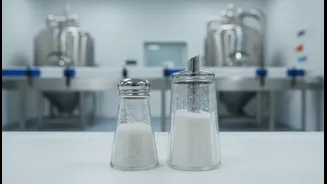
The microplastics alert is forcing the commercial food processing industry to scrutinise its operations. While a complete overhaul will take time, the focus is shifting towards prevention and removal. This includes re-evaluating the materials used in processing equipment to reduce shedding and exploring advanced filtration technologies. Techniques like ultrafiltration, nanofiltration, and reverse osmosis, already used in water treatment, are being considered for their potential to remove microplastics. Some equipment manufacturers are already developing new screening systems designed to filter out tiny particles from food slurries. The industry is also looking at reducing reliance on plastic packaging and exploring more sustainable, biodegradable alternatives to cut contamination at the source.