




The Problem with Guesswork
For decades, athletes have approached hydration with a mix of experience, guesswork, and generic advice. Drink before you're thirsty, consume sports drinks on long runs, and hope for the best. The primary issue with this approach is its lack of personalisation.
Every athlete has a unique sweat profile. The amount you sweat and the concentration of sodium in that sweat can vary dramatically from person to person. Losing too much sodium can lead to muscle cramps, decreased performance, and in serious cases, heat-related illnesses. Previously, the only way to accurately measure sweat sodium loss was through complex laboratory testing, which involved collecting sweat with absorbent pads and sending them for analysis. This method is expensive, time-consuming, and provides only a snapshot from a single session, making it impractical for most everyday athletes.
Enter the Smart Patch: A Tiny Lab on Your Skin
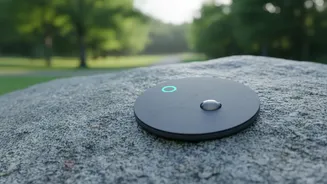
A new generation of wearable technology promises to make personalised hydration accessible to everyone. These are small, flexible, and disposable smart patches that adhere directly to the skin, typically on the forearm. They are designed to be non-invasive and function like a miniature laboratory, capturing and analysing sweat as it’s produced. Unlike traditional methods that require post-exercise analysis, these patches offer insights in real-time or immediately after a workout. This innovation represents a significant shift, moving sweat analysis from the exclusive domain of elite sports science institutes to the training grounds of everyday runners, cyclists, and team sports players.
How the Technology Actually Works
At the heart of these smart patches is a technology called microfluidics. Imagine a series of microscopic channels, thinner than a human hair, designed to collect and guide tiny amounts of sweat as it emerges from your pores. As the sweat flows through these channels, it passes over specialized electrochemical sensors. These sensors are designed to react specifically with certain biomarkers in the sweat. For tracking sodium, the sensor detects the concentration of sodium ions and generates a small electrical signal or a visual colour change in response. Some patches use colorimetric detection, where non-toxic food dyes change colour based on the electrolyte concentration, which can then be analysed by a smartphone app. More advanced systems use ion-selective electrodes that create a measurable voltage corresponding to the sodium level, sending this data wirelessly to a connected device.
From Raw Data to Actionable Insights
A raw number for sodium concentration is interesting, but not very useful on its own. The power of these systems lies in their ability to translate that data into simple, actionable advice. Typically, the patch works in tandem with a smartphone application. After a workout, the user scans the patch with their phone's camera or the data is transmitted automatically via Bluetooth. The app's algorithms then process the information—combining the measured sodium concentration with the user's sweat rate—to calculate total sodium loss. It then provides a personalised hydration and electrolyte replacement strategy. For example, it might recommend a specific amount of fluid and the type of sports drink needed to properly rehydrate before the next session. This moves an athlete from guessing how much salt they lost to knowing precisely what their body needs to recover.
The Future of Personalised Performance
While current commercially available patches primarily focus on sweat rate and sodium or chloride loss, the technology is rapidly evolving. Researchers are developing sensors capable of monitoring a much wider range of biomarkers in real-time, including glucose, lactate, potassium, and even hormones. The long-term vision is a single, unobtrusive patch that provides a continuous stream of data on your metabolic health, hydration, and stress levels. However, there are still hurdles to overcome. Scientists are working to improve the accuracy of these sensors, as sweat biomarker levels don't always perfectly match what's in the blood. Despite these challenges, the trajectory is clear: wearable biosensors are set to revolutionise how we monitor our health, providing insights that were once only available in a lab, right on our own skin.