





A New Current in Tourism
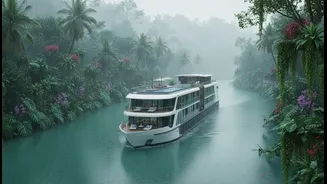
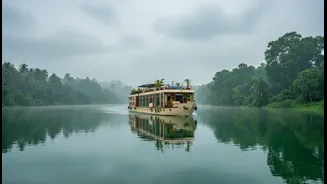
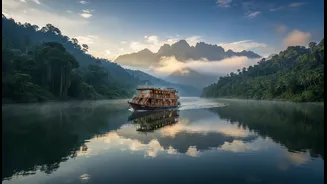
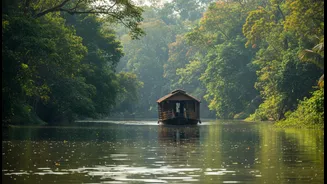
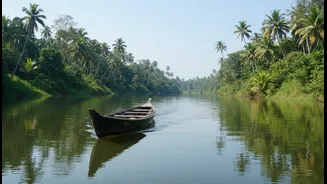
The rivers of Northeast India are being reimagined. Historically vital for transport, they are now at the heart of a strategic push to boost tourism and local economies. Spearheaded by government initiatives and buoyed by private investment, river cruising
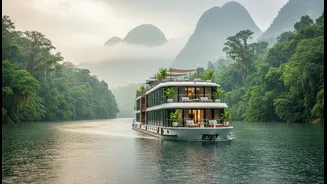
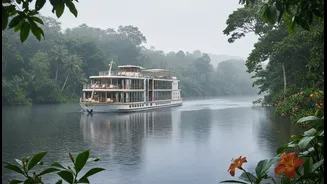
is emerging as a unique way to explore the region's rich biodiversity and cultural heritage. High-profile journeys like the MV Ganga Vilas, which travels from Varanasi to Dibrugarh in Assam, have placed the Brahmaputra (National Waterway-2) on the global tourism map. This has spurred significant infrastructure development, including new tourist terminals and jetties, and attracted investment from international cruise lines, all signaling a new era for the region.
The Ripple Effect on Village Economies
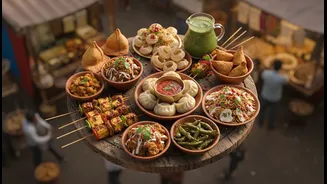
For the small, riverine communities along these cruise routes, the economic impact is direct and transformative. When a cruise ship docks, it brings more than just tourists; it brings opportunity. Villagers are finding new sources of income by selling traditional handicrafts, such as the famed silk weavings of Sualkuchi, directly to travellers. Cultural performances by local troupes, offering authentic experiences of Mising or Deori tribe traditions, become a source of revenue and pride. Furthermore, the demand for local guides, small transport operators, and fresh produce for the ships' kitchens creates a multiplier effect, allowing tourist spending to flow deep into the local economy.
Building Skills and Local Enterprise
The growth of river tourism is about more than just on-the-spot sales; it's a catalyst for long-term capacity building. Recognising the need for a professional workforce, government bodies like the Assam Skill Development Mission are partnering with tourism directorates to roll out training programmes. These initiatives aim to equip local youth with skills in hospitality, foreign languages, and tour guiding, enhancing employability. This focus on skill development empowers local communities to do more than just serve the tourism industry; it enables them to lead it. Initiatives are also underway to help locals develop and manage their own tourism ventures, such as homestays and eco-lodges, ensuring the economic benefits are equitably distributed.
Navigating Challenges and Ensuring Sustainability
The promise of economic growth is not without its challenges. There are valid concerns about the potential for cultural commodification, where sacred traditions are simplified for tourist consumption, and the risk of environmental degradation if growth is not managed properly. The key to long-term success lies in a balanced approach. For tourism to be sustainable, it must involve and empower local communities in the planning process. Eco-friendly practices, such as proper waste management and the use of greener vessels, are critical. The goal is to create a model of 'economy with ecology' where livelihoods are restored while conserving the very ecosystems and cultural authenticity that attract visitors in the first place.
The Voyage Ahead
The future of river cruising in the Northeast looks bright and expansive. The Assam government is actively exploring major investments to further develop luxury tourism on the Brahmaputra, with proposals for dedicated vessels and premium offerings like golf tourism circuits. Such projects are projected to create thousands of direct and indirect jobs. The plan is not just to attract tourists, but to build a robust, self-sustaining ecosystem that supports local enterprises and artisans. By continuing to invest in infrastructure, skill development, and sustainable practices, river tourism can serve as a powerful engine for inclusive growth, connecting the Northeast's remote villages to new horizons of prosperity.