

From Side Dish to Centrepiece
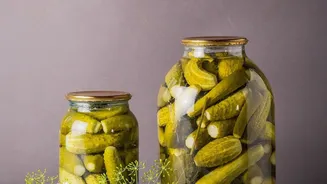
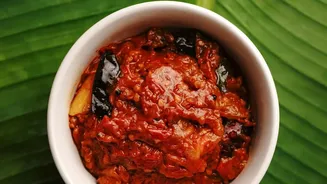
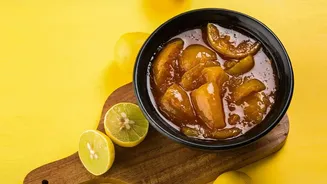
The familiar glass jar of mango or lime pickle, once a constant but quiet presence on the dining table, is now commanding new attention. What was traditionally a method of preserving seasonal produce has evolved into a culinary movement. The Indian pickle market
is experiencing a significant shift, with a growing demand for premium and artisanal varieties that promise authentic, homemade taste without the preservatives of mass-produced options. This trend is driven by urban consumers who are increasingly conscious of what they eat and are willing to pay for quality, transparency, and a connection to tradition. As lifestyles get busier, the time-honoured practice of making pickles at home has become a challenge for many, creating a thriving market for high-quality, ready-made achars that taste just like 'ghar ka swaad' (the taste of home).
A Craving for Authenticity and Nostalgia
At the heart of the premium pickle trend is a powerful sense of nostalgia. For many urban Indians, a particular flavour of achar can evoke vivid memories of childhood, summer holidays, and grandmothers sun-drying mangoes on a terrace. Artisanal brands are tapping into this emotional connection, marketing their products not just as food, but as edible history. These small-batch producers often use heirloom recipes passed down through generations, celebrating regional diversity with unique specialities like fiery Rajasthani chilli pickles, tangy Andhra Gongura, or sweet and sour Gujarati chunda. Labels now often tell a story, highlighting the origin of the ingredients and the traditional methods used, turning a simple jar of pickles into a piece of cultural heritage.
The Health-Conscious Choice
The shift towards premium achars is also fuelled by a growing focus on health and wellness. Consumers are actively seeking out products made with natural ingredients, free from artificial preservatives and additives. Many gourmet brands now emphasize their use of high-quality, cold-pressed oils, Himalayan rock salt, and organic produce. Furthermore, there is a renewed appreciation for the health benefits of traditionally fermented pickles. Natural fermentation encourages the growth of probiotics, which are beneficial for gut health and digestion. Spices commonly used in achars, such as turmeric, fenugreek, and mustard, also offer their own antioxidant and anti-inflammatory properties, making these condiments more than just a flavour enhancer.
Beyond the Thali: New Ways to Use Achar
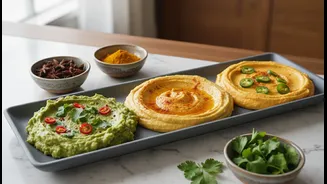
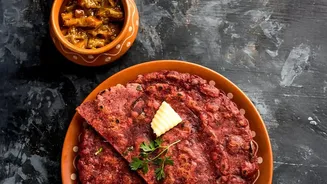
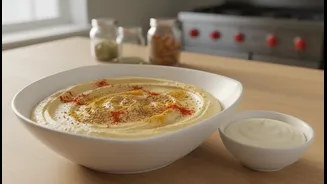
The premiumisation of achar has also inspired creative new uses in the kitchen, moving it far beyond its traditional role as an accompaniment to dal and rice. Chefs and home cooks are now incorporating pickles into a wide range of dishes. A spoonful of mango pickle can be mixed with yoghurt to create a zesty marinade for chicken or paneer tikka. The spiced oil from a jar of garlic or chilli pickle makes for a flavourful and instant dressing for salads or roasted vegetables. Pickle masala is being blended into hummus and other dips, stuffed into parathas, and even spread in sandwiches and wraps as a bold alternative to mayonnaise. This versatility has helped elevate achar from a mere condiment to a dynamic ingredient that can add a complex, tangy, and spicy kick to almost any meal.