

Embrace the Shoulder Season Weather
Late summer is a time of transition in Ladakh. The peak tourist rush of June and July is over, and the weather is often glorious. August days are sunny and pleasant, with temperatures in Leh hovering between 15°C and 25°C. However, Ladakh sits in a rain
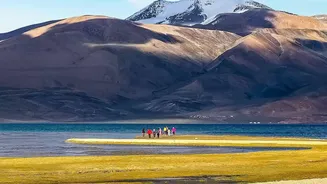
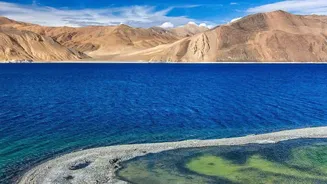
shadow, meaning while Leh itself stays dry, the approach roads via Kashmir and Himachal can still see monsoon activity. September ushers in autumn. You’ll be treated to crystal-clear skies and the start of fall colours, but be prepared for a definite chill. Night-time temperatures can easily drop towards freezing, especially in higher-altitude locations like Pangong Lake or Tso Moriri. The key is to expect warm sun during the day and a sharp cold the moment the sun sets.
Navigate the Roads Wisely
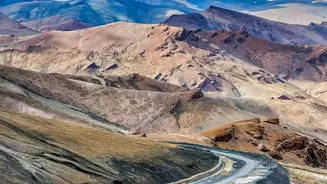
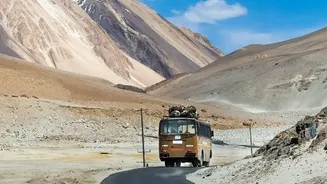
Getting to Leh by road is an adventure in itself. In late summer, both the Manali-Leh and Srinagar-Leh highways are open, but they offer different experiences. The Srinagar-Leh highway is generally considered more stable in August and September as the monsoon recedes from the Kashmir Valley. It also allows for better acclimatisation due to its gentler ascent. The Manali-Leh highway can still be prone to landslides and high water crossings in August, though conditions typically improve by September. Regardless of your route, it is crucial to build buffer days into your itinerary. A sudden landslide or bad weather patch can cause temporary closures, and having an extra day prevents your entire plan from being disrupted.
Acclimatisation is Non-Negotiable
This is the golden rule of any Ladakh trip, regardless of the season. Acute Mountain Sickness (AMS) is a serious risk due to the high altitude. Leh is situated at 3,500 metres (about 11,500 feet), and your body needs time to adjust to the lower oxygen levels. The official health advisory recommends at least 48 hours of complete rest and acclimatisation in Leh upon arrival before venturing to higher altitudes like Khardung La or Pangong Tso. This means no strenuous activity, just relaxing, hydrating, and allowing your body to adapt. Rushing your itinerary is the fastest way to fall sick and ruin your trip. Listen to your body, drink plenty of water, and avoid heavy meals and alcohol in the first few days.
Pack for Four Seasons in a Day
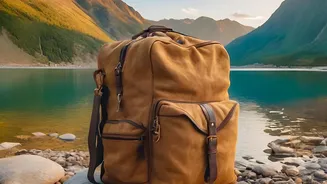
Layering is the secret to a comfortable Ladakh wardrobe. The temperature difference between sun and shade, and day and night, is immense. Your packing list should include light T-shirts for sunny afternoons, a fleece jacket for the evenings, and a warm, windproof outer jacket for cold nights and high passes. Thermals are essential, especially if you're travelling in September or camping near the lakes. Don't forget sun protection: the UV rays at high altitude are intense, so a wide-brimmed hat, sunglasses, and high-SPF sunscreen are mandatory. A good moisturiser and lip balm will also be your best friends in the dry mountain air.
Witness the Post-Monsoon Glow
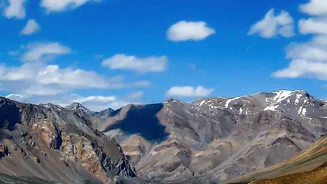
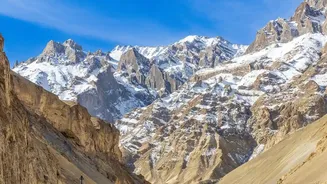
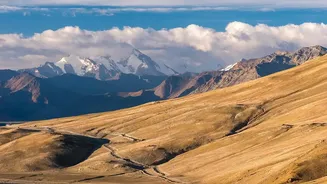
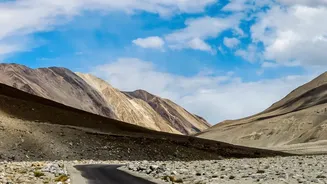
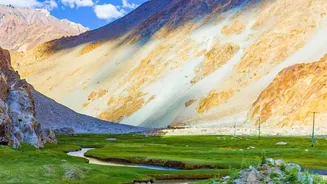
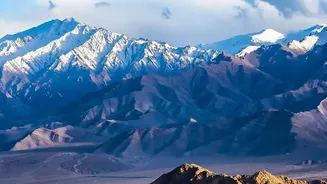
One of the best reasons to visit in late summer is the incredible clarity of the landscape. The dust has settled after the monsoon rains on the approach routes, and the skies are often a brilliant, cloudless blue. This is a photographer's dream. As September progresses, the poplar and willow trees in the Indus Valley and Nubra Valley begin to turn a stunning golden-yellow, painting the landscape in vibrant autumnal hues. The scenery is crisp, the air is clean, and the views are endless.
Enjoy the Cultural Festivities
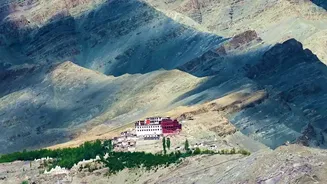
September is an excellent month for cultural immersion. The major Ladakh Festival, organised by the tourism department, often takes place during this month. This multi-day event in Leh showcases a vibrant array of traditional folk dances, music, archery competitions, and polo matches, offering a fantastic snapshot of Ladakhi culture all in one place. It is a great opportunity for first-time visitors to experience the region's rich heritage. With fewer tourists than in the peak summer months, you get a more authentic and less crowded experience at monasteries and cultural sites.