
A Renaissance of Regional Flavours
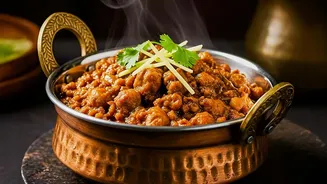
For generations, festive spreads were defined by a familiar roster of rich curries, decadent biryanis, and syrupy sweets. While these classics remain beloved, a new curiosity is driving a culinary renaissance. Chefs are now championing hyper-regional
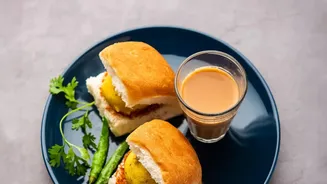
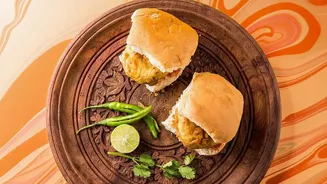
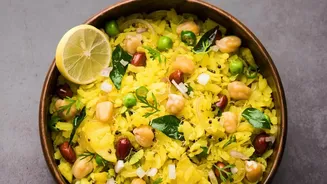
specialities that were once known only within specific communities. Instead of a generic 'North Indian' or 'South Indian' label, menus are proudly highlighting the unique ingredients and recipes from states like Himachal Pradesh, Tamil Nadu, and Maharashtra. This trend involves delving into small town markets and reviving family recipes to showcase dishes that tell a more specific story. For instance, a festive meal might now feature a dish built around GI-tagged ingredients or a forgotten local green, celebrating the true diversity of India's culinary landscape. This movement isn't about replacing tradition, but enriching it by bringing lesser-known, authentic tastes to the forefront.
The Global Toolkit
This embrace of regionalism is happening alongside a confident adoption of global techniques and ingredients. Indian cuisine has a long history of absorbing influences, from Mughal cooking methods to Portuguese ingredients in Goan food. Today’s evolution is a continuation of that story. Modern chefs are using French techniques like sous-vide to achieve perfect textures in traditional meats, or employing foams and espumas to present familiar flavours in a lighter, more contemporary format. It’s no longer surprising to find global ingredients making a cameo. A classic dish might be enhanced with a hint of Japanese miso, or a street-food favourite like dahi bhalla might be paired with feta cheese for a modern twist. This isn't fusion for the sake of novelty; it's about using a global toolkit to amplify and refine India’s own bold flavours.
Sweet Endings, New Beginnings
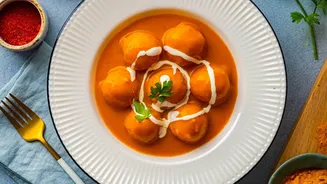
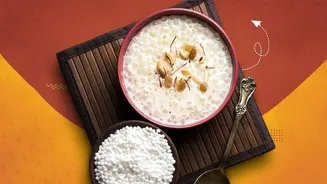
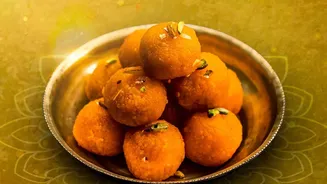
Perhaps nowhere is this intersection of regional and global more playful and apparent than in the world of 'mithai', or Indian sweets. The dessert counter is a hotbed of innovation, where classic recipes are being completely reinvented. Chefs are creating spectacular hybrids like Gulab Jamun Cheesecake, Rasmalai Cake with Rabri Frosting, and Jalebi Waffles. Even the humble Mysore Pak has been reimagined as a coffee cheesecake. This creative wave extends to flavour combinations, with traditional sweets being infused with everything from chocolate and coffee to sea salt. There is also a significant push towards healthier alternatives, using natural sweeteners like jaggery or creating gluten-free and vegan versions of beloved classics, making festive indulgence more accessible to modern, health-conscious consumers.
The Architects of a New Cuisine
This culinary movement is led by visionary chefs who are pushing boundaries while maintaining a deep respect for their roots. Chefs like Manish Mehrotra have become famous for applying modern techniques to traditional flavours, creating a cuisine that is both innovative and distinctly Indian. Others, like Prateek Sadhu, have moved to the Himalayas to create a 'Himalayan-forward' cuisine focused entirely on foraged and local ingredients. In cities like Bengaluru, restaurants suchs as Kalpaney are transforming nostalgic vegetarian dishes, turning dal dhokli into a refined tagliatelle. These culinary leaders are not just cooking; they are acting as cultural storytellers, proving that Indian food can be both deeply authentic and part of a global conversation.