






The Rise of the Conscious Snacker
There's a quiet revolution happening in our grocery aisles. Indian consumers are becoming more intentional and informed about their snack choices. A recent report on healthy snacking in India, based on over 6,000 respondents, revealed that ingredient
transparency is now a top priority for shoppers. Around 62% said that clear, honest labelling is the single most important factor when choosing a brand, outweighing celebrity endorsements. This shift shows that people are no longer taking front-of-pack promises at face value. With the healthy snacking market in India growing faster than the global average, consumers are demanding more than just convenience; they want real nutritional value.
Decoding Front-of-Pack Buzzwords
Brands use appealing terms like “All-Natural,” “Baked, Not Fried,” and “Multigrain” to create a 'health halo' around their products. However, these terms can be misleading. For instance, “natural” is a loosely defined term, and products labelled as such can still contain highly processed ingredients like high-fructose corn syrup. Similarly, a snack that is “baked, not fried” can still be high in fat and calories; you must check the nutrition panel to be sure. Even a “multigrain” product might primarily consist of refined flour (maida) with only a tiny fraction of other grains. The Food Safety and Standards Authority of India (FSSAI) has recently issued notices to several companies for using claims like "healthy" on products that may not justify the tag, urging consumers to be cautious.
Mastering the Nutrition Facts Table
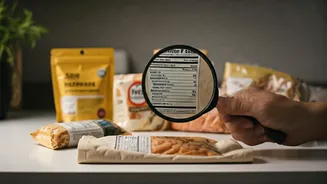
The real story of a snack is on the back of the pack. The FSSAI mandates a nutrition information panel that lists energy (calories), protein, carbohydrates, total sugar, and fat. The first thing to check is the serving size. Manufacturers often list a small, unrealistic serving size to make the numbers look better. If you eat the whole packet, you might be consuming double or triple the calories and sugar listed per serving. Pay close attention to the 'per 100g' column for a more standardized comparison between products. Look at the total fat, saturated fat, and sodium (salt) content, as these are often high in processed snacks.
The Ingredient List: Your Ultimate Truth Detector
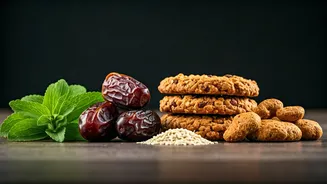
If you read only one thing, make it the ingredient list. By law, ingredients must be listed in descending order by weight. This means the first three ingredients make up the bulk of the product. If sugar, maida, or palm oil are at the top of the list, you know it's not a truly healthy snack. A recent survey showed 61% of Indian consumers prefer snacks sweetened with dates or jaggery over refined sugar, but you have to read the list to confirm. Be aware that sugar hides under many names, such as corn syrup, dextrose, maltose, fructose, and maltodextrin. If a product contains several of these, it is a high-sugar item, even if “sugar” itself is not listed first.
Putting It All Together: A Smart Shopper's Checklist
Becoming a label-checking expert takes practice, but it's simple once you start. First, ignore the flashy claims on the front. Flip the pack and go straight to the ingredient list. Are the first few ingredients whole foods you recognise? Next, scan the nutrition table. Check the serving size and do a quick mental calculation for how much you're likely to eat. Look at the sugar and sodium per 100g. As a rule of thumb, for savoury snacks, fewer ingredients is often better. For any product, if you see multiple types of sugar and processed oils high up on the list, it's a clear signal to put it back on the shelf and look for a better, truly guilt-free option.