



Decoding the Unorthodox Delivery
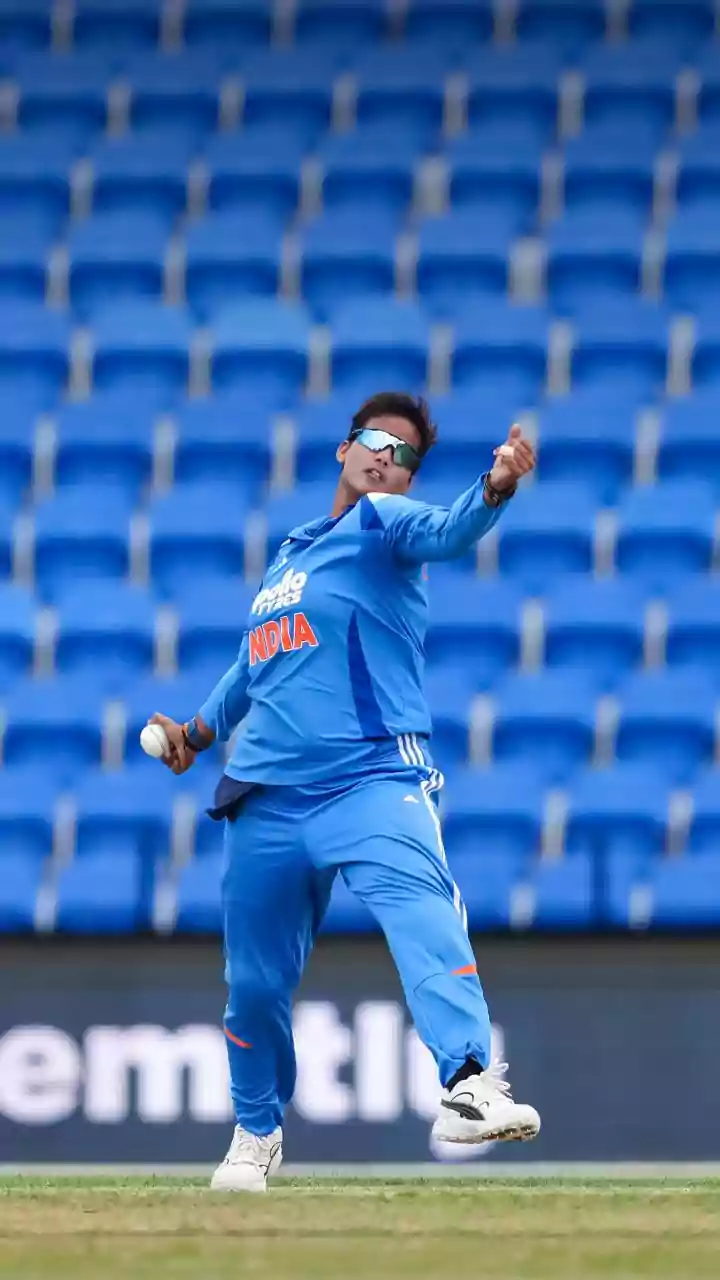
So, what exactly is a chinaman? In simple terms, it is a left-arm wrist-spinner. While a conventional left-arm spinner uses their fingers to turn the ball away from a right-handed batsman, a chinaman bowler uses their wrist to spin the ball into a right-handed batsman.
This direction of turn, from off to leg for a right-hander, is the same as a right-arm off-spinner, but the angle of delivery from the left-arm bowler is what creates the deception. This style is more formally known as left-arm unorthodox spin, a nod to its rarity and deviation from the standard left-arm finger spin.
An Origin Story Steeped in Controversy
The term 'chinaman' has a widely cited, albeit contentious, origin. It dates back to a 1933 Test match between England and the West Indies. Ellis "Puss" Achong, a West Indian bowler of Chinese descent, was playing in the match. Achong, typically a standard left-arm spinner, bowled a surprise wrist-spin delivery that sharply turned into English batsman Walter Robins, getting him stumped. As Robins walked back to the pavilion, he is said to have remarked in frustration, "Fancy being done by a bloody Chinaman!" The term stuck and has been part of cricket's vocabulary ever since, though many today prefer the more descriptive 'left-arm unorthodox spin' due to the racial undertones of the original phrase.
Why Is This Skill So Rare?
The chinaman bowler is a rarity for a simple reason: it's an incredibly difficult skill to master. Firstly, it requires a player to be a left-arm bowler, who are already less common than right-armers. Secondly, they must learn the art of wrist-spin, which is technically more challenging and offers less control than finger spin. Combining these two uncommon traits makes the chinaman bowler an exceptionally rare commodity in the cricketing world. Batsmen are so unaccustomed to facing this style that the sheer unfamiliarity becomes a weapon for the bowler. The unusual angle combined with the unexpected direction of turn can short-circuit a batsman's instincts.
The Tactical Advantage in a Captain's Arsenal
A skilled chinaman bowler offers a massive tactical advantage. Their stock delivery, which spins into the right-hander, is already a challenge. But their most potent weapon is often the 'googly' or 'wrong'un'—a delivery bowled with a similar wrist action that turns the other way, spinning away from the right-hander. This variation makes them incredibly deceptive. For a batting side, the presence of a chinaman bowler disrupts rhythm and forces a complete change in approach. They cannot rely on the muscle memory developed against conventional finger spinners or right-arm leg-spinners, making the chinaman a genuine wildcard in any bowling attack.
Masters of a Rare Craft
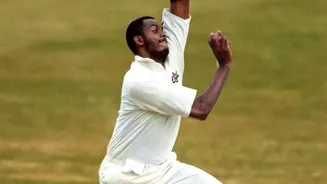
Despite its rarity, cricket has seen some legendary chinaman bowlers. The great West Indian all-rounder Sir Garfield Sobers was perhaps the most famous practitioner, using it as part of his versatile bowling arsenal. In more recent times, Australia's Brad Hogg enjoyed a long and successful career, bamboozling batsmen with his energy and sharp-turning deliveries. South Africa’s Paul Adams was known for his highly unusual, “frog in a blender” action in the 1990s. For Indian fans, Kuldeep Yadav is the most prominent modern example. As India's first male chinaman bowler to play Test cricket, his ability to turn the ball both ways has made him a match-winner on numerous occasions.