





A Major Leap in Connectivity
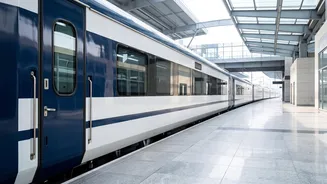
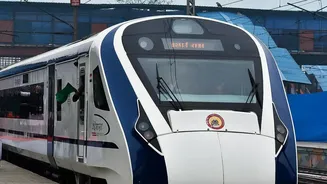
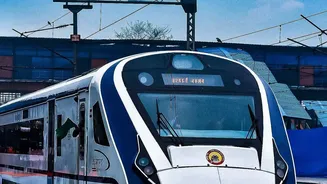
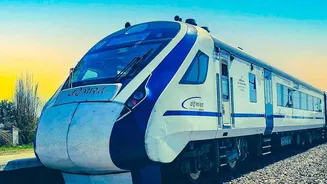
Indian Railways is set to launch the country's second Vande Bharat Sleeper service, connecting Mumbai and Bengaluru. This move marks a significant upgrade in overnight travel between two of India’s most important economic centres. Union Minister of State
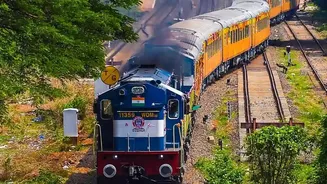
for Railways V Somanna announced the service is expected to commence on November 1, 2026, to coincide with Karnataka Rajyotsava. The new train is projected to cut the journey time by as much as eight hours compared to existing services, which can take between 22 and 24 hours. The Vande Bharat Sleeper will cover the distance in approximately 16 hours, offering a faster, more comfortable alternative to current rail options and long road journeys.
The Strategic Pune-Solapur Route
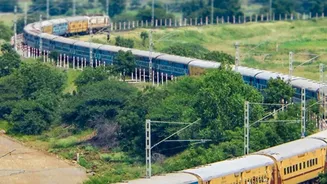
The train will operate via a strategically chosen route that includes key cities in Maharashtra, Karnataka, and Andhra Pradesh. Approved stops include Kalyan, Pune, Solapur, Kalaburagi, Wadi, Raichur, Guntakal, Anantapur, and Dharmavaram, before reaching its destination. This route was selected partly because it features fewer curves and includes sections suitable for higher-speed operations. The inclusion of major hubs like Pune and Solapur not only provides a direct, premium link between Mumbai and Bengaluru but also enhances connectivity for passengers from these intermediate cities, allowing them to reach either metropolis without changing trains. According to railway documents, Solapur and Pune are also designated for watering and other essential service requirements.
Inside the State-of-the-Art Sleeper
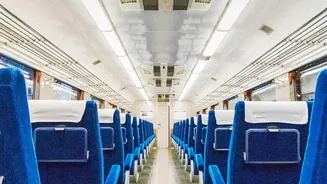
The Vande Bharat Sleeper is designed for long-distance comfort and speed. The 16-coach, fully air-conditioned train has a capacity for 823 passengers. The configuration includes one AC First Class coach with 24 berths, four AC Two-Tier coaches with 188 berths, and eleven AC Three-Tier coaches with 611 berths. The interiors are a significant upgrade from conventional trains, featuring ergonomically designed, better-cushioned berths, individual reading lights, and USB charging ports. Enhanced soundproofing promises a quieter journey, while automatic doors, CCTV surveillance, and sensor-based taps in bio-vacuum toilets add to the modern experience. For safety, the train is equipped with the indigenous Kavach automatic train protection system and an emergency talk-back unit.
What It Means for Travellers
The introduction of this service offers a compelling alternative to both flights and existing trains. For business travellers, saving up to eight hours in transit is a major advantage. For others, the convenience of a comfortable overnight journey that avoids airport transfers and baggage limitations is a significant draw. A key feature that will appeal to many is the elimination of 'Reservation Against Cancellation' (RAC) tickets, which means every passenger is guaranteed a full berth, ending the uncomfortable practice of sharing. While official fares are yet to be announced, indicative pricing based on a per-kilometre structure suggests a competitive rate for the premium amenities offered. The service is proposed to run six days a week, with two trainsets deployed to manage the schedule.