



The Psychology of Texture
At its core, minimalism is about stripping away the non-essential to create a space that feels intentional and serene. But when every surface is flat, smooth, and devoid of character, our senses can feel starved. The human eye and hand are drawn to variation.
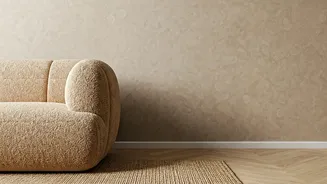
Texture provides this variation, adding visual weight and a tactile dimension that invites you to engage with your surroundings. A nubby wool blanket begs to be touched; a rough-hewn wooden table tells a story of its grain. This sensory feedback makes a space feel lived-in, grounded, and complete, turning an empty-feeling room into a soulful retreat. It’s the difference between a gallery and a home.
Start with Soft Furnishings
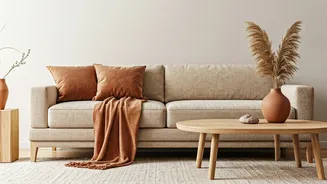
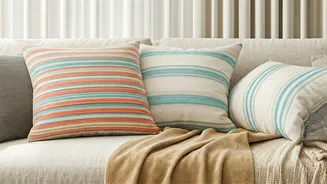
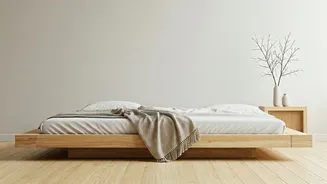
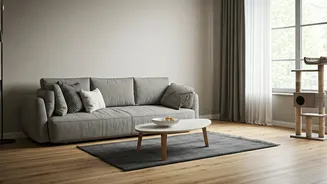
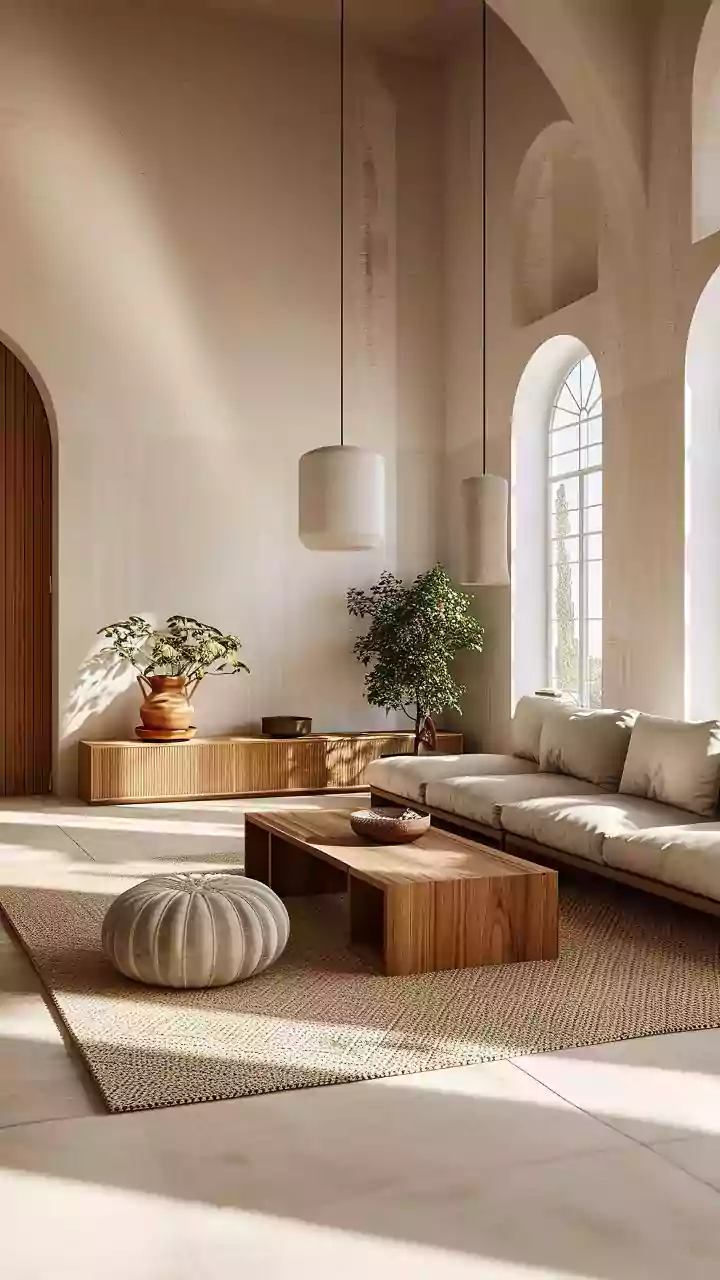
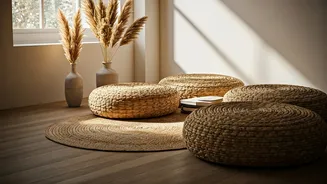
The easiest and most impactful way to introduce texture is through textiles. Think beyond basic cotton. A chunky knit throw draped over a sofa, a set of linen cushions with visible weave, or a high-pile wool rug can instantly transform the feel of a room. In India, we are blessed with a rich heritage of textiles that are perfect for this. Consider a hand-spun khadi bedspread, a jute area rug that adds a rustic, earthy feel, or curtains made from a light, airy mull that filters sunlight beautifully. The key is to layer different types of fabric. The contrast between a smooth leather chair and a coarse woollen cushion creates a dynamic that is both subtle and deeply satisfying.
Embrace Natural Materials
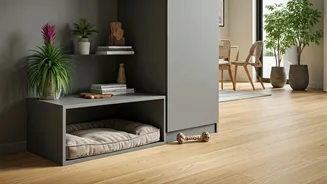
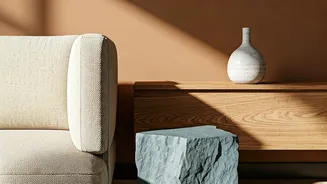
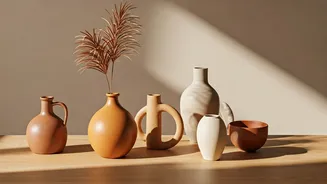
Texture isn’t just about fabric. Hard surfaces play a crucial role. Instead of uniform, high-gloss finishes, look for materials with inherent character. A coffee table made from reclaimed wood with its knots and imperfections, a countertop of veined marble, or flooring with a visible wood grain adds immense depth. Even small decor items can make a big difference. Think about terracotta pots for your plants, a hand-carved wooden bowl on a console table, or coasters made from slate. These elements connect your home to the natural world, breaking up the monotony of manufactured surfaces and providing a sense of organic warmth that is central to comfortable living.
Don’t Forget Your Walls
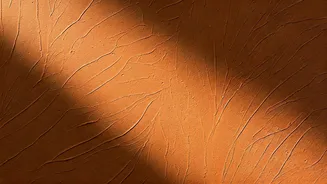
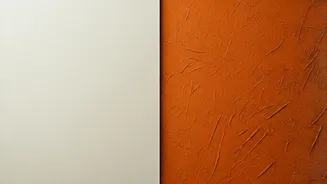
Walls are the largest surface area in any room, but they are often overlooked as a source of texture. A perfectly flat, painted wall is a minimalist staple, but it can also contribute to a sense of emptiness. To counter this without adding clutter, consider a subtle textural treatment. Lime wash (chuna) or plaster finishes, long used in traditional Indian architecture, can give walls a soft, matte, and slightly uneven surface that beautifully catches the light. Other options include grasscloth wallpaper, which adds a fine, woven texture, or even a single accent wall with a subtle geometric pattern that creates depth through shadow and line.
Add Life with Greenery
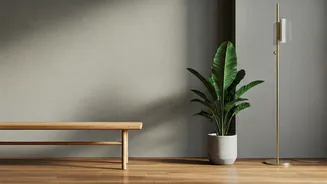
Plants are the ultimate textural accessory. Their organic, irregular shapes provide a perfect counterpoint to the clean lines of minimalist furniture. Every leaf has its own unique texture, from the glossy, waxy surface of a rubber plant to the feathery fronds of a fern. Grouping several plants of different sizes and leaf shapes creates a lush, multi-layered vignette that breathes life into a room. Place a tall fiddle-leaf fig in a bare corner or a trailing pothos on a bookshelf. They not only purify the air but also add a layer of natural, ever-changing texture that prevents any space from feeling static or sterile.