





Understanding the August Outlook
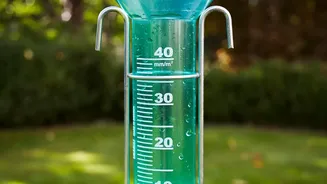
The IMD has forecast that rainfall across India during August 2026 is likely to be 'below normal', which translates to precipitation less than 94% of the Long Period Average. This prediction comes after a monsoon season that has already seen significant
fluctuations, with a deficit in June followed by a strong recovery in July that was, however, unevenly distributed across the country. The primary driver for the expected dip in rainfall is the persistence of moderate El Niño conditions over the Pacific Ocean, a phenomenon often linked to weaker monsoons in India. This forecast for a potentially drier end to the season naturally raises concerns about water availability.
Why Forecasts Are Not the Full Story
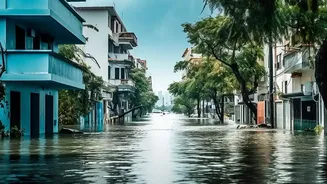
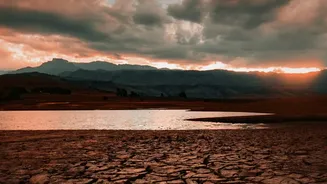
A weather forecast is a projection, not a certainty. More importantly, the impact of rainfall is entirely dependent on the existing conditions on the ground. Think of it like your personal finances: knowing your potential bonus is useful, but it’s far more important to know your current bank balance. A forecast of heavy rain is a blessing for a region with parched, near-empty reservoirs. But that same downpour can pose a serious flood risk to an area where dams are already at full capacity. The forecast tells you what might come; the reservoir level tells you what you have right now. One is a possibility, the other is a reality.
The Crucial Role of Our Reservoirs
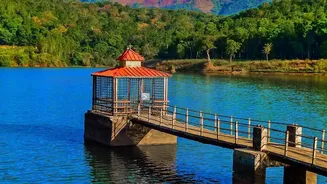
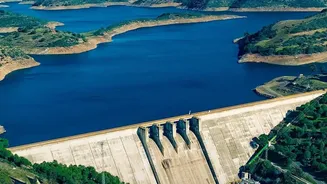
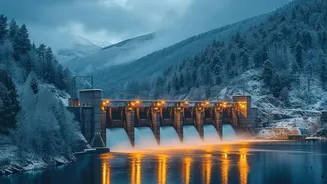
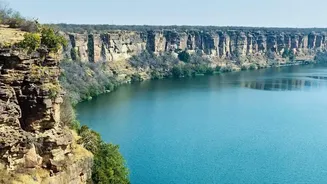
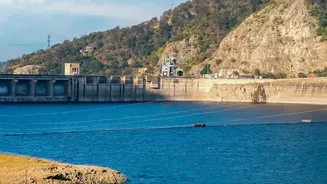
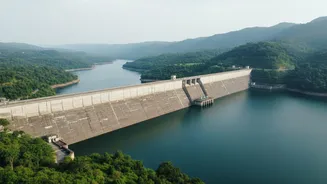
India's reservoirs are the nation's water banks. They store monsoon rainwater, ensuring a steady supply for drinking, agriculture, and industry throughout the year. They also act as a crucial buffer against floods by absorbing excess runoff during periods of intense rain. The Central Water Commission (CWC) monitors the storage status of over 160 of these major reservoirs across the country, providing a comprehensive snapshot of our collective water security. Their levels are the single most important metric for understanding how resilient a region will be to fluctuations in rainfall, whether it’s a sudden deluge or a prolonged dry spell.
A Tale of Two Realities
The importance of local storage is clear in the varied situations across India right now. In Mumbai, for instance, heavy recent downpours have filled the seven supplying lakes to over 90% of their capacity, with three even overflowing. For Mumbaikars, the national forecast of a dry August is less of an immediate concern because their local water supply is secure. Meanwhile, in Karnataka, reservoirs like Kabini and Alamatti are also seeing high inflows due to heavy rain in their catchment areas. This has prompted authorities to release water downstream to Tamil Nadu, a decision based on the immediate reality of their full dams, not just the long-term forecast.
How to Check Your Local Water Bank
Being an informed citizen is easier than you think. The Central Water Commission (CWC) provides regular updates on reservoir levels. The most comprehensive report is the weekly bulletin, which is typically published every Thursday on the CWC website. These bulletins provide state-wise and even individual reservoir-wise storage data, comparing current levels with those from the previous year and the ten-year average. This allows anyone to track the health of the water sources that serve their region, turning abstract weather news into tangible, local information.