
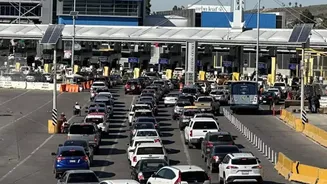
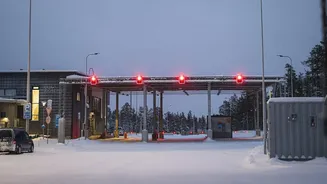
Nepal: The Open-Border Himalayan Neighbour
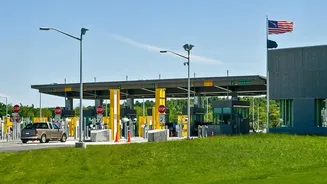
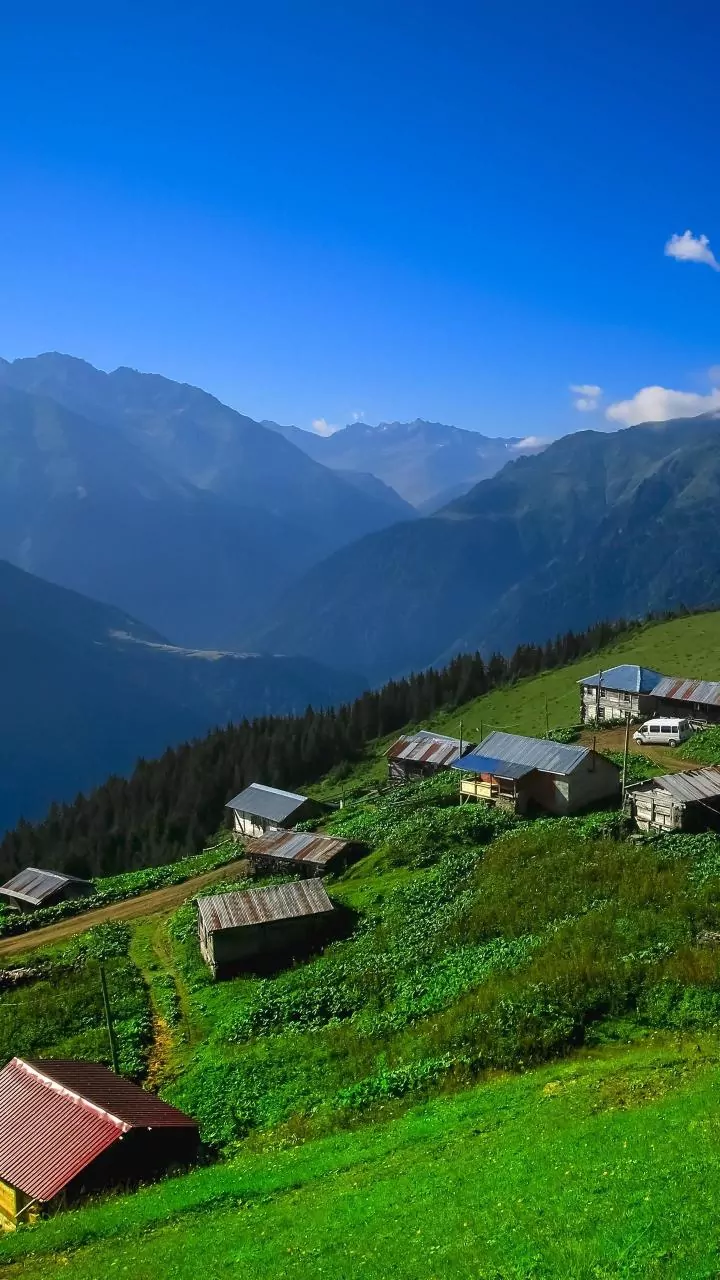
Thanks to the 1950 Indo-Nepal Treaty of Peace and Friendship, the border with Nepal is famously open, making it one of the most accessible international road trips for Indians. No visa is required for Indian citizens. The most popular crossings are Sunauli
(near Gorakhpur, Uttar Pradesh) and Raxaul (Bihar), which lead directly towards the hubs of Pokhara and Kathmandu. The journey offers a dramatic shift in scenery, from the plains of India to the foothills of the Himalayas. For entry, you'll need to prove your nationality. A valid Indian passport or an original Voter ID card are the most reliable documents. While Aadhaar cards might be accepted at some crossings, they are not officially recognised for entry, so it is best not to rely on them. If you're driving your own vehicle, you'll need your registration certificate (RC), driving license, and to pay a daily customs fee for a temporary vehicle pass.
Bhutan: Gateway to the Land of Happiness
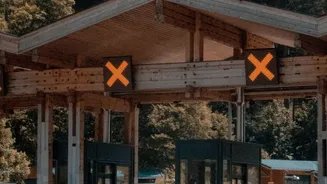
Entering the serene kingdom of Bhutan by road is a unique experience. While not entirely visa-free, the process for Indians is straightforward and doesn't require a pre-arranged visa. The primary land crossing is at Phuentsholing, which sits opposite the Indian town of Jaigaon in West Bengal. The border gate itself is a striking piece of Bhutanese architecture, marking a clear transition between two worlds. To enter, Indian nationals need to obtain an 'Entry Permit', which is issued on the spot at the Phuentsholing immigration office. You must present either a valid Indian Passport with at least six months of validity or an Indian Voter ID card. Other documents like Aadhaar are not accepted. This permit allows travel to Thimphu and Paro. For destinations beyond these cities, a separate 'Route Permit' must be obtained from the immigration office in Thimphu. Indian visitors are also required to pay a daily Sustainable Development Fee (SDF) of ₹1,200 per person.
Myanmar: The Golden Land via the Friendship Road
The India-Myanmar Friendship Road offers a fascinating overland route into Southeast Asia. The main crossing for tourists is at Moreh in Manipur, which connects to Tamu in Myanmar. It's important to note that this is not a visa-free arrangement in the same way as Nepal. Indian citizens require a valid visa to travel into Myanmar's mainland. You can apply for an eVisa online before your trip, which is a relatively simple process. Once you have your visa, the border crossing allows for a seamless transition. For those simply wishing for a taste of Myanmar, a day trip to the Tamu market area is often possible without a full visa, requiring only an ID submission at the border gate. However, for any deeper travel into Myanmar towards cities like Mandalay, the visa and passport are mandatory. The border region itself is a vibrant hub of cross-cultural trade and offers a unique glimpse into the shared heritage of the two nations.
Know Before You Go: Essential Tips
When planning an overland journey, preparation is key. Always carry original copies of your identity documents; photocopies are often not accepted at official checkpoints. For Bhutan, it's wise to carry recent passport-sized photographs for permit applications. If driving a personal vehicle, ensure all your car's documents, including insurance and pollution certificates, are up to date and in the car with you. Border crossing times can be long, especially during peak seasons, so start your day early. The online permit systems, where available like for Bhutan, can help you save significant time at the border. Currency rules also apply; for instance, when travelling to Bhutan, Indian citizens can carry rupees, but there are limits on higher denomination notes. Finally, always check the current status of the border crossing before you travel, as conditions can change.