





What is the Government Considering?
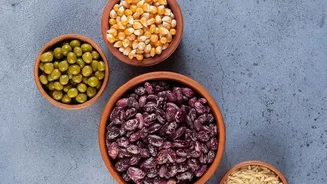
The central issue is whether to adjust import tariffs for pulses. Currently, India has a mixed policy. Imports of tur (pigeon peas) and urad (black gram) are allowed duty-free until March 31, 2027, to ensure availability. However, other pulses like masoor
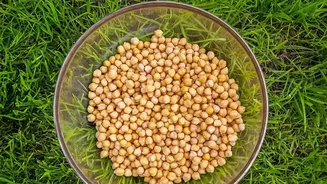
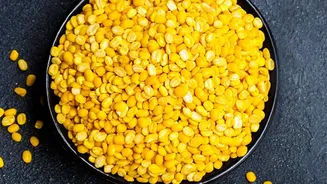
(red lentils) and chana (chickpeas) face a 10% import tax, while yellow peas have a 30% duty. According to sources, the government is debating whether to lower the duties on lentils and yellow peas to make imports cheaper and increase availability in the domestic market. This strategy aims to cool down rising prices, a significant contributor to food inflation.
Why Are Domestic Supplies Under Pressure?
The primary cause is a patchy monsoon. A significant portion of India's pulses are grown in rain-fed areas, making the harvest highly dependent on weather patterns. Key producing states have reportedly received up to 30% less rainfall than average this year, raising serious concerns about crop yields. This shortfall is particularly worrying as it comes ahead of the festive season, a period when demand for pulses like chana traditionally surges. While sowing for some pulses is up from last year, a good harvest is not guaranteed without adequate moisture, putting pressure on existing buffer stocks and the overall supply chain.
The Classic Policy Dilemma
The government faces a classic balancing act: protecting farmers versus ensuring consumer affordability. Lowering import duties would allow cheaper pulses from countries like Canada, Australia, and Russia to enter the market. This would likely bring down retail prices, providing relief to households battling food inflation that has been on an upward trend. However, a flood of cheap imports could also cause domestic farm-gate prices to crash. This would hurt Indian farmers, especially at a time when they are about to start planting the next crop cycle (Rabi). Some reports suggest that chickpeas might be excluded from any duty cuts specifically to encourage farmers to plant more of this crucial pulse.
A Look at the Numbers
India is the world's largest producer, consumer, and importer of pulses. The country’s reliance on imports is significant; in the 2024-25 fiscal year, imports accounted for about 23% of consumption, with India producing 25.7 million tons and importing 7.3 million tons. This dependence makes the country vulnerable to both domestic production shocks and global price fluctuations. Food inflation has been a persistent issue, with economists expecting it to potentially cross 7% by October 2026. Prices for key pulses like tur have remained elevated, making any policy decision on imports a high-stakes affair for the economy.
What Could Happen Next?
The government has not made any formal announcement, and the existing import framework remains in place for now. Any decision will likely wait until there is a clearer picture of the Kharif harvest yields. If supplies appear tighter than expected and prices continue to climb, a reduction in import duties on specific pulses like yellow peas and lentils seems plausible. Conversely, if the government prioritises shoring up domestic prices for farmers ahead of the Rabi sowing season, it may hold off on any cuts. For now, consumers, farmers, and traders are in a wait-and-watch mode, closely monitoring weather patterns, market arrivals, and any official policy signals from New Delhi.