





Picture the Indian hill station getaway: a vibrant, bustling Mall Road, the smell of street food, and a sea of fellow tourists. Now, imagine trading that familiar chaos for the quiet rustle of leaves and dappled sunlight. This is the choice on offer.
The Familiar Comfort of Chaos
For generations, the Mall Road has been the heart of the Indian hill station experience. Originally built during the British colonial era as exclusive promenades for evening strolls, these streets in places like Shimla, Mussoorie, and Nainital have transformed into buzzing commercial hubs. They are an undeniable sensory feast: a kaleidoscope of handicraft shops, historic buildings, cafes serving hot chocolate, and the joyful energy of families and friends enjoying the cool evening air. For many, a trip to the mountains is incomplete without this ritual. It’s a place of connection, commerce, and culture, a vibrant theatre of human activity set against a mountain backdrop. But as visitor numbers swell, this beloved experience is changing. The lively bustle can easily tip into overwhelming crowds, the leisurely stroll into a battle for pavement space, and the mountain quiet into a cacophony of traffic and noise.
An Invitation to the Sal Forest
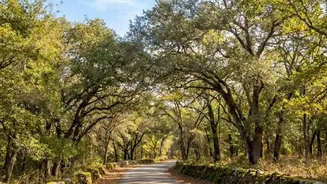
There is, however, an alternative just a few steps away from the main town centres. This is the world of the Sal forest. Found across the foothills of the Himalayas and parts of Central India, these forests are dominated by the majestic Sal tree (Shorea robusta). To walk into a Sal forest is to enter a different state of being. The air immediately feels damp and cooler. The dense, leathery leaves of the towering trees form a high canopy that filters the harsh sun into a soft, shifting light, effectively moderating the temperature on the forest floor. Instead of the din of the market, the soundtrack is the crunch of dry leaves underfoot, the calls of birds like woodpeckers and laughingthrushes, and the gentle rustle of the wind. It’s an environment that asks nothing of you but to be present.
The Science of Serenity
This feeling of calm isn't just a perception; it's backed by science. Numerous studies show that spending time in natural environments, like forests, has measurable psychological benefits. A walk in a forest can decrease feelings of anxiety, fatigue, and confusion while improving mood and vigour. The human brain, often overstimulated by urban and commercial environments, gets a chance to rest and recover, a process known as attention restoration. Being in nature helps lower the body's primary stress hormone, cortisol, which can in turn reduce heart rate and blood pressure. In contrast, navigating crowded, noisy spaces can keep our nervous systems on high alert. The choice between a forest trail and a packed mall is, therefore, a choice between two very different states of mind: one that calms and restores, and one that stimulates and can potentially exhaust.
Finding Your Quiet Corner
The beauty of this alternative is its accessibility. Many of the most popular hill stations are surrounded by these magnificent forests. In Uttarakhand, areas around Dehradun, Rishikesh, and the vast Jim Corbett National Park are dominated by Sal. A simple walk into the forest reserves near these towns can feel like a world away from the peak season rush. Similarly, the forested tracts of Central India, such as those in Kanha and Bandhavgarh National Parks, offer this immersive woodland experience. Even a short detour from the main road can lead you onto a trail where the only traffic is a troop of monkeys or a herd of deer. These are not rugged expeditions requiring special gear, but simple, marked paths that invite you to experience the hills in their most elemental form.