





Showering with contacts in or giving them a quick rinse under the tap might seem harmless, but it's a habit that puts your eye health at serious risk. Water and contact lenses are a dangerous combination that can lead to significant problems.
The Science of Soft Lenses and Water
Think of
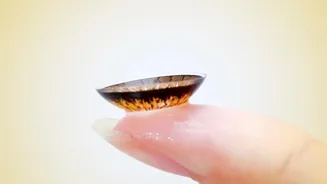
your soft contact lenses as tiny, highly absorbent sponges. They are designed to stay moist and comfortable using the sterile, pH-balanced environment of your natural tears and approved contact lens solution. When you introduce any other kind of water—be it from the tap, a swimming pool, a hot tub, or the ocean—that delicate balance is disrupted. The lens immediately begins to absorb the water, causing it to swell, change shape, and lose its precise fit on your cornea. This can make the lens feel tight and uncomfortable, and a poorly fitting lens can even cause microscopic scratches on the surface of your eye, making it more vulnerable to infection.
The Invisible Threat Lurking in Water
The most significant danger of water exposure is infection. While your drinking water is treated and safe to ingest, it is not sterile. It contains a host of microorganisms, but one is of particular concern to contact lens wearers: Acanthamoeba. This is a naturally occurring amoeba found in virtually all water sources, including tap water, lakes, oceans, soil, and even chlorinated pools and hot tubs. Normally, this organism is harmless. However, if it gets trapped behind a contact lens against your eye, it can cause a severe and extremely painful infection called Acanthamoeba keratitis. This condition is notoriously difficult to treat, sometimes requiring months of intensive therapy, and in serious cases, it can lead to permanent vision loss or the need for a corneal transplant.
Why All Water Is Risky
Many people believe that chlorinated pool water or bottled water is a safe alternative to tap water, but this is a dangerous misconception. The chemicals in a swimming pool are not sufficient to kill all germs, especially the resilient cysts of Acanthamoeba. Likewise, ocean and lake water teem with bacteria and other microbes. Even rinsing your lens case with tap water instead of sterile solution can contaminate it, creating a breeding ground for harmful germs that you then transfer to your lenses and your eyes. The U.S. Centers for Disease Control and Prevention (CDC) and the FDA are unequivocal: contact lenses should be kept away from all types of water to minimise the risk of serious eye infections.
The Physical Damage to Your Lenses
Beyond the risk of infection, water can physically degrade your contact lenses. Tap water contains minerals like calcium and magnesium that can bind to the lens surface, creating deposits. These deposits can make the lenses cloudy, affecting your vision, and cause them to feel scratchy and irritating. The change in the lens's shape from swelling in water can also cause it to stick firmly to the cornea. Attempting to remove a lens that has adhered to your eye can be difficult and risks scratching the cornea, which not only is painful but also creates an entry point for bacteria. Essentially, water compromises both the safety and the function of the lens.
Best Practices for Safe Lens Wear
Protecting your vision is simple with a few key habits. First and foremost, always remove your contact lenses before showering, swimming, or using a hot tub. Never use tap water, bottled water, or saliva to rinse or store your lenses; only use fresh, commercially prepared sterile solution recommended by your eye doctor. Wash and dry your hands thoroughly before handling your lenses. After inserting your contacts, empty your lens case, rinse it with fresh solution (not water), and let it air dry. It’s also recommended to replace your lens case at least every three months. If your lenses are accidentally exposed to water, you should remove them as soon as possible. Discard daily disposables, and thoroughly clean and disinfect reusable lenses overnight before wearing them again.