





From Tourist to Temporary Local
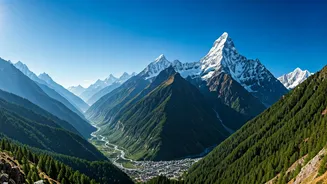
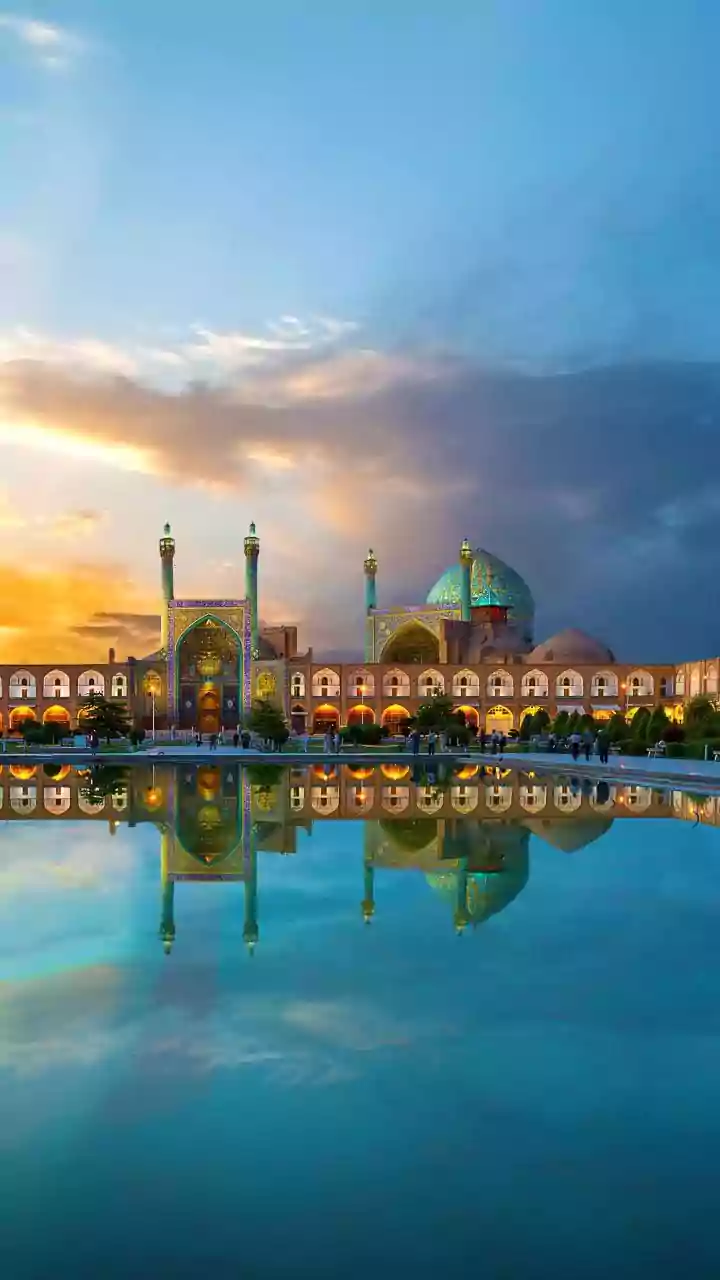
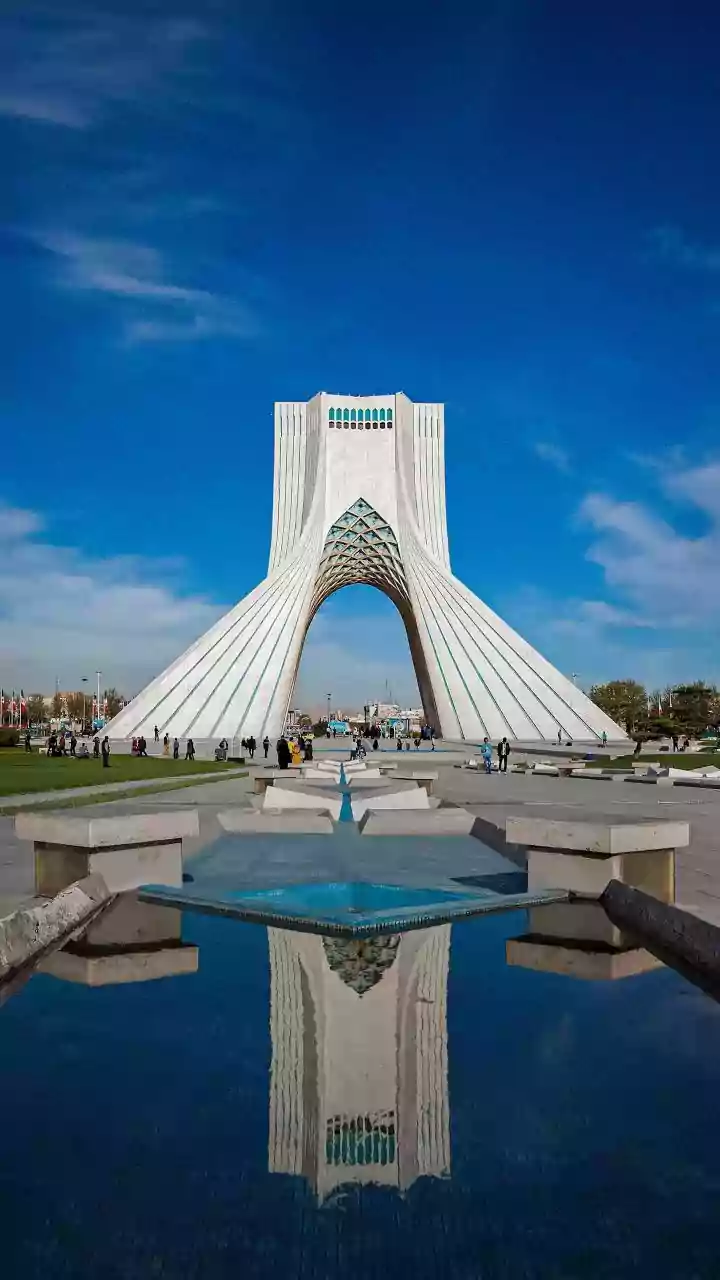
The defining feature of this new travel philosophy is a move away from rushed, checklist-driven tourism. [5] Instead of sprinting through monuments for a quick photo, travellers are opting for longer stays of a week, a month, or even more in a single
destination. [3, 8] This approach, often called 'slow travel', prioritises deep immersion over broad coverage. [11] The goal is no longer just to see a place, but to experience its rhythm, connect with its culture, and live like a local. [11] This shift reflects a growing demand for more authentic and personalised journeys, with travellers seeking meaningful connections with the destinations they visit. [2] Recent reports show a significant turn towards experiences centred on tranquillity, nature, and a simpler pace of life. [9]
The Remote Work Revolution
Perhaps the single biggest driver of this trend is the normalisation of remote and hybrid work. [18] The pandemic untethered millions of Indian professionals from their office desks, giving them the freedom to work from anywhere with a stable internet connection. [18] This has given rise to the 'workation'—a blend of work and vacation. [23] Professionals in tech, creative fields, and freelancing are leading this charge, swapping their city apartments for villas in Goa, homestays in Himachal Pradesh, or even apartments in Bali and Thailand. [4, 7, 18] Destinations like Manali, Rishikesh, and coastal hubs in Goa have become popular domestic choices, offering co-working spaces and cafes with reliable Wi-Fi. [4, 16]
Seeking Deeper, Authentic Experiences
Beneath the practicalities of remote work lies a deeper psychological shift. Burnout is a major factor, with one 2026 survey noting that 70% of Indian Gen Z and millennials reported workplace burnout. [8] In response, travellers are prioritising relaxation and mental well-being over packed itineraries. [5, 9] A recent travel outlook report found that relaxation was the primary travel motive for 67% of Indian respondents. [15] This translates into a desire for experiences that are enriching, not exhausting. Younger travellers, particularly Gen Z and millennials, are driving the demand for immersive, culturally rich journeys, from community-based tourism in rural Uttarakhand to monastery stays in Ladakh. [6, 10] It’s a move away from simply observing a culture to actively participating in it. [2]
Economic and Sustainable Sense
Staying longer in one place can also be more economical. Monthly rental rates for apartments or homestays are often significantly lower per day than nightly hotel rates, making extended stays more affordable. [8] This allows travellers to invest more in local experiences, food, and activities. [19] Furthermore, there is a growing awareness of the environmental impact of travel. Slow travel aligns with principles of sustainability by reducing the carbon footprint associated with frequent flights and transportation. [11] It also promotes a more balanced distribution of tourism revenue, benefiting local communities in regions that were previously off the main tourist trail. [2]