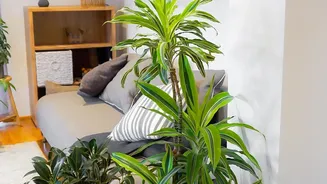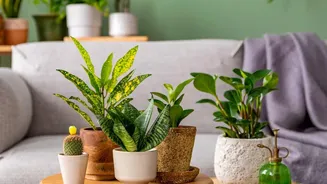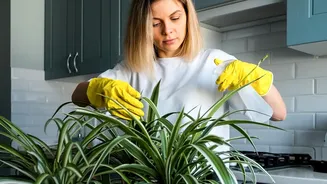

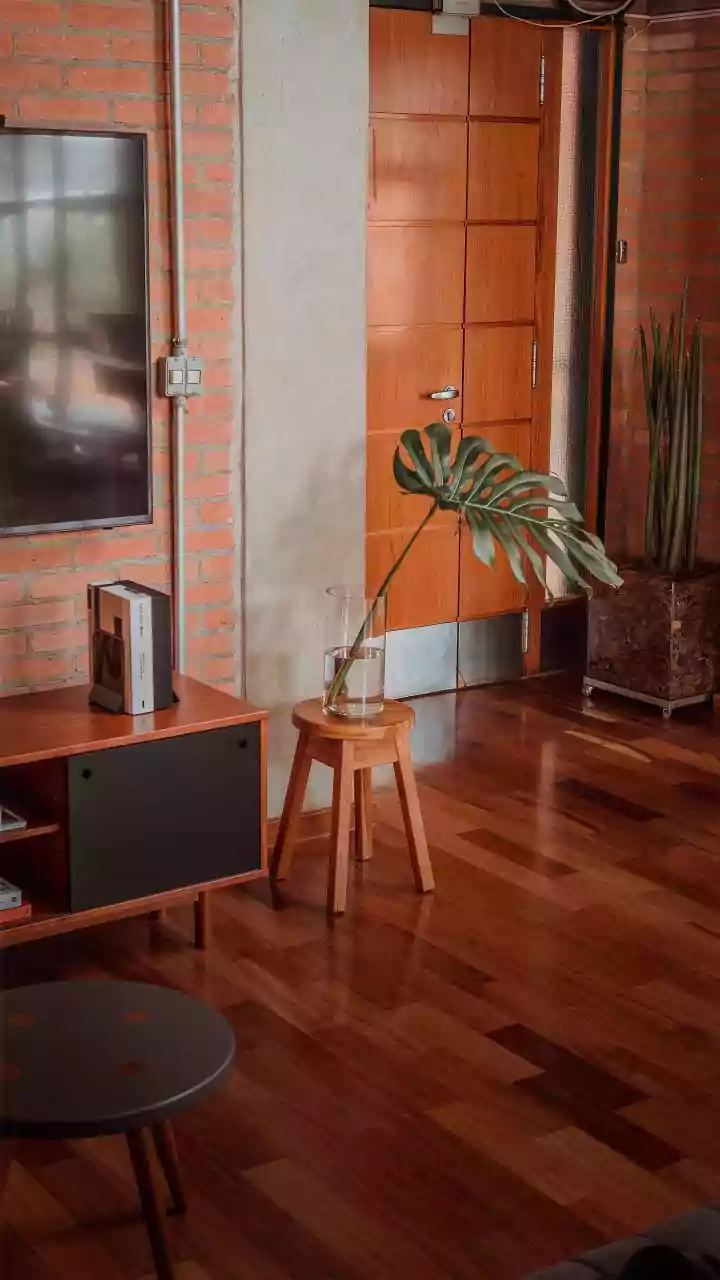




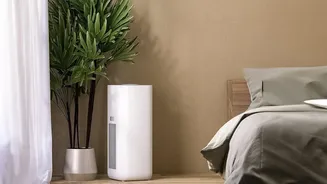
It’s an appealing image: a home filled with lush, green houseplants, each one silently scrubbing the air clean. But while plants are wonderful for our wellbeing, the belief that they can replace a machine is a persistent myth.
The Green Myth's Origin
The popular idea that houseplants
are powerful natural air purifiers stems largely from a well-known NASA study from 1989. The research was conducted to find ways to clean the air in sealed environments, like space stations. In the study, scientists placed common houseplants in small, sealed chambers and injected volatile organic compounds (VOCs) like benzene and formaldehyde. They discovered that over 24 hours, some plants did indeed remove a significant percentage of these chemicals from the chamber. This finding was technically accurate, but one crucial detail is often overlooked: the experiment took place in a tiny, airtight plexiglass box, not a typical, drafty room in a house.
From Lab to Living Room
The reality of a home environment is vastly different from a sealed lab chamber. Your house has a much larger volume of air, plus constant circulation from people walking around, doors opening, and windows leaking. This natural air exchange already removes pollutants far faster than a few plants can. Subsequent research reviews have put the NASA findings into a real-world context, and the results are sobering. One 2019 analysis concluded you would need anywhere from 10 to 1,000 plants per square metre of floor space to match the air-cleaning performance seen in lab studies. That means turning your living room into an impassable jungle of hundreds or even thousands of plants just to make a dent.
Enter the Air Purifier
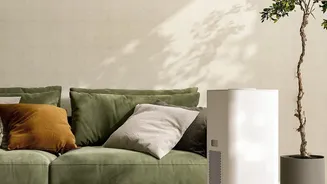
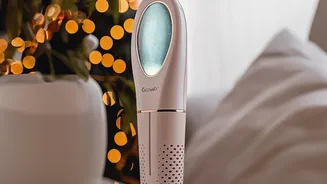
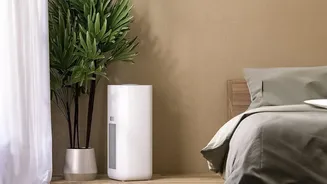
This is where mechanical air purifiers demonstrate their clear advantage. Unlike plants, which are passive, air purifiers actively pull in large volumes of air and force it through a sophisticated filtration system. Most quality purifiers use a multi-stage process. First, a pre-filter catches large particles like dust and pet hair. Then, a HEPA (High-Efficiency Particulate Air) filter traps at least 99.97% of airborne particles down to 0.3 microns in size, including pollen, mould spores, and smoke particulates. Many units also include an activated carbon filter, which is crucial for removing gases and odours. Activated carbon has a porous structure that adsorbs VOCs—the chemical fumes from paint, cleaning products, and furniture—that HEPA filters cannot catch.
A Numbers Game: CADR Explained
To understand the difference in power, we can look at a metric called the Clean Air Delivery Rate (CADR). Developed by the Association of Home Appliance Manufacturers, CADR measures how quickly an air purifier can clean a room of specific pollutants like dust, pollen, and smoke. A typical air purifier might have a CADR of 100 cubic metres per hour or more. In contrast, the effective CADR of a houseplant has been measured at less than 1. This means a standard air purifier cleans the air hundreds, if not thousands, of times faster and more effectively than a plant. The numbers make it clear: when it comes to measurable, significant air purification, there is simply no comparison.
So, What Are Plants Good For?
Dismissing houseplants entirely would be a mistake. While they aren't effective air filtration systems, they offer numerous other benefits that machines cannot. Studies have shown that the presence of indoor plants can reduce stress, boost mood, and improve focus. They add natural beauty and a sense of vitality to a space, contributing to our overall psychological wellbeing. Plants also release a small amount of moisture into the air, which can help regulate humidity. The best approach is to enjoy houseplants for what they truly are: wonderful, living decor that enhances your environment and makes your home a more pleasant place to be, not as a primary tool for cleaning the air you breathe.