





In a world of gleaming, air-conditioned malls offering a predictable sea of global brands, there's a growing hunger for something more. The local bazaar, with its chaotic charm and vibrant energy, offers a compelling alternative for that quest.
The Illusion of Choice in a Sea of Sameness
Modern
retail malls are marvels of convenience. With dozens of stores under one roof, they present what appears to be an endless variety of choices. Yet, a closer look often reveals a curated and controlled landscape. Most malls feature the same major national and international brands, creating a sense of uniformity from one city to the next. While you can find a specific brand in multiple sizes and colours, the products themselves are mass-produced and globally distributed. This leads to a phenomenon of 'homogenized retail', where true distinctiveness is sacrificed for brand consistency. The shirt you buy in a Delhi mall could be identical to one sold in Mumbai or Bangalore, stripping the purchase of any local character or unique story.
The Kingdom of the One-of-a-Kind
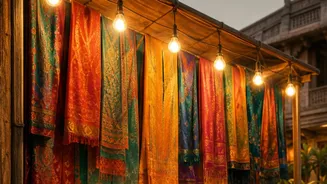
In stark contrast, local bazaars are treasure troves of the unique and unexpected. They are the domain of the artisan, the small-scale producer, and the regional specialist. Here, you can find products that are deeply rooted in local culture and tradition. Think of the intricate handloom sarees of Bengal, the vibrant Bandhani textiles of Rajasthan, or the hand-carved wooden masks of Kerala. These items are not churned out by machines but are often handmade, carrying the imprint of the creator. From Agra's Sadar Bazar, known for high-quality leather goods, to Jaipur's Johari Bazaar, a hub for exquisite traditional jewellery, these markets specialize in crafts honed over generations. This is where you find products with a soul, items that tell a story of place and person.
The Artisan's Story vs. The Brand's Label
Shopping at a mall is often an anonymous transaction. You purchase a product from a brand, a large corporate entity with a logo. In a bazaar, you often have the chance to buy directly from the person who made the item. This direct connection adds a layer of meaning to the purchase. You can hear the story behind the craft, understand the technique, and appreciate the skill involved. These artisans are the backbone of India’s non-farm rural economy, with millions relying on their craft for a livelihood. Supporting them means fostering cultural continuity and empowering local communities. Each handmade garment or piece of pottery carries the emotion and intention of its creator, something a factory-produced item can never replicate.
An Experience, Not Just a Transaction
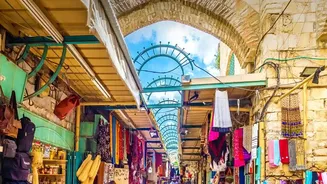
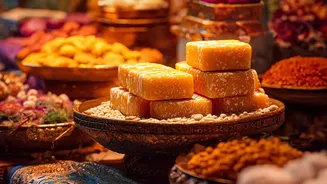
A trip to the mall is often a predictable, climatecontrolled affair. Bazaars, on the other hand, offer a full sensory experience. They are a chaotic, colourful, and vibrant mix of sights, sounds, and smells. The chatter of vendors, the art of haggling, the aroma of street food, and the sheer density of people and products create a memorable atmosphere. It’s an adventure of discovery where you might stumble upon an unexpected gem at a bargain price. This environment encourages exploration and interaction, turning a simple shopping trip into a cultural immersion. While malls are evolving to become 'experience centres' with entertainment and dining, they struggle to replicate the organic, communityled energy of a traditional market.
The Economics of Authenticity
The choice between a mall and a bazaar also has clear economic implications. When you buy from a large retail chain, a significant portion of the profit goes to a corporation, often headquartered far away. When you buy from a local artisan at a bazaar, your money directly supports them, their family, and their community. This helps preserve traditional skills that are at risk of disappearing in the face of mass production. With a growing consumer preference for local, sustainable, and ethicallyproduced goods, bazaars are more relevant than ever. They represent a more sustainable model of commerce that values human connection, cultural heritage, and local economic selfsufficiency.