



The Sunday Game Plan
The secret to a stress-free week of meals is dedicating a few hours on a Sunday to get organised. This doesn't mean you have to cook seven different dishes from start to finish. Instead, focus on 'component prepping'. This involves preparing the building
blocks of your meals—like gravies, cooked dals, and chopped vegetables—which you can then quickly assemble into different dishes each day. A three-hour session is usually enough to set yourself up for the entire week ahead. The goal is to cook smart, not hard.
Hack 1: Master the Multipurpose Gravy
One of the best time-saving tricks in Indian cooking is the base gravy. By preparing a large batch of an onion-tomato masala, you create the foundation for numerous curries. Simply sauté onions until soft, add ginger-garlic paste, and then tomatoes, cooking them down until mushy. Add your basic powdered spices like turmeric, coriander, and red chilli powder. Let this mixture cook until the oil begins to separate. Once cooled, you can store this gravy in an airtight container in the fridge for up to five days. During the week, all you need to do is take a portion, add vegetables, paneer, or legumes, and your curry is ready in minutes.
Hack 2: Batch Cook Your Dals and Grains
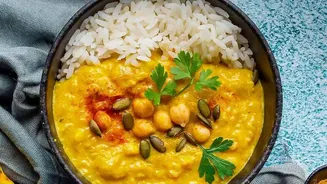
Dals and legumes are the protein powerhouses of a vegetarian diet. Soaking and cooking them daily can be a chore. Instead, pressure cook a large batch of your chosen dals (like toor or moong) and legumes (like chickpeas or rajma) over the weekend. Once cooked and cooled, portion them into smaller containers. One day you can have dal tadka, the next you can use the same dal to make dal parathas or add it to rice for a quick khichdi. Similarly, cook a large batch of basmati rice or quinoa to have ready for the week.
Hack 3: Prep Veggies for Quick Assembly
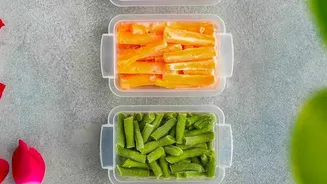
The daily task of chopping onions, tomatoes, garlic, and other vegetables is what often makes cooking feel like a burden. Get ahead by doing all your chopping in one go. Dice onions, chop tomatoes, peel garlic, and cut up sturdy vegetables like carrots, beans, and bell peppers. Store them in separate airtight containers in the refrigerator. This way, when you need to make a quick sabzi or stir-fry, all your ingredients are ready to be tossed into the pan. For leafy greens like spinach, wash and dry them thoroughly before storing in a container lined with a paper towel.
Hack 4: Smart Storage is Everything
Proper storage is crucial to keep your prepped food fresh and safe to eat. Use airtight containers to prevent your food from drying out and to stop odours from spreading in the fridge. Let all cooked food cool down completely before you refrigerate it. Cooked dal and sabzis can typically be stored for 3-4 days in the fridge. Your base gravy can last up to a week. You can also freeze portions of gravy, cooked dal, and even chutneys for a much longer shelf life. Always label your containers with the name of the dish and the date it was made.
Sample Student Meal Ideas
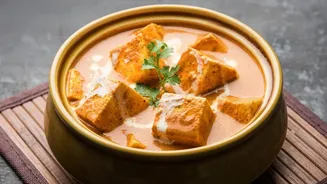
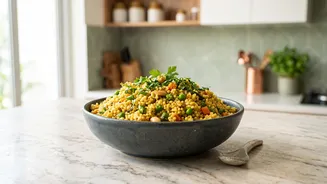
So, how does this all come together? Here’s what a week could look like: - Monday: Use your base gravy to make a quick paneer curry. Serve with your pre-cooked rice. - Tuesday: Heat up your pre-cooked dal and give it a fresh tadka of cumin seeds and garlic. Have it with roti and a simple salad using your chopped veggies. - Wednesday: Make a quick vegetable pulao by stir-frying your chopped veggies with the pre-cooked rice and some spices. - Thursday: Use the base gravy again, but this time with boiled chickpeas to make chana masala. - Friday: Create a simple stir-fry with leftover vegetables and some tofu or paneer.