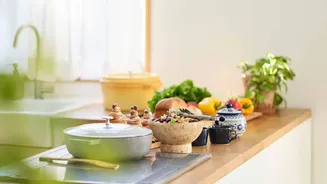


The weekday rush can turn meals into a stressful affair. But what if you could reclaim your mornings and evenings? Batch cooking is a simple strategy to ensure delicious, home-cooked meals are always ready, even on the busiest of days.
Why Batch Cook Together?
The benefits of
batch cooking extend beyond just having food ready. For working couples, it's a powerful tool to reduce the daily 'what's for dinner?' debate, saving both time and mental energy. Studies show that cooking at home leads to healthier eating habits with fewer calories. By planning and cooking in bulk, you can significantly cut down on food costs and waste, and free up valuable time during the week for other activities. Think of it as a shared project that streamlines your week and makes healthy eating the easy option.
Your Weekend Game Plan
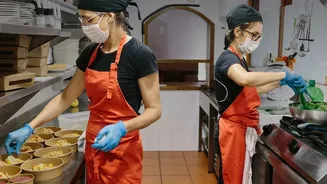
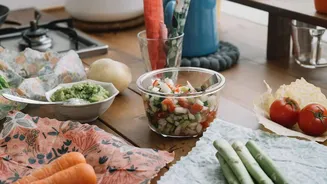
The key to successful batch cooking is a simple, repeatable plan. Set aside a couple of hours over the weekend. First, decide on your meals for the week together. Create a shared grocery list to ensure you have all ingredients, which helps prevent last-minute store runs. Then, divide the tasks. One person can handle chopping vegetables while the other prepares marinades or spice mixes. You can either cook full meals to be reheated later or prepare individual components—like cooked grains, chopped vegetables, and pre-cooked proteins—that can be assembled into different meals throughout the week.
Easy Breakfast Ideas
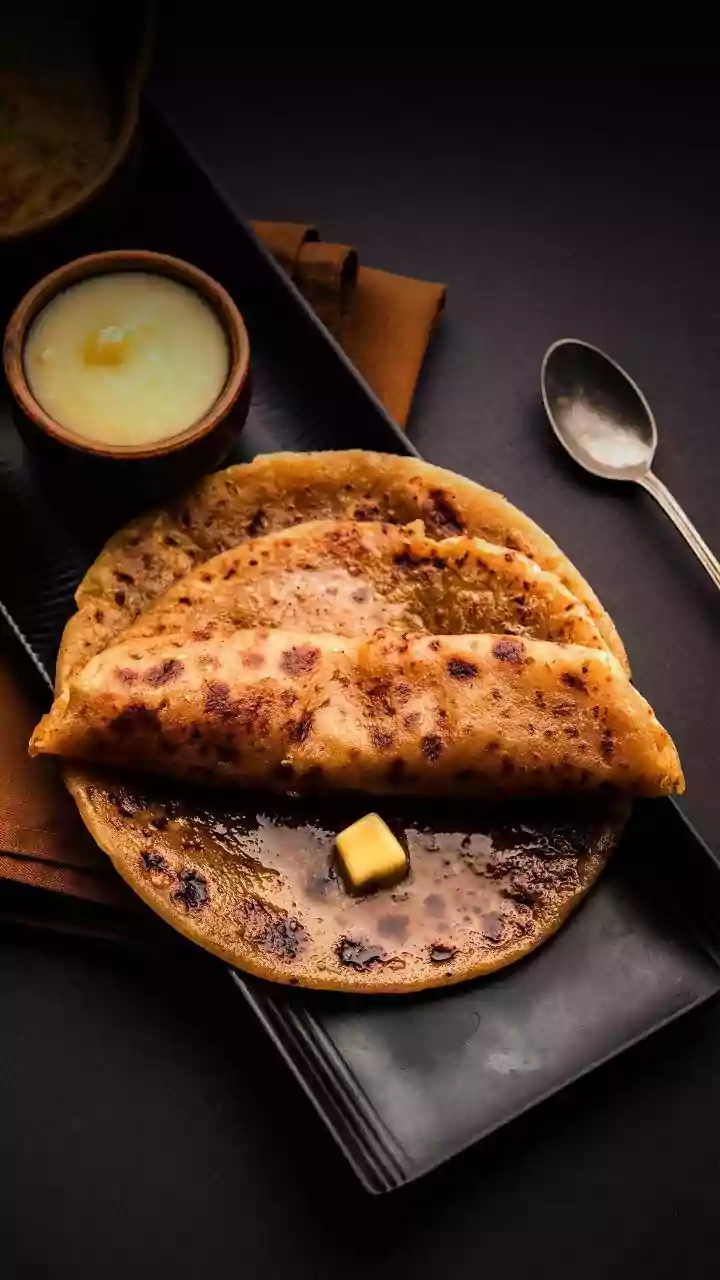
Mornings are often the most rushed part of the day. Having breakfast prepped makes a huge difference. You can prepare a large batch of batter for dishes like dosa or uttapam and store it in the fridge. Dry-roasting semolina for upma or making a poha mix can cut morning cooking time to just a few minutes. Other quick options include overnight oats, which just need to be taken out of the fridge, or pre-made paratha stuffings that can be quickly rolled and cooked. Even having a pot of freshly made chutney ready can elevate a simple toast into a quick, flavourful meal.
Simple Dinner Solutions
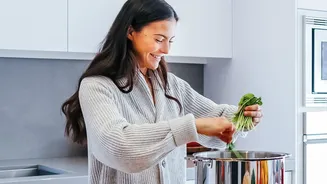
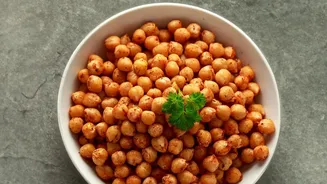
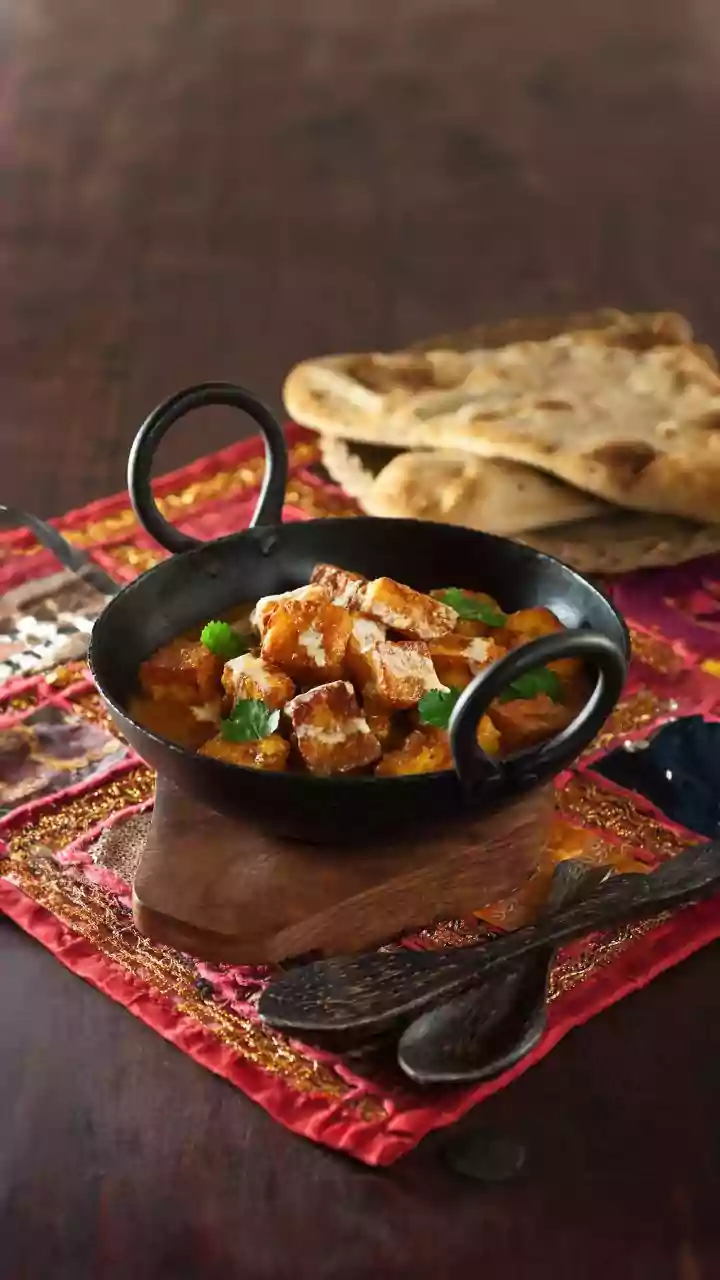
For dinners, focus on creating versatile components. Cook a large batch of a base grain like rice or quinoa. Prepare a foundational curry or masala base that can be adapted with different vegetables or proteins. For example, a simple tomato-onion masala can become the starting point for a paneer dish one night and a chickpea curry the next. Dal is another excellent dish to make in a large quantity. You can boil a large pot of lentils and then temper smaller portions with different spices each night for variety. Roasting a tray of mixed vegetables provides a readynded side dish for several meals.
Smart Storage and Safety
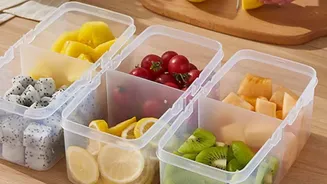
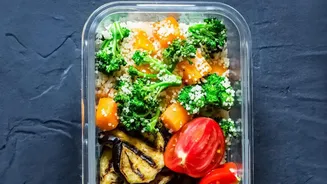
Proper storage is crucial for keeping your batch cooked food fresh and safe. Always let food cool down before refrigerating or freezing to prevent bacteria from growing. Use clear, airtight containers so you can easily see what you have. Glass containers are great as they can often be used for both storing and reheating. Label everything with the name of the dish and the date it was made. Most cooked meals will last 3rd day in the refrigerator. For longer storage, the freezer is your best friend. Soups, stews, and dals freeze exceptionally well.