






What Exactly Is a Wardrobe-Gap List?
Think of it as a strategic shopping list for your closet. It’s not a list of fleeting trends you want, but a specific, curated list of items you genuinely need to make the clothes you already own more functional. A wardrobe gap is the missing piece that
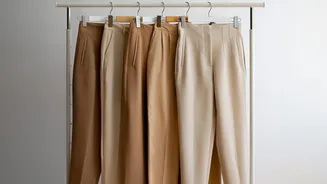
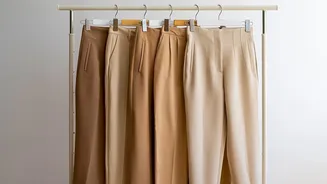
would tie multiple outfits together. For example, you might have several great tops for work, but if you don’t have the right pair of smart trousers, those tops go unworn. That missing pair of trousers is your wardrobe gap. The list forces you to think like a stylist for your own life, focusing on building cohesive outfits rather than collecting random items.
Your New Defence Against Trend Overload
Fast fashion thrives on creating a sense of urgency. New collections, often referred to as 'drops', now happen weekly or even daily, making shoppers feel they’ll miss out if they don't buy immediately. This cycle encourages impulse purchases that don't align with your personal style or existing wardrobe. A gap list acts as your anchor in this storm of newness. Before you even click on a sale or browse a 'new in' section, you consult your list. If the trendy item catching your eye isn't on your pre-vetted list of needs, you have a clear, logical reason to skip it. This simple habit shifts you from being a reactive consumer to a proactive curator of your closet.
Step 1: Audit Your Current Wardrobe
To know what’s missing, you first need a clear picture of what you have. Take some time to go through your closet category by category: tops, trousers, jeans, dresses, outerwear, and shoes. Be honest about what you actually wear. If an item hasn't been worn in over a year, ask yourself why. Does it fit poorly? Is it not your style anymore? Does it have nothing to go with? This last question is key to identifying gaps. Seeing your clothes laid out will also reveal imbalances—like owning 15 statement tops but only one pair of versatile jeans.
Step 2: Identify Your Lifestyle Needs
A functional wardrobe has to work for your actual life, not an imaginary one. Think about how you spend your time in a typical month. What percentage of your time is spent at work, at home, socialising, or at formal events? Now, look at your wardrobe audit. Does your closet’s inventory reflect your lifestyle? If you spend 80% of your time in a casual office but 80% of your clothes are for evenings out, there’s a major disconnect. This is where you’ll find your most significant gaps. You might realise you need more smart-casual tops or a reliable pair of everyday flat shoes.
Step 3: Create and Maintain Your List
Now, start writing it down. Create a list on your phone's notes app for easy access while you're out. Be as specific as possible. Instead of just writing "jeans," write "high-waisted, straight-leg jeans in a dark wash." Instead of "jacket," specify "a tailored black blazer to wear with jeans and dresses." This clarity prevents you from settling for a so-so item just because it's on sale. Your list is a living document. Once you buy an item that fills a gap, cross it off. If you notice a new, recurring gap—like constantly wishing you had a specific type of bag—add it to the list.