


The Science of Better Memories
Why does a week spent on a beach lounger sometimes blur into a single, hazy memory? The answer lies in how our brains form lasting recollections. Passive activities, while relaxing, don't always challenge our minds or bodies in a novel way. We consume
a view, a meal, or a book, but we don't necessarily create a new neural pathway. In contrast, active experiences—those that require our focus, engagement, and even a little bit of effort—force our brains to pay attention. Learning a new skill, navigating an unfamiliar trail, or trying to communicate in a new language creates what psychologists call 'effortful processing.' This effort is the very thing that cements a memory, making it vivid, detailed, and durable. You're not just an observer; you are a participant in your own story.
Redefining 'Active'
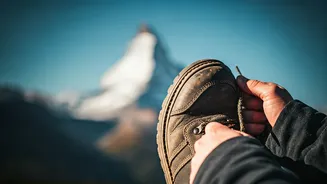
When we say 'active,' it's easy to picture trekking up a mountain or running a marathon. While those certainly count, the concept is far broader and more accessible. An active experience is anything that pulls you out of the role of a passive consumer and into the role of a creator, a learner, or an explorer. It’s the difference between watching a chef cook on TV and taking a cooking class yourself. It’s the difference between looking at pottery in a shop and sitting down at the wheel to shape your own clay. The key ingredient is engagement. The goal isn't exhaustion; it's immersion. An active holiday is less about physical exertion and more about mental and emotional investment. It’s about choosing to do, not just to see.
Engage Your Creative Side
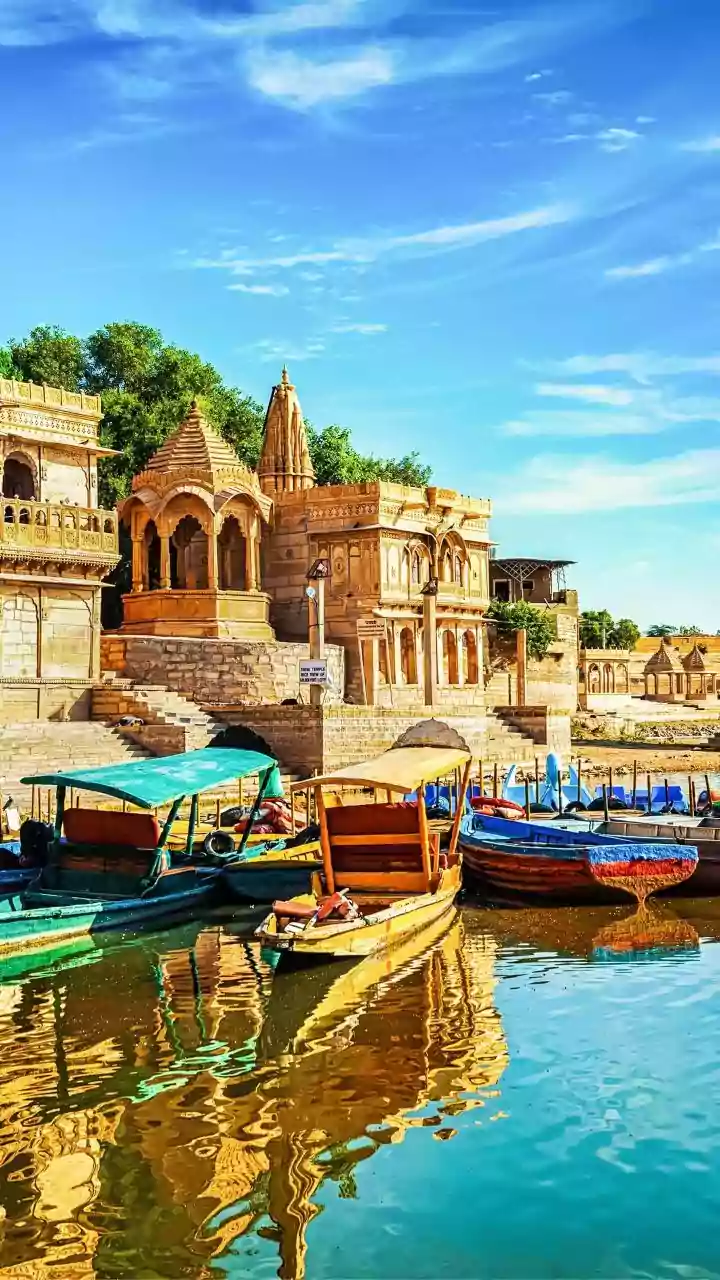
One of the most rewarding ways to make a holiday active is to learn a local craft. These experiences connect you to the culture of a place on a much deeper level. Imagine spending a few days in Rajasthan learning the art of block printing from a family that has practised it for generations. Or heading to the villages around Santiniketan in West Bengal to try your hand at Kantha embroidery. In the South, you could take a multi-day cooking course in Chettinad to master its complex spice blends, or learn the basics of Kathakali makeup in Kerala. These aren't just souvenirs you buy; they are skills and stories you bring home with you. You don't just see the culture; you participate in its creation.
Move with Purpose
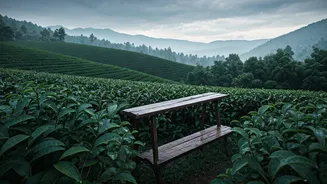
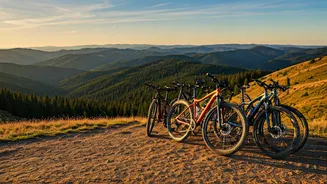
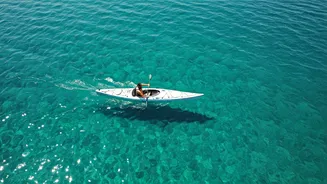
For those who find joy in movement, an active holiday can be a refreshing alternative to a typical gym routine. This doesn't have to mean a gruelling boot camp. Consider a mindful yoga and meditation retreat in Rishikesh or the serene hills of Dharamshala, where the focus is on reconnecting with your body and breath. Explore the backwaters of Goa or Kerala by kayak, discovering hidden corners inaccessible by road. Take a multi-day guided cycling tour through the tea plantations of Munnar or the coastal roads of Puducherry. These activities combine physical movement with a profound sense of place, allowing you to experience the landscape intimately rather than just viewing it from a car window.
Connect with a Community
Perhaps the most powerful active experiences are those that involve human connection. So-called 'voluntourism' allows you to contribute to a local project, whether it's a conservation initiative in a national park or a community-building project in a rural village. While it requires careful research to find ethical and impactful organisations, the reward is immense. A less intensive but equally enriching option is a farm stay. In places like Sikkim, Punjab, or the coffee estates of Coorg, you can live with a family, participate in daily chores, and understand the rhythms of rural life. You’re no longer a tourist passing through; you’re a temporary member of a community, sharing meals, stories, and a way of life.