





The Insurance You Cannot Ignore
Your physical well-being is your most important asset. Most major delivery platforms in India now provide some form of insurance, but the details vary significantly. The first thing to check is accidental insurance. Does the company offer it, and what
is the coverage amount for hospitalisation, disability, or, in the worst case, death? Major platforms like Zomato and Swiggy typically offer accidental death coverage ranging from ₹5 lakh to ₹10 lakh and medical expense coverage between ₹1 lakh and ₹2 lakh for on-duty incidents. It is essential to understand what 'on-duty' means; usually, it's the time from when you log in to the app until you log off. Accidents outside this window are generally not covered. Also, check if this insurance is provided free of cost, as most aggregators now pay the premium themselves. Some companies, like Zomato, have also introduced maternity benefits for their women delivery partners. However, be aware that some platforms may link comprehensive benefits to performance tiers, meaning your level of coverage could change weekly based on your targets.
Understanding Accident Support and Loss of Pay
An accident means more than just medical bills; it means lost income while you recover. This is where accident support policies become critical. Check if the company offers a 'loss of pay' benefit. Both Zomato and Swiggy, for example, provide a daily cash allowance to cover your earnings for a limited period if a doctor recommends rest after an accident. This can provide a crucial financial cushion when you are unable to work. The claim process is another vital area. Find out what documents are needed. Typically, this includes an FIR copy for road accidents, hospital discharge papers, all medical bills, and sometimes even screenshots from the app to prove you were on duty. Know where to find the policy number and the insurer's name within the delivery app itself — don't wait for an emergency to search for it. Some state governments are also stepping in to provide additional support, but these schemes are still evolving and may require separate registration.
Scrutinising Safety Policies and Training
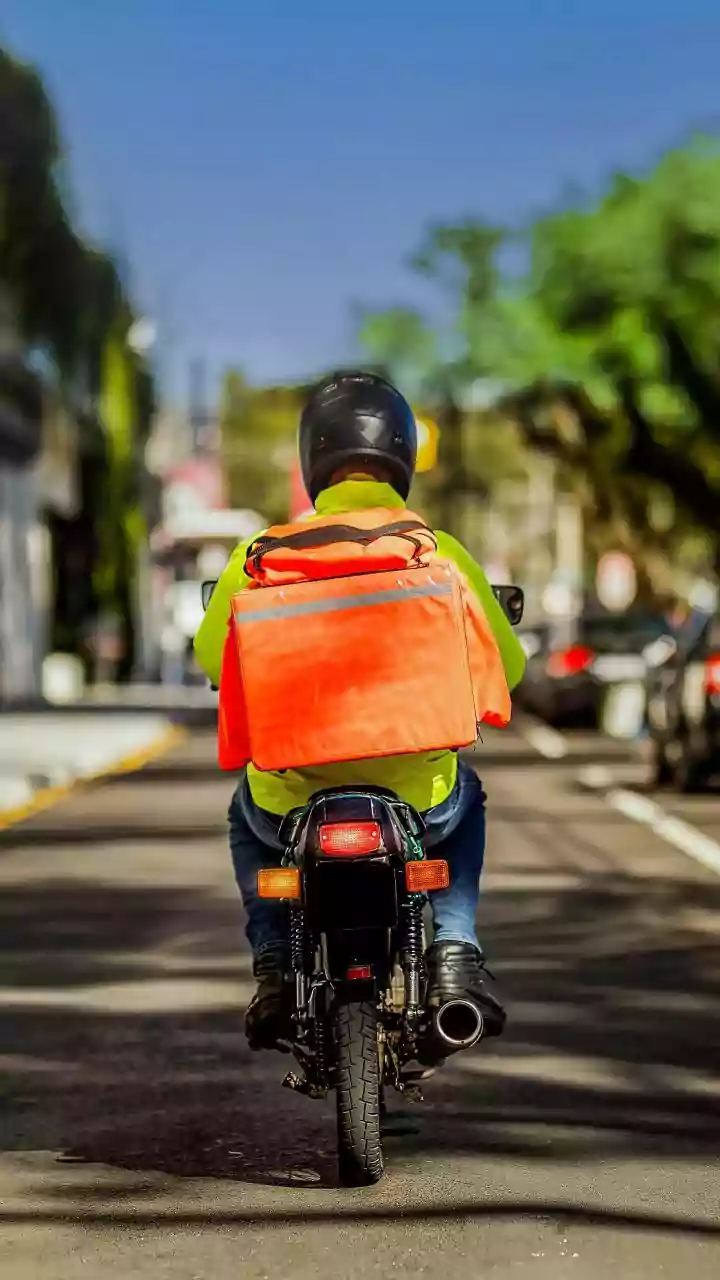
The pressure to deliver quickly during the festive rush increases risks on the road. A responsible company should have clear safety policies in place. Do they provide any safety gear, such as weather-appropriate jackets with reflective strips for better visibility at night? Do they offer any form of safety training during onboarding? This could cover defensive driving, handling difficult weather conditions, and emergency response protocols. Some platforms are also using technology to enhance safety, such as documenting dangerous road stretches and re-routing partners to avoid them. Others have introduced protocols to manage extreme weather, like restricting deliveries during peak heat hours in summer. A company's policy on delivery targets and deadlines also speaks volumes about its commitment to safety. Unrealistic pressure can lead to risky driving behaviour. Look for platforms that empower riders to report safety concerns and prioritise well-being over speed.
Your Rights and the Bigger Picture
The legal landscape for gig workers in India is changing. The Code on Social Security, 2020, formally recognises gig and platform workers, creating a pathway for social security benefits like accident insurance, health cover, and old-age protection. Companies (aggregators) are now required to contribute a percentage of their turnover to a social security fund for workers. However, there are eligibility criteria, such as needing to be engaged with a platform for a minimum number of days in a year to qualify for these government-mandated schemes. It is also important to register on government portals like e-Shram, which creates a national database of unorganised workers and helps in accessing welfare schemes. While platform-provided insurance is the first line of defence, these broader legal rights are building a more secure future for gig workers. Knowing your rights can empower you to demand better conditions and hold platforms accountable.