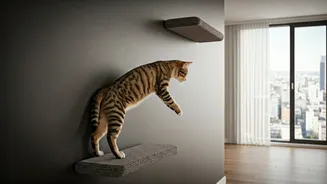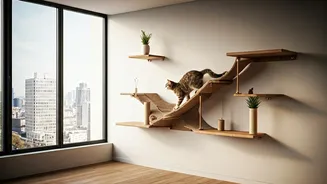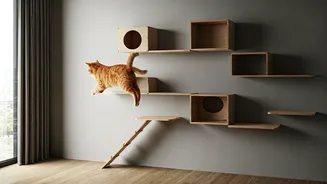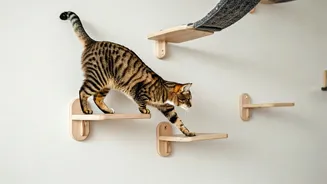



Why Vertical Space is a Cat’s Best Friend
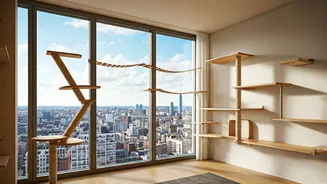
In the wild, cats are climbers. This instinct doesn't disappear just because they live on the 15th floor. Providing vertical space taps into their natural desire to survey their territory from a high vantage point, giving them a sense of security and
control. For shy cats, a high perch is a safe retreat from household activity. For active cats, it’s a jungle gym that encourages exercise, preventing boredom and a sedentary lifestyle. In a multi-pet household, vertical territory can reduce conflict by allowing cats to establish their own zones. Essentially, by building upwards, you are expanding your cat's world within the same square footage, leading to a happier, healthier, and more stimulated companion.
Planning Your Cat Superhighway
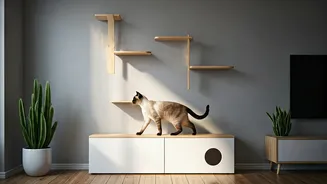
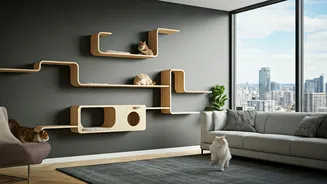
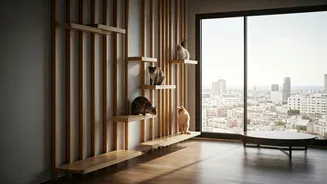
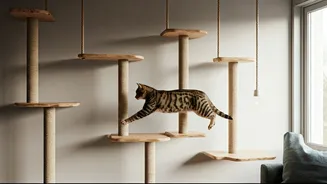
Before you start drilling, take a moment to think like a cat. A good cat highway has clear paths, multiple entry and exit points, and desirable destinations. Look at your walls and identify a potential route. Can a series of shelves lead from the side of a bookshelf to a sunny window ledge? Could a path run above a doorway, connecting two parts of a room? The ideal setup allows your cat to navigate a significant portion of the room without touching the floor. Make sure the shelves are spaced appropriately for your cat’s agility — typically no more than a foot or two apart horizontally and vertically. The goal is a confident leap, not a dangerous guess. Sketch out a simple plan on paper to visualise the flow before you commit.
Choosing the Right 'Soft' Shelves
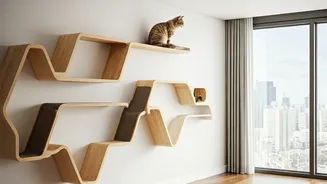
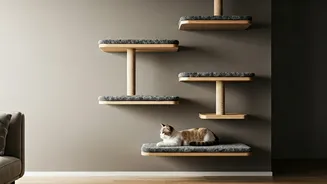
The “soft” in soft cat shelves is crucial for both comfort and safety. A bare, painted shelf can be slippery and uninviting. The solution is to add a layer of texture that provides grip and a cosy spot for a nap. You have several options: * **Carpet Remnants:** Inexpensive and durable. You can often get small offcuts from local flooring shops. Use a strong, non-toxic adhesive to glue a piece of low-pile carpet to the top of a standard wooden shelf. * **Fleece or Faux Fur:** For a plusher feel, you can wrap shelves in soft fleece fabric. Use a staple gun on the underside of the shelf to secure the fabric for a clean, tight fit. This also allows you to choose colours that match your decor. * **Yoga Mats:** An unconventional but effective choice. A cut-to-size yoga mat provides excellent grip and a bit of cushioning. It’s also easy to wipe clean. * **Pre-made Cat Shelves:** Many companies now offer modular cat shelves that come with pre-attached carpet or fabric pads, often removable for easy washing.
Installation: For Renters and Owners
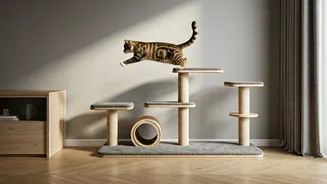
Installing shelves in a high-rise apartment comes with its own set of rules. If you own your flat, your main concern is finding the wall studs to ensure the shelves are secure enough to hold your cat’s weight, especially during energetic leaps. A stud finder is an essential tool. Use heavy-duty brackets and screws appropriate for your wall type. For renters, drilling may not be an option. But you can still create a vertical paradise. Consider these no-drill solutions: * **Tension Rods:** Use heavy-duty, floor-to-ceiling tension poles (often sold as part of shelving or workout systems) as the backbone for your structure. You can clamp shelves onto these poles. * **Tall, Sturdy Furniture:** A tall, stable bookshelf or cabinet can be the anchor of your cat highway. Place it strategically and add shelves that lead up and away from it. Ensure the furniture piece is weighted at the bottom or anchored to prevent tipping. * **Cat Trees and Condos:** The classic solution. A tall cat tree can serve as the starting point or centrepiece of a larger network of shelves and perches.
Integrating Style with Feline Function
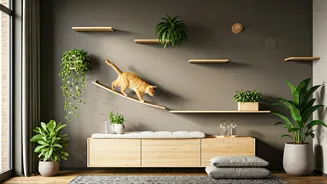
Cat furniture doesn't have to be an eyesore. With a little thought, your cat shelves can become a stylish design element. Choose shelf wood or paint colours that complement your existing furniture. Select fabric or carpet coverings that match your colour scheme. A series of sleek, floating shelves with a dark wood finish and a neutral grey carpet can look modern and intentional. You can also integrate small plants (ensure they are non-toxic to cats) or decorative objects on shelves that are part of the 'scenery' rather than the direct path. The key is to make the installation look deliberate and integrated, transforming a purely functional cat accessory into a piece of architectural interest.