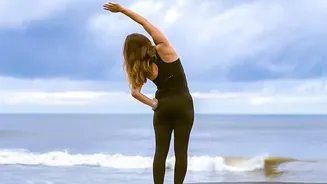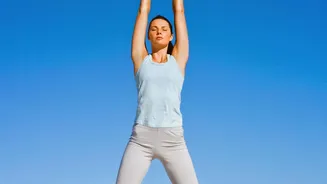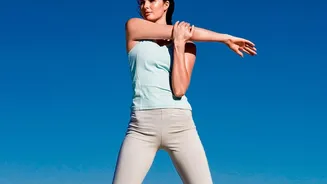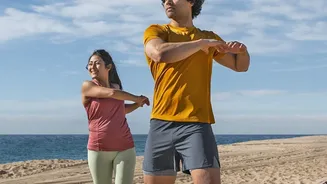







Starting an exercise routine is exciting, but the fear of joint pain can hold you back. The secret isn't to avoid movement, but to choose smarter, gentler activities that build strength and fitness without straining your body.
Why Low-Impact Is Your Best Friend
Low-impact exercise is any
movement that keeps at least one foot on the ground, or where your body is supported, meaning less force is placed on your joints like the knees, hips, and ankles. These activities are perfect for beginners, people with joint pain or arthritis, or anyone recovering from an injury. They strengthen the muscles around your joints, which act like natural braces to provide support, reduce stiffness, and improve flexibility, all while lowering the risk of injury.
Swimming: The Ultimate Joint-Friendly Workout
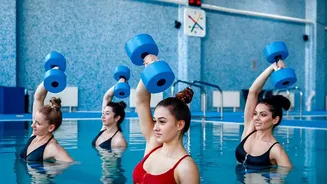
Exercising in water is one of the most joint-friendly activities you can do. The water’s buoyancy supports your body weight, removing almost all impact from your joints. This makes swimming or water aerobics ideal for anyone with arthritis or stiffness. The water provides gentle resistance, which helps strengthen muscles all over your body, improves circulation, and can increase your range of motion over time. Even just walking in the pool is a great way to start.
Walking: Simple, Accessible, and Effective
Walking is perhaps the most accessible low-impact exercise. It’s free, can be done anywhere, and is an excellent way to improve cardiovascular health and strengthen bones and muscles. To protect your joints, start with short 10-15 minute walks on flat surfaces and wear supportive shoes. As you get stronger, you can gradually increase your duration or pace. For a bigger challenge, try walking up gentle hills.
Cycling: A Smooth Ride to Fitness
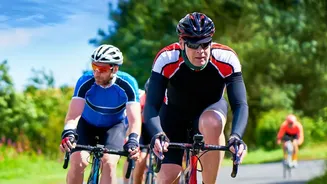
Whether on a stationary bike or outdoors, cycling is a fantastic low_impact cardio workout that builds leg strength without pounding your joints. It’s particularly gentle on the knees and ankles. When starting, make sure your bike seat is adjusted correctly to avoid strain. You should have a slight bend in your knee at the bottom of the pedal stroke. Begin with short sessions and gradually increase the resistance or time as your fitness improves.
Gentle Yoga: For Flexibility and Balance
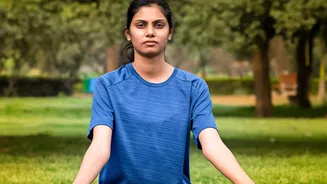
Yoga is a brilliant way to improve flexibility, balance, and strength using slow, controlled movements. Poses like Cat–Cow, Bridge Pose, and Child’s Pose help increase the range of motion in your joints with minimal pressure. Many beginner poses focus on lengthening tight muscles in the hips and hamstrings, which can become stiff from prolonged sitting. Look for beginner or gentle yoga classes, and don't be afraid to use props like blocks or blankets for support.
Strength Training: Build Your Body’s Support System
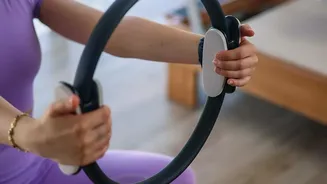
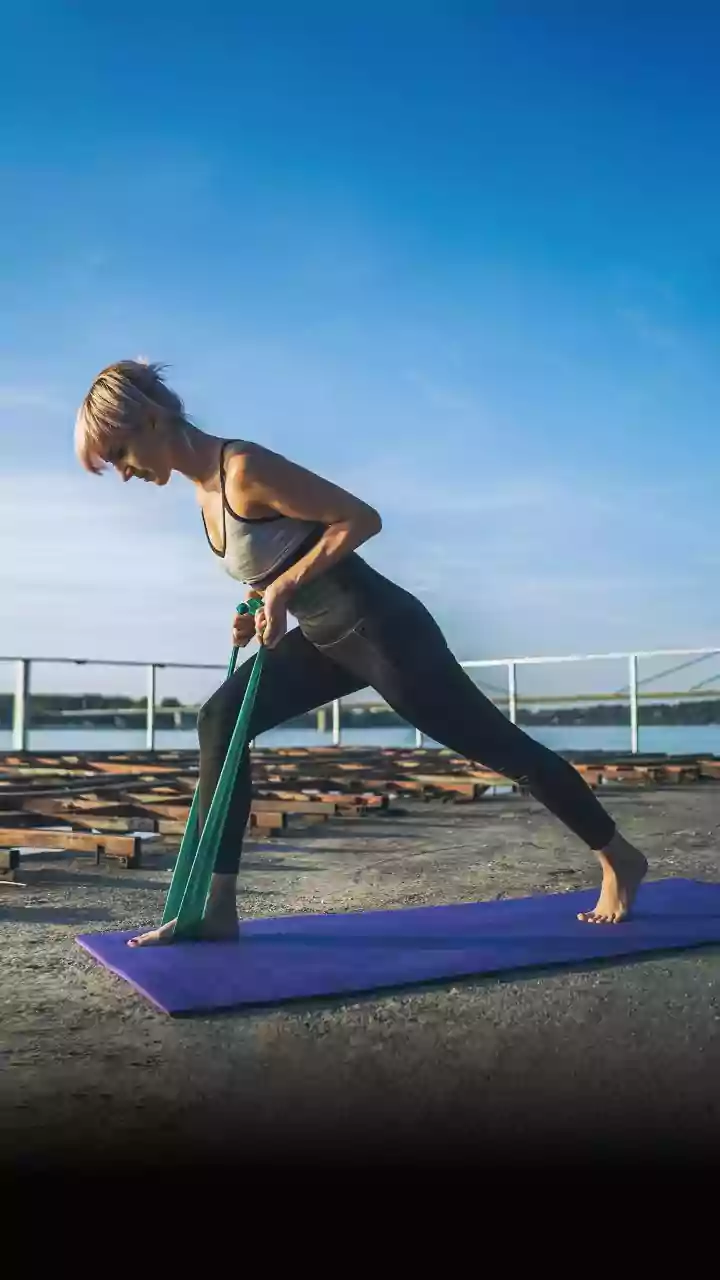
Many beginners fear that strength training will hurt their joints, but the opposite is true when done correctly. Building muscle provides crucial support for your joints, acting as a shock absorber and improving stability. You don't need to lift heavy weights; you can start with bodyweight exercises (like wall sits or modified push–ups), resistance bands, or light dumbbells. Focus on controlled movements and aim for 2–3 sessions a week, allowing for rest days in between.
The Key to Sustainability: Listen To Your Body
The most important part of a sustainable routine is paying attention to your body's signals. It's normal to feel mild muscle soreness a day or two after a new workout, but sharp pain is a sign to stop and rest. Don't push through significant pain. Instead, modify the exercise or try something different. Consistency is far more important than intensity, especially when you're starting out.