




The Rise of the ‘Gentle’ Workout
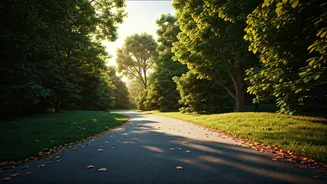
For years, the fitness world preached a doctrine of intensity: high-intensity interval training (HIIT), punishing boot camps, and the “no pain, no gain” ethos. But a quiet rebellion is underway. Enter the short walk—a 10- to 20-minute stroll, taken once
or multiple times a day. Sometimes called a “walking snack” or part of the “soft walking” movement, this trend reframes exercise not as a chore to be conquered but as a moment of gentle, restorative movement. It’s a direct response to a culture saturated with pressure to optimize everything, including our bodies. Instead of demanding a total lifestyle overhaul, the short walk meets you where you are—whether that’s on a lunch break, between Zoom calls, or winding down after dinner.
More Than Just Steps
While hitting a 10,000-step goal is a great aim, the science behind short walks focuses on frequency and timing. A brief walk after a meal, for example, has been shown to be remarkably effective at regulating blood sugar levels, preventing the post-meal slump and reducing the risk of type 2 diabetes. The benefits aren't just metabolic. These mini-breaks are a powerful tool for mental health. Stepping away from your desk and into fresh air helps clear your head, reduce stress hormones like cortisol, and can even spark creativity. Neurologically, walking allows for a state of “soft fascination,” where your mind can wander, make new connections, and problem-solve without the pressure of focused attention. It’s a low-impact activity, making it accessible for people of all fitness levels and easy on the joints.
A Backlash to Burnout Culture
So why is this simple pleasure becoming a full-blown trend now? The short walk is a perfect symbol of broader cultural shifts. In a post-pandemic world, many Americans are reassessing their relationship with work, productivity, and well-being. The glorification of “the hustle” is giving way to concepts like “soft living” and finding joy in simple, sustainable practices. The short walk is the physical embodiment of this mindset. It requires no special clothes, no subscription, and no pre-booking. It’s an act of reclaiming time for yourself in a world that constantly demands your attention. It’s a small, achievable promise you can keep to yourself every day, building a foundation of self-care that feels nourishing, not punishing.
How to Start Your Walking Habit
Integrating short walks into your day is beautifully simple. The key is to lower the barrier to entry as much as possible. Don't worry about pace or distance at first. Just get out the door.
**Attach it to an existing routine:** The easiest way to build the habit is to link it to something you already do. Try a 10-minute walk immediately after finishing lunch, right after your last work meeting, or as soon as you get home.
**Focus on feeling, not metrics:** Instead of tracking every step, pay attention to how you feel. Do you feel calmer? More focused? Less bloated after eating? Let those intrinsic rewards be your motivation.
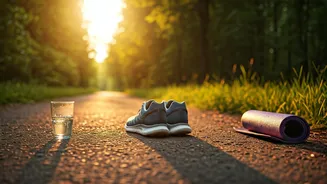
**Go gear-free:** You don’t need special shoes or athletic wear for a 15-minute stroll around the block. The goal is to make it so easy that you have no excuse not to go.
**Try a “purposeful” walk:** If you need a destination, walk to a coffee shop, mail a letter, or just circle the block to listen to one or two of your favorite songs. Having a micro-goal can help you get moving.