



A Year of Unprecedented Success
When Anil Kumble took over as head coach in June 2016, it seemed like a masterstroke. A cricketing legend and one of the sharpest minds in the game was now mentoring a team led by the fiercely ambitious Virat Kohli. The results were immediate and impressive.
In the 2016-17 home season, India was nearly invincible, winning 10 of 13 Test matches against New Zealand, England, Bangladesh, and Australia. The team secured the No. 1 Test ranking and played a brand of aggressive, dominant cricket. Kumble's one-year contract culminated in the 2017 Champions Trophy, where India reached the final. On paper, the Kohli-Kumble duo was one of the most successful in modern Indian cricket, making the subsequent fallout all the more stunning.
An 'Untenable' Partnership
The first public sign of trouble came when the BCCI advertised for a new head coach just before the Champions Trophy, despite Kumble’s stellar record. While initially framed as a procedural step, reports of a rift between captain and coach began to surface. Though Kohli publicly denied any issues at the time, the situation unravelled swiftly after the tournament. Kumble did not travel with the team for the subsequent tour of the West Indies, and on June 20, 2017, he resigned. His public statement was explosive, confirming that his partnership with the captain had become 'untenable'. He revealed that the BCCI had informed him that Kohli had "reservations with my 'style'" and about him continuing as coach. This, Kumble wrote, surprised him, but he felt it was best to move on.
The Clash of Styles
At the heart of the conflict was a fundamental difference in philosophies. Kumble, a hardened veteran from a different era, was known for his disciplined, meticulous, and taskmaster approach. He viewed his role as holding a mirror to the team to drive improvement. However, reports from the time suggested that some players, including the captain, found his methods 'overbearing'. According to former CoA chief Vinod Rai, Kohli had conveyed that junior players felt 'intimidated' by Kumble's strict disciplinarian attitude. The dressing room atmosphere under Kumble was reportedly intense, a stark contrast to the more relaxed environment that Kohli and the younger generation of players preferred. It was a classic clash between a coach who demanded rigorous structure and a captain who championed player freedom.
The Role of the Administration
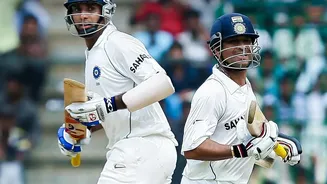
The BCCI and its Cricket Advisory Committee (CAC), comprising legends Sachin Tendulkar, Sourav Ganguly, and VVS Laxman, attempted to broker a peace deal. The CAC had unanimously endorsed an extension for Kumble and was the same body that had appointed him a year prior. However, their efforts to resolve the differences between the two powerful personalities failed. Sources indicated that Kohli was unwilling to compromise, making Kumble's position effectively untenable. The board, caught between a legendary former player and a superstar captain at the peak of his powers, ultimately sided with the captain. Kumble's resignation tweet made it clear that despite the BCCI's attempts at a resolution, the breakdown was complete.