

Understanding Pure Silver Vark
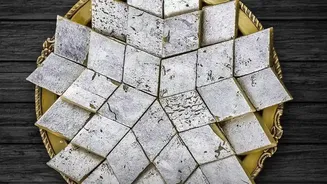
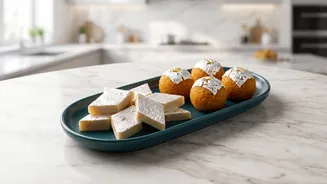
Edible silver leaf, known as 'chandi ka vark', is a traditional decoration used on Indian sweets and other delicacies for centuries. It adds a touch of opulence and festivity. According to the Food Safety and Standards Authority of India (FSSAI), for this
leaf to be 'food grade', it must meet strict criteria. The regulations mandate that it must be made from silver of at least 999/1000 purity. This means it's almost entirely pure silver, which is biologically inert; it passes through the body without being absorbed and poses no harm. FSSAI standards also prohibit the use of any animal-derived materials in its production, a response to the traditional but unhygienic method of beating silver between layers of ox gut. Compliant, machine-made vark is now available and is considered 100% vegetarian.
The Danger of Aluminium Adulteration
The primary concern with fake vark is the substitution of silver with aluminium. Aluminium foil is significantly cheaper, but it is not meant for consumption and can pose health risks. Unlike pure silver, aluminium is not inert. Health experts warn that ingesting industrial aluminium can lead to its accumulation in body tissues, particularly the brain, kidneys, and liver, over time. While accidentally swallowing a tiny piece of chocolate wrapper is unlikely to cause immediate harm, the regular consumption of aluminium-coated sweets during festive seasons is a more serious concern. This adulteration not only cheats the consumer but also introduces a toxic heavy metal into a food item, turning a festive treat into a potential long-term health hazard.
Simple Tests to Check for Purity
You don’t need a lab to spot a fake. There are several simple tests you can perform at the sweet shop or at home to check for adulteration. First is the rub test: Gently remove a piece of the vark from the sweet and rub it between your fingers or on your palm. Pure, ultra-thin silver leaf is so delicate it will disintegrate and virtually disappear into your skin. If the foil turns into a small, greasy grey or black ball, it's a clear sign of aluminium. Second, try the flame test. Carefully take a piece of the vark and hold it to a flame. Pure silver will melt and form a shiny, bright ball or droplet. Aluminium, however, will burn away completely, leaving behind a greyish-black ash. If there's a foul smell like burning hair, it may indicate the vark was made using the banned animal intestine method.
Tips for Buying Sweets with Confidence
Being a vigilant consumer is your best defence. Always buy your festive sweets from reputable, well-known vendors. Check if the shop has an FSSAI license number displayed, as this indicates they are registered with the food safety authority. Observe the appearance of the vark itself. Genuine silver vark has a soft, subtle sheen and is incredibly thin, almost melting onto the surface of the sweet. Fake aluminium foil often looks too bright, too thick, and unnaturally shiny. If the coating looks more like a sturdy piece of metal foil rather than a delicate leaf, it is best to be cautious. Don't be tempted by suspiciously cheap sweets, as cutting costs on ingredients like vark is a common practice for some unscrupulous sellers. Prioritising quality over price ensures you and your family can enjoy the festival without worry.