




The Basics: What Are You Signing Up For?
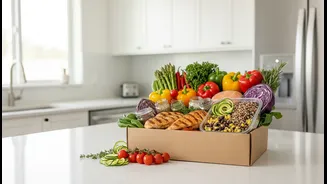
At its core, a healthy meal subscription is a service that delivers pre-prepared meals or ready-to-cook kits on a recurring basis. The market in India is expanding rapidly, with options catering to a wide range of dietary needs. You can find plans for
weight loss, muscle gain, and managing health conditions, as well as specific diets like keto, vegan, low-carb, and gluten-free. Typically, you choose a plan, select your meals from a weekly or monthly menu, and set a delivery schedule. Some services provide fully cooked meals that only need reheating, while others, known as meal kits, provide pre-portioned ingredients and a recipe card for you to cook yourself. The primary appeal is convenience and the removal of daily meal planning and grocery shopping.
The Practical Impact: More Time, Less Waste
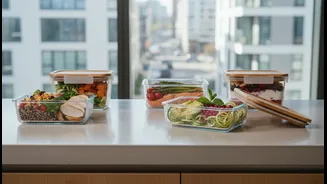
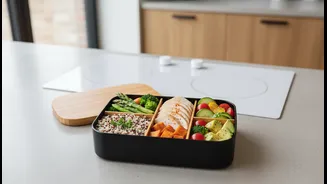
For many, the biggest benefit is reclaiming time. The hours spent planning menus, shopping for ingredients, cooking, and cleaning up are significantly reduced. This convenience can lower stress and free up time for work, family, or fitness. Another major advantage is portion control. Meals arrive pre-portioned, which can be an invaluable tool for anyone looking to manage their weight or simply eat more mindfully. These services also help reduce food waste. Since you receive only what you need for each meal, you're less likely to have produce wilting in your fridge. For those looking to stick to a specific health goal, the structure of a meal plan makes it easier to stay on track and avoid impulse orders from food aggregators.
The Reality Check: Cost, Packaging, and Taste Fatigue
While convenient, these services come at a price. On a per-meal basis, subscriptions are almost always more expensive than buying groceries and cooking at home. Costs can vary widely, so it's essential to weigh the price against the convenience. Another common concern is the environmental impact of packaging. Each meal often comes with a significant amount of cardboard and plastic. However, some studies suggest that the reduction in food waste and more efficient supply chains might mean meal kits have a smaller overall carbon footprint than traditional grocery shopping. Many companies are also moving towards more recyclable and sustainable packaging materials. Finally, there's the risk of 'taste fatigue'. Eating from a set menu, even with weekly variations, can become monotonous for some, especially when compared to the variety of home cooking or dining out.
The Health Factor: Are They Genuinely Nutritious?
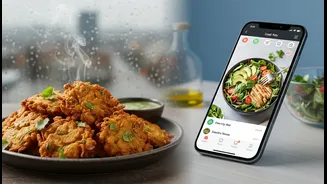
The word "healthy" is the main selling point, but it requires scrutiny. Many services do a great job of providing balanced meals rich in vegetables and lean protein. However, it's crucial to look beyond the marketing. Some prepared meals can be high in sodium or contain hidden sugars. Reputable services provide detailed nutritional information for each meal, allowing you to make informed choices. A truly healthy service is transparent about its ingredients and sourcing. The quality of meals can be excellent, but it's not a universal guarantee. The best approach is to treat these services as a tool, not a magic bullet. They can introduce you to new healthy recipes and help you understand portion sizes, skills you can then apply to your own cooking.
Questions to Ask Before You Subscribe
Before committing, it’s wise to do some homework. First, look for a free or discounted trial period to test the food and service. Can you easily customize meals to your preferences or allergies? Understand the delivery logistics: What are the delivery days and time slots, and are they flexible? Check the cancellation policy – how easy is it to pause or stop your subscription? Read reviews from other customers in your area, as service quality can be location-dependent. Finally, assess the menu variety. Does it offer enough options to keep you interested long-term, or does it seem repetitive? Taking the time to answer these questions will help ensure the service you choose is a good fit for your lifestyle and goals.